

Reading Time: 8 minutes
Gallbladder Stone Treatment in Children
Introduction
Gallbladder stones, also known as gallstones, are relatively uncommon in children compared to adults, but their incidence has been increasing in recent years.
Modern lifestyle changes, childhood obesity, unhealthy eating habits, genetic disorders, and certain blood diseases have contributed to a growing number of pediatric gallbladder stone cases worldwide.
Parents often assume gallstones occur only in older adults, but children and teenagers can also develop painful gallbladder conditions that may require medical attention or surgery.
The gallbladder is a small organ located below the liver. Its primary function is to store bile, which helps digest fats. When substances in bile become imbalanced, solid particles can form and gradually turn into stones. Some children may have no symptoms, while others may experience severe abdominal pain, vomiting, jaundice, or digestive issues.
Early diagnosis and proper gallbladder stone treatment in children are important to prevent complications such as gallbladder infection, pancreatitis, or bile duct obstruction. Fortunately, modern pediatric gastroenterology and minimally invasive laparoscopic surgery have made treatment safer and highly effective.
This detailed guide explains everything parents should know about gallbladder stones in children, including causes, symptoms, diagnosis, treatment options, dietary management, prevention, complications, recovery, and long-term care.
What Are Gallbladder Stones in Children?
Gallstones are hardened deposits that form inside the gallbladder. These stones may vary in size from tiny grains to large stones.
Types of Gallstones
Cholesterol Stones
These are formed due to excess cholesterol in bile. They are more common in obese children and adolescents.
Pigment Stones
These stones develop from excess bilirubin and are commonly seen in children with blood disorders such as sickle cell anemia or thalassemia.
Mixed Stones
These contain cholesterol, calcium salts, and bile pigments.
Causes of Gallbladder Stones in Children
Several medical and lifestyle factors can contribute to gallstone formation in children.
Childhood Obesity
Obesity is one of the leading causes of pediatric gallstones. Excess body fat alters cholesterol metabolism and increases cholesterol levels in bile.
Genetic Factors
A family history of gallstones significantly increases the risk.
Hemolytic Blood Disorders
Conditions such as:
- Sickle cell disease
- Thalassemia
- Hereditary spherocytosis
increase bilirubin breakdown and promote pigment stone formation.
Rapid Weight Loss
Sudden dieting or rapid weight reduction can disturb bile balance.
Liver Diseases
Certain liver disorders affect bile production and increase stone formation risk.
Long-Term Total Parenteral Nutrition (TPN)
Children receiving intravenous nutrition for prolonged periods may develop gallstones.
Certain Medications
Some medicines may increase cholesterol levels in bile or impair gallbladder emptying.
Hormonal Factors
Hormonal changes during adolescence can contribute to stone formation.
Risk Factors for Gallbladder Stones in Children
Obesity and Sedentary Lifestyle
Children with poor physical activity and excessive junk food intake are at higher risk.
Family History
Gallstones often run in families.
Female Gender
Teenage girls may develop gallstones more frequently due to hormonal influences.
Diabetes and Metabolic Syndrome
Metabolic disorders can increase bile cholesterol levels.
Chronic Intestinal Diseases
Diseases affecting nutrient absorption may alter bile composition.
Prolonged Fasting
Skipping meals regularly may impair gallbladder contractions.
Symptoms of Gallbladder Stones in Children
Some children remain asymptomatic, while others develop severe symptoms.
Abdominal Pain
Pain is usually located in:
- Right upper abdomen
- Middle upper abdomen
- Sometimes radiating to the back or shoulder
Pain may worsen after fatty meals.
Nausea and Vomiting
Digestive disturbances commonly accompany gallbladder attacks.
Fever
Fever may indicate gallbladder infection.
Jaundice
Yellow discoloration of eyes and skin can occur if stones block the bile duct.
Indigestion and Bloating
Children may complain of heaviness or gas after meals.
Loss of Appetite
Persistent abdominal discomfort may reduce appetite.
Pancreatitis Symptoms
Gallstones blocking the pancreatic duct may cause:
- Severe abdominal pain
- Persistent vomiting
- Hospitalization
When Should Parents Seek Medical Attention?
Immediate medical consultation is necessary if a child develops:
- Severe abdominal pain
- Persistent vomiting
- Fever with abdominal pain
- Yellow eyes
- Dark urine
- Pale stools
- Sudden worsening abdominal symptoms
Early diagnosis can prevent complications.
Diagnosis of Gallbladder Stones in Children
Medical History and Physical Examination
Doctors evaluate symptoms, diet, family history, obesity, and associated diseases.
Ultrasound Abdomen
Ultrasound is the most common and safest investigation for detecting gallstones in children.
It helps identify:
- Stone size
- Number of stones
- Gallbladder inflammation
- Bile duct obstruction
Blood Tests
Blood investigations may include:
- Liver function tests
- Bilirubin levels
- Pancreatic enzymes
- Complete blood count
MRI or MRCP
Advanced imaging may be required to assess bile ducts.
CT Scan
Sometimes performed if complications are suspected.
Endoscopic Ultrasound
Used in selected complicated cases.
Gallbladder Stone Treatment in Children
Treatment depends on:
- Symptoms
- Stone size
- Presence of complications
- Underlying medical condition
Non-Surgical Treatment for Gallstones in Children
Observation and Monitoring
Children without symptoms may only require periodic follow-up.
Doctors may recommend:
- Dietary modifications
- Weight management
- Ultrasound monitoring
Medicines to Dissolve Stones
Certain medications like ursodeoxycholic acid may help dissolve small cholesterol stones in selected patients.
However:
- Treatment is slow
- Stones may recur
- Not effective for all stone types
Pain Management
Doctors may prescribe medicines to control pain and inflammation during gallbladder attacks.
Surgical Treatment of Gallbladder Stones in Children
Laparoscopic Cholecystectomy
Laparoscopic gallbladder removal is the gold standard treatment for symptomatic gallstones in children.
Advantages of Laparoscopic Surgery
- Small cuts
- Less pain
- Faster recovery
- Minimal scars
- Short hospital stay
- Early return to school
When Is Surgery Needed?
Surgery is usually recommended if the child has:
- Recurrent pain
- Gallbladder infection
- Pancreatitis
- Jaundice
- Large stones
- Bile duct obstruction
Is Gallbladder Removal Safe in Children?
Yes. Children can live normal healthy lives without a gallbladder because bile directly flows from the liver into the intestine.
ERCP for Bile Duct Stones
What Is ERCP?
ERCP (Endoscopic Retrograde Cholangiopancreatography) is an advanced endoscopic procedure used to remove stones from the bile duct.
It may be needed before surgery if stones migrate into the common bile duct.
Diet and Lifestyle Tips for Children with Gallstones
Dietary changes play an important role in symptom control and prevention.
Foods to Eat
High-Fiber Foods
- Fruits
- Vegetables
- Whole grains
- Oats
Healthy Proteins
- Fish
- Lentils
- Lean chicken
- Low-fat dairy
Healthy Fats
- Nuts
- Olive oil
- Seeds in moderation
Foods to Avoid
Fried Foods
- Chips
- Burgers
- Fast food
High-Fat Foods
- Cream
- Butter
- Cheese overload
Sugary Foods
- Soft drinks
- Chocolates
- Bakery products
Processed Foods
- Packaged snacks
- Frozen foods
Lifestyle Recommendations
Maintain Healthy Weight
Gradual weight control is important.
Encourage Physical Activity
At least 60 minutes of daily activity is recommended.
Avoid Crash Diets
Rapid weight loss increases gallstone risk.
Hydration
Adequate water intake supports digestive health.
Complications of Gallbladder Stones in Children
Ignoring gallstones can lead to serious complications.
Acute Cholecystitis
Gallbladder inflammation causing severe pain and fever.
Choledocholithiasis
Stones may enter the bile duct and block bile flow.
Pancreatitis
Gallstones can trigger inflammation of the pancreas.
Gallbladder Infection
Severe infection may require emergency treatment.
Jaundice
Bile duct obstruction can lead to yellow discoloration.
Gallbladder Gangrene or Perforation
Rare but dangerous complications.
Recovery After Gallbladder Surgery in Children
Hospital Stay
Most children are discharged within 1–2 days after laparoscopic surgery.
Pain Recovery
Mild discomfort usually improves within a few days.
Diet After Surgery
Children gradually resume normal eating.
Return to School
Most children return to school within 1–2 weeks.
Long-Term Outcome
The long-term prognosis after surgery is excellent.
Follow-Up Care After Treatment
Regular follow-up is important for:
- Monitoring recovery
- Assessing digestion
- Managing associated diseases
- Preventing obesity recurrence
Children with blood disorders may need specialized follow-up.
Prevention of Gallstones in Children
Although all gallstones cannot be prevented, healthy habits reduce risk.
Encourage Balanced Nutrition
Avoid excessive junk food consumption.
Prevent Childhood Obesity
Healthy weight lowers gallstone risk.
Promote Daily Exercise
Physical activity improves metabolism.
Treat Blood Disorders Properly
Early management reduces pigment stone formation.
Avoid Unnecessary Fasting
Regular meals help proper gallbladder emptying.
Gallbladder Stones in Infants and Toddlers
Gallstones may rarely occur even in infants.
Causes in Infants
- Prematurity
- Severe infections
- Long-term IV nutrition
- Congenital disorders
Many infant gallstones may disappear spontaneously.
Emotional Impact on Children and Families
Children undergoing surgery or repeated abdominal pain may develop anxiety.
Parents should:
- Reassure the child
- Explain treatment calmly
- Follow medical advice
- Maintain healthy family eating habits
Frequently Asked Questions (FAQs)
Can children really develop gallstones?
Yes. Gallstones are increasingly seen in children due to obesity, dietary changes, and blood disorders.
Are gallstones dangerous in children?
They can become dangerous if untreated and may lead to infection, jaundice, or pancreatitis.
Does every child with gallstones need surgery?
No. Asymptomatic stones may only require observation.
Is laparoscopic gallbladder surgery safe in children?
Yes. It is considered safe and effective with rapid recovery.
Can gallstones come back after gallbladder removal?
No gallbladder means stones cannot form there again, although rare bile duct stones may still occur.
What foods should children avoid with gallstones?
Fried foods, junk food, excessive fatty foods, and sugary drinks should be limited.
Can obesity cause gallstones in children?
Yes. Childhood obesity is one of the most important modern risk factors.
How long does recovery take after surgery?
Most children recover within 1–2 weeks.
Gallbladder Stones and Childhood Obesity
Childhood obesity has become a major global health problem. Excess fat alters cholesterol metabolism and increases bile cholesterol saturation, promoting stone formation.
Why Obese Children Develop Gallstones More Frequently
- Increased cholesterol production
- Reduced gallbladder movement
- Insulin resistance
- Fatty liver disease association
Weight management is therefore essential not only for general health but also for gallstone prevention.
Importance of Early Diagnosis
Many parents ignore recurrent abdominal pain assuming it is acidity or indigestion. Delayed diagnosis can increase complications.
Early consultation with a pediatric gastroenterologist or GI surgeon helps:
- Prevent emergencies
- Reduce complications
- Plan minimally invasive treatment
- Improve quality of life
Advanced Treatment Options in Modern Pediatric Gastroenterology
Modern technology has improved pediatric gallstone management significantly.
High-Definition Ultrasound
Provides accurate early diagnosis.
Advanced Laparoscopic Surgery
Allows minimal pain and faster recovery.
Therapeutic Endoscopy
ERCP enables non-surgical bile duct stone removal.
Multidisciplinary Care
Pediatricians, gastroenterologists, surgeons, nutritionists, and anesthetists work together for optimal care.
Conclusion
Gallbladder stones in children are becoming increasingly common due to rising childhood obesity, unhealthy dietary habits, and underlying medical disorders. While some children remain symptom-free, others may develop severe abdominal pain, jaundice, infection, or pancreatitis requiring urgent medical attention.
Timely diagnosis using ultrasound and appropriate treatment can prevent serious complications. Lifestyle changes, healthy eating habits, weight management, and regular follow-up play an important role in prevention and long-term health. For symptomatic gallstones, laparoscopic gallbladder surgery offers a safe, effective, and minimally invasive solution with excellent recovery outcomes.
Parents should never ignore persistent abdominal pain in children. Early consultation with an experienced gastroenterologist or GI surgeon can ensure accurate diagnosis and proper management.
Book Appointment (CTA)
Book Appointment by Call or WhatsApp on +91 88 66 02 05 05
Dr Avinash Tank (MS, MCh, SGPGIMS)
Dwarika Gastro Super-speciality Hospital, Ahmedabad
SEO Title
Gallbladder Stone Treatment in Children: Complete Guide: Symptoms, Causes, Surgery & Recovery Guide
Meta Description (150 Words)
Gallbladder Stone Treatment in Children is becoming increasingly important as childhood obesity, unhealthy diet, and blood disorders contribute to rising pediatric gallstone cases. This comprehensive guide explains causes, symptoms, diagnosis, complications, diet, prevention, and the latest treatment options including laparoscopic gallbladder surgery in children. Learn how abdominal pain, vomiting, jaundice, and digestive problems may indicate gallstones in kids. Understand when surgery is necessary, how recovery occurs, and what foods children should avoid after diagnosis. The article also discusses ERCP, non-surgical management, prevention strategies, and long-term outcomes in pediatric gallbladder stone disease. Written in simple patient-friendly language, this medically accurate article helps parents make informed healthcare decisions for their children. Consult experienced gastro specialists for early diagnosis and advanced minimally invasive treatment to prevent complications and ensure faster recovery and healthy childhood development with expert medical guidance and proper follow-up care.
URL Slug
gallbladder-stone-treatment-in-children
Image ALT Text
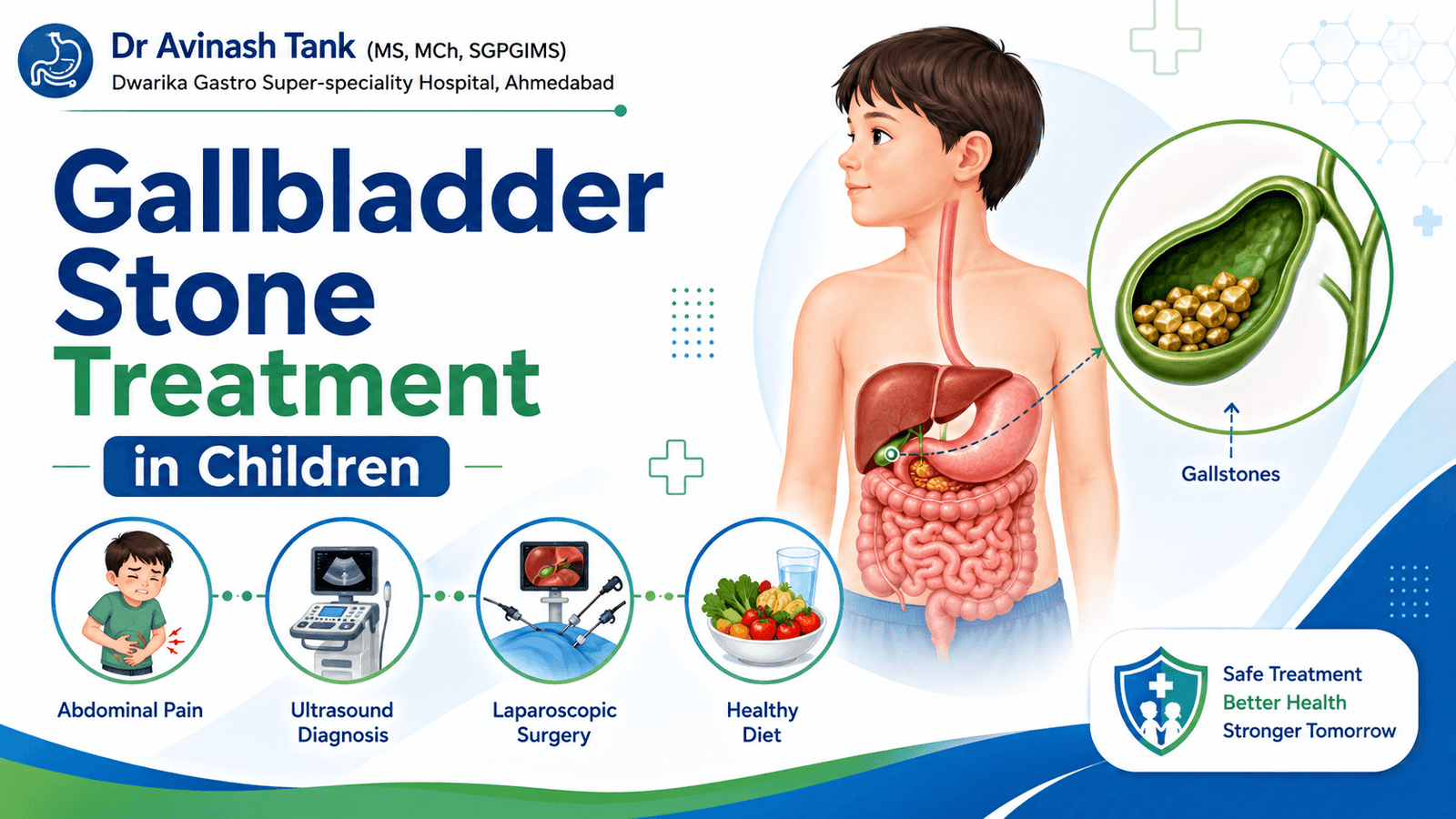
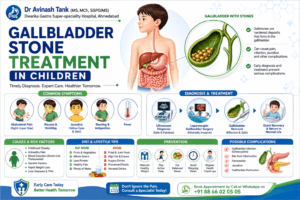
Gallbladder Stone Treatment in Children infographic showing symptoms, diagnosis, laparoscopic surgery, and healthy diet tips
10 Primary Keywords
10 Secondary Keywords
Long-Tail Keywords
FAQ Schema Questions
- What are the symptoms of gallstones in children?
- Can children develop gallbladder stones?
- Is gallbladder surgery safe in children?
- What foods should children avoid with gallstones?
- Can gallstones cause pancreatitis in children?
- How are gallstones diagnosed in children?
- Do all pediatric gallstones require surgery?
- How long does recovery take after laparoscopic gallbladder surgery?
Suggested Internal Linking Topics
- Childhood Obesity and Digestive Disorders
- Fatty Liver Disease in Children
- Abdominal Pain in Children
- Jaundice Causes in Children
- Gallbladder Stone Treatment in Adults
- ERCP Procedure Explained
- Healthy Diet for Children
- Pediatric Liver Disorders
Suggested External Links
- PubMed
- World Health Organization (WHO)
- National Institutes of Health (NIH)
- Mayo Clinic
- Cleveland Clinic
- American College of Gastroenterology (ACG)
- American Society for Gastrointestinal Endoscopy (ASGE)
- Obesity Doctor India