


Rectal cancer affects the last part of the large bowel. Thanks to modern sphincter-preserving surgery, often combined with chemo-radiotherapy, most patients can be cured while keeping normal bowel function and avoiding a permanent stoma.
Malignant tumour of the rectum (last part of the bowel)
Age, polyps, family history, inflammatory bowel disease
Rectal bleeding, change in bowel habit, or a feeling of incomplete emptying
Sphincter-preserving surgery ± chemo-radiotherapy
What is rectal cancer?
Rectal cancer develops in the rectum, the final section of the large bowel just above the anus. Like colon cancer, it usually arises from polyps. Its location close to the anal sphincter makes precise, specialist surgery important to cure the cancer while preserving bowel control.
Symptoms & diagnosis
Typical symptoms are rectal bleeding, a change in bowel habit, a sensation of incomplete emptying, and narrow stools. Because these overlap with piles, any rectal bleeding should be assessed. Diagnosis involves colonoscopy with biopsy, and an MRI of the rectum to plan the precise surgical approach.
Treatment options
Modern treatment is highly effective. Many rectal cancers are treated with chemo-radiotherapy first to shrink the tumour, followed by precise sphincter-preserving surgery (often laparoscopic or robotic) that removes the cancer while keeping normal bowel function. A permanent stoma is now avoidable in the majority of cases.
Avoiding a permanent stoma
With careful staging and sphincter-preserving techniques, most patients keep normal bowel continuity. When a temporary stoma is needed to protect healing, it can usually be reversed later. Expert planning is key to balancing cure with quality of life.
Piles (haemorrhoids) are swollen blood vessels in and around the anal canal tha…
Rectal ProlapseRectal prolapse is the protrusion of the rectum through the anus, causing a vis…
Fissure-in-Ano (Anal Fissure)An anal fissure is a small tear in the lining of the anal canal that causes sha…
How we treat Rectal Cancer
See every procedure Dr. Avinash Tank offers in Ahmedabad and how each one is performed.
View all services →Cashless insurance accepted at our network hospitals, with EMI options available. Every patient gets a written, transparent estimate before any procedure — no surprises.

Dr. Avinash Tank, MBBS · MS (General Surgery) · MCh (Surgical Gastroenterology, SGPGIMS)
SGPGIMS (India's premier GI centre) + advanced training in Japan & South Korea. Super-specialist gastrointestinal, bariatric & cancer surgeon treating Rectal Cancer at Dwarika Hospital — Gastro, Bariatric & Laparoscopic Surgery Center.
Proof, not promises
 DWARIKA HOSPITALPatient Education

More on Rectal Cancer
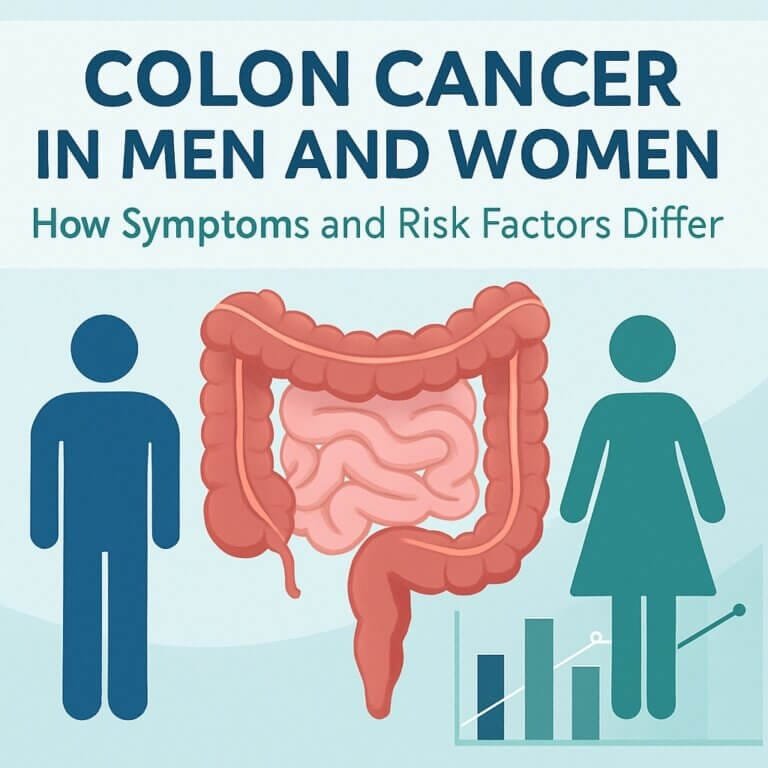 CancerColon Cancer in Men and Women: How Symptoms and Risk Factors Differ
 GastroMucus Discharge After Stoma Surgery: Normal or Concerning?
Frequently asked questions
Most patients avoid a permanent stoma thanks to sphincter-preserving surgery. When a temporary stoma is used to protect healing, it can usually be reversed.
Both can cause rectal bleeding, but rectal cancer is a tumour that needs urgent assessment. This is why bleeding should never simply be assumed to be piles.
A rectal MRI shows exactly how far the tumour extends, allowing precise planning of chemo-radiotherapy and sphincter-preserving surgery.
Yes. With modern combined treatment, rectal cancer has a high cure rate, especially when detected early.
Super-specialist GI, bariatric & cancer surgeon. SGPGIMS (India's premier GI centre) + advanced training in Japan & South Korea. Read full profile →
Last reviewed: July 2026