Heavy bleeding, fever, discharge, or a lump (suggests other causes)
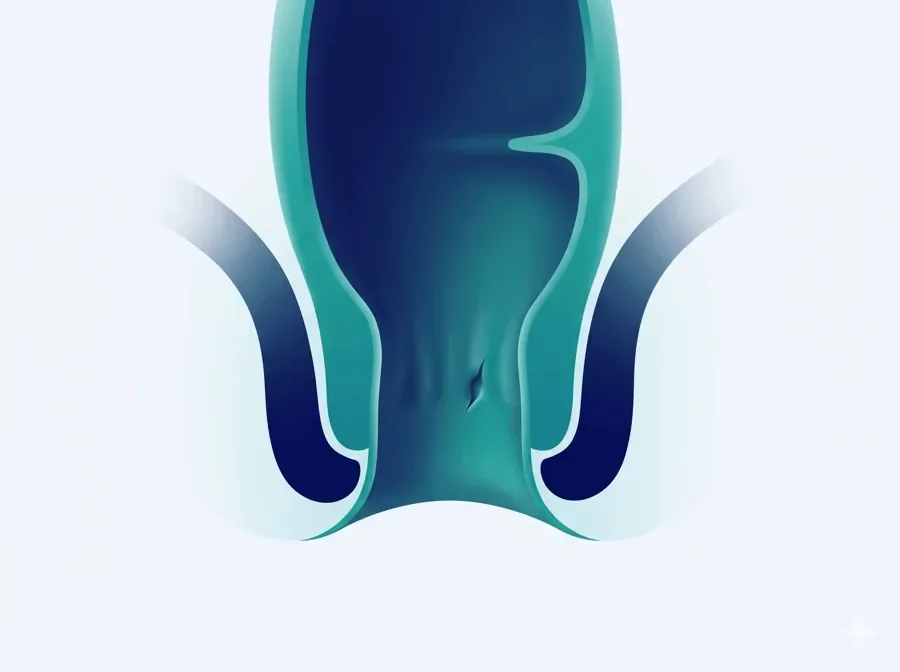
An anal fissure is a small tear in the lining of the anal canal that causes sharp, knife-like pain and a little bright-red bleeding during and after bowel movements. Most fissures heal with treatment; chronic fissures are cured with a quick, minor procedure.
A small tear in the lining of the anal canal
Common at all ages; linked to hard stools and constipation
Pain lasting weeks, recurring fissures, or one that won't heal
Heavy bleeding, fever, discharge, or a lump (suggests other causes)
What is an anal fissure?
An anal fissure is a small split in the sensitive lining of the anal canal. It is one of the most common causes of severe pain on passing stool. Acute fissures are recent tears; chronic fissures have lasted several weeks and often have a tight, spasming sphincter that prevents healing.
Symptoms & causes
The hallmark is a sharp, tearing pain during a bowel movement that can linger for minutes to hours afterwards, sometimes with a streak of bright-red blood. The usual cause is the passage of a hard or large stool, with ongoing spasm of the anal muscle keeping the tear open.
Diagnosis
A fissure is diagnosed by a gentle examination. Because pain can be significant, examination is done carefully. Persistent, multiple or unusually sited fissures may prompt further assessment to exclude other conditions.
Treatment options
Most acute fissures heal with a high-fibre diet, fluids, sitz baths and healing ointments that relax the sphincter. Chronic fissures that do not heal are cured with a quick procedure (such as lateral sphincterotomy or modern alternatives) that relieves the spasm and allows healing.
Piles (haemorrhoids) are swollen blood vessels in and around the anal canal tha…
Fistula-in-Ano (Anal Fistula)An anal fistula is an abnormal tunnel connecting the inside of the anal canal t…
ColonoscopyColonoscopy is an endoscopic examination of the large intestine using a thin fl…
How we treat Fissure-in-Ano (Anal Fissure)
See every procedure Dr. Avinash Tank offers in Ahmedabad and how each one is performed.
View all services →Cashless insurance accepted at our network hospitals, with EMI options available. Every patient gets a written, transparent estimate before any procedure — no surprises.
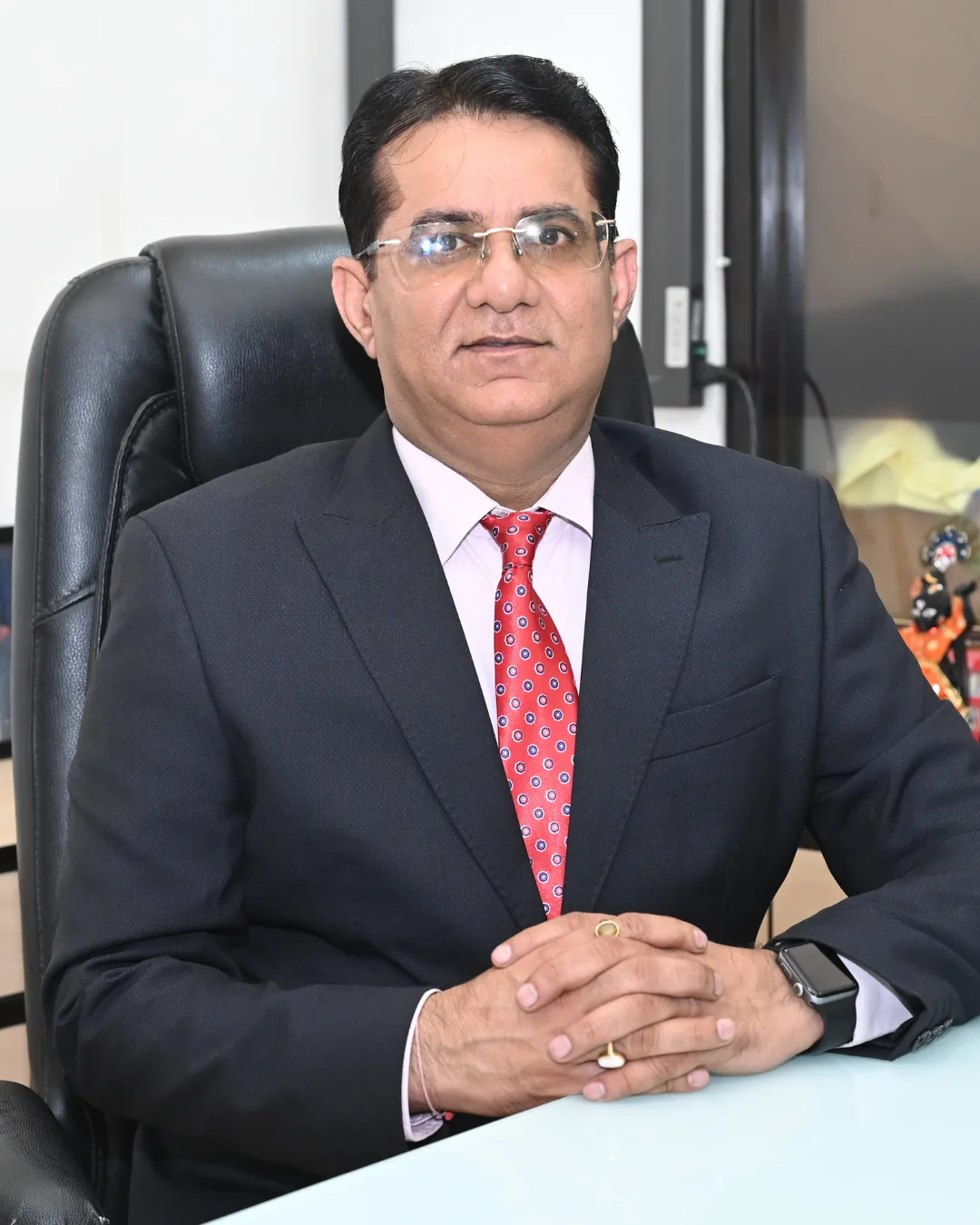
Dr. Avinash Tank, MBBS · MS (General Surgery) · MCh (Surgical Gastroenterology, SGPGIMS)
SGPGIMS (India's premier GI centre) + advanced training in Japan & South Korea. Super-specialist gastrointestinal, bariatric & cancer surgeon treating Fissure-in-Ano (Anal Fissure) at Dwarika Hospital — Gastro, Bariatric & Laparoscopic Surgery Center.
Proof, not promises
 DWARIKA HOSPITALPatient Education

More on Fissure-in-Ano (Anal Fissure)
 Health TipsGujarat Bans Analogue Paneer, Cheese and Butter: What Consumers Need to Know About “Fake Paneer” and Its Health Risks
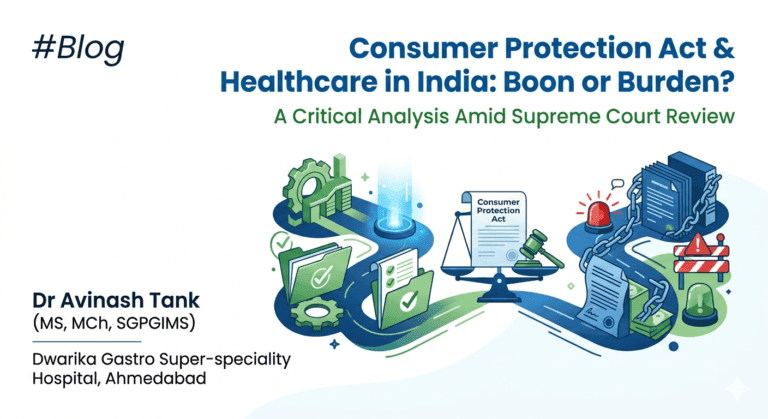 LegalConsumer Protection Act & Healthcare in India
UncategorizedReal vs. Fake Paneer (Analogous Paneer): How to Identify and Health Risks
LegalConsumer Protection Act & Healthcare in India
UncategorizedReal vs. Fake Paneer (Analogous Paneer): How to Identify and Health Risks
Frequently asked questions
The anal lining is very sensitive, and the tear triggers spasm of the anal muscle, which causes sharp pain and prevents healing.
Many acute fissures heal with diet, fluids and ointments. A fissure that persists beyond a few weeks usually needs a minor procedure to cure it.
The procedure is quick and well-tolerated, with rapid pain relief and a very high cure rate in experienced hands.
Keeping stools soft with fibre, fluids and good toilet habits is the most effective way to prevent recurrence.
Super-specialist GI, bariatric & cancer surgeon. SGPGIMS (India's premier GI centre) + advanced training in Japan & South Korea. Read full profile →
Last reviewed: July 2026