


2
minutes
A Bond That Carries Risks: Exploring the Surprising Connection Between Dog Enthusiasts and the Threat of Liver Hydatid Disease”
Introduction:
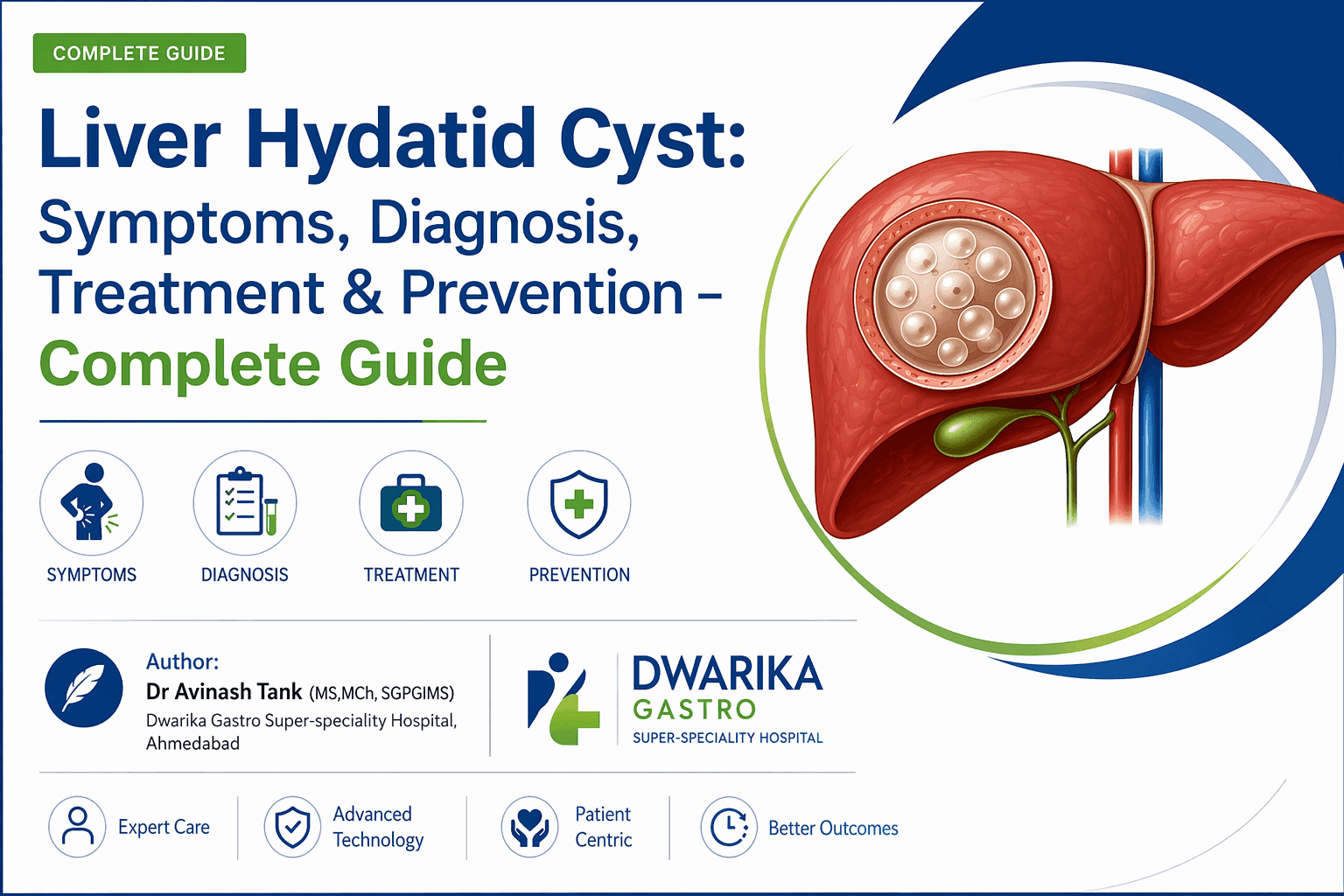
Liver hydatid cyst, caused by the tapeworm Echinococcus granulosus, is a concerning health issue that can lead to serious complications if left untreated.
These cysts can develop within the liver and pose a significant threat to human health. Fortunately, there are steps that can be taken to prevent the infection.
In this article, we will explore the causes of liver hydatid cysts and provide actionable prevention measures to safeguard against this infection.
Understanding the Causes:
Liver hydatid cysts develop when the eggs of the Echinococcus granulosus tapeworm are ingested, typically through contact with contaminated food, water, or surfaces.
Once inside the body, these eggs hatch into larvae, which then form cysts primarily within the liver.
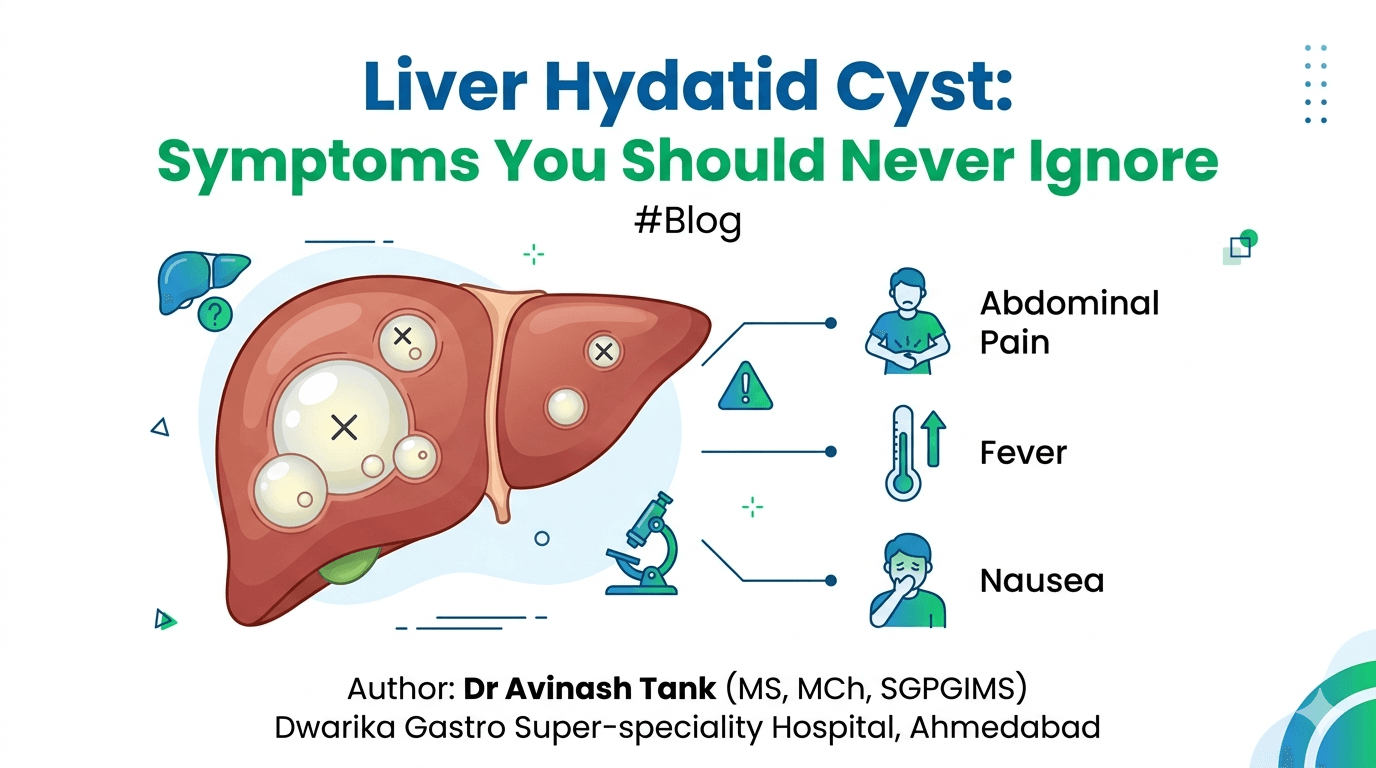
In some cases, these cysts can grow quite large, causing pain, discomfort, and potential complications.
Prevention Measures:
- Practice Good Hygiene: Basic hygiene practices play a crucial role in preventing the infection. Regularly washing your hands with soap and water, especially before eating, after using the restroom, or after handling animals, can significantly reduce the risk of ingesting tapeworm eggs.
- Cook Food Thoroughly: Properly cooking food can kill any potential tapeworm eggs or larvae. Make sure to cook meat to a safe temperature, as high heat is effective at destroying these parasites. Avoid consuming raw or undercooked meats, particularly from livestock that might be infected.
- Avoid Contact with Stray Animals: Stray dogs, foxes, and other animals can carry the Echinococcus granulosus tapeworm. Avoid direct contact with these animals and be cautious in areas where they are prevalent. If you do come into contact with animals, wash your hands thoroughly afterward.
- Provide Regular Deworming for Pets: If you have pets, ensure they receive regular deworming treatments prescribed by a veterinarian. Pets can act as carriers of the tapeworm and may inadvertently transmit it to humans.
- Drink Safe Water: Ensure that the water you consume is clean and safe. Boiling water or using filtration systems can help eliminate any potential contamination.
- Practice Good Animal Husbandry: If you are involved in animal husbandry or agriculture, maintain good hygiene practices within your livestock or farming environment. Proper sanitation can prevent the spread of the tapeworm eggs.
- Educational Initiatives: Educate yourself and your community about the risks associated with liver hydatid cysts. Promote awareness about the sources of infection and the importance of prevention measures.
Conclusion:
Liver hydatid cyst is a serious health concern that can lead to significant medical issues if not addressed promptly.
Preventing the infection requires a combination of practicing good hygiene, consuming properly cooked food, and avoiding contact with potentially infected animals.
By implementing these preventive measures, individuals can significantly reduce their risk of contracting liver hydatid cysts and safeguard their overall health.
Remember, taking proactive steps toward prevention is key to maintaining a healthy and happy life.

Super-specialist GI, bariatric & cancer surgeon. SGPGIMS (India's premier GI centre) + advanced training in Japan & South Korea. Read full profile →
Last reviewed: June 2026
Comments
Be the first to share your thoughts on this article.