

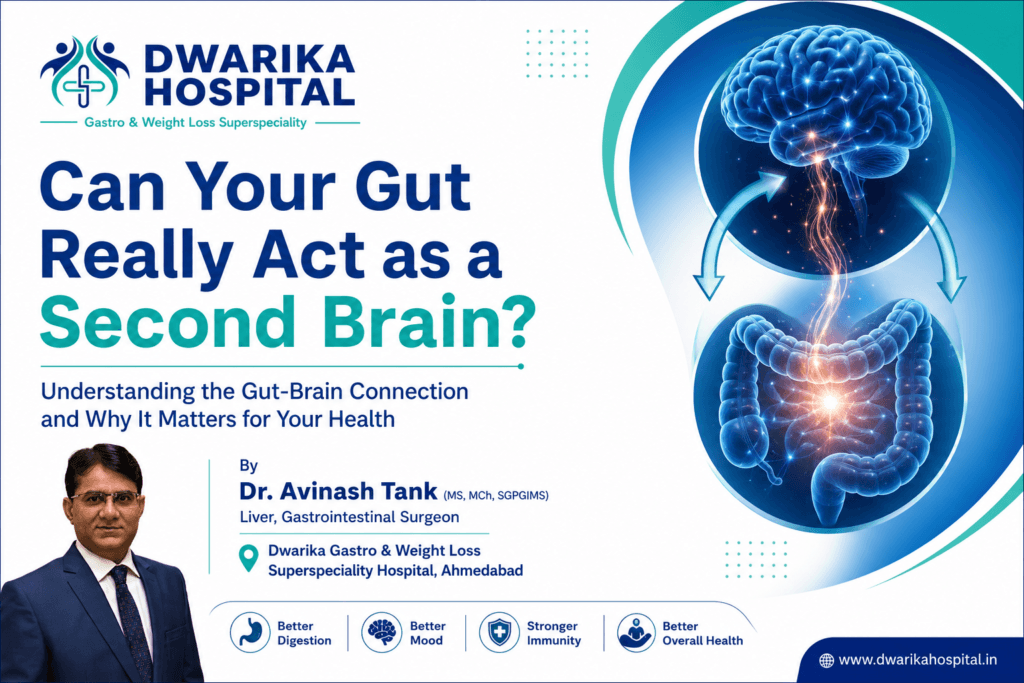
Can Your Gut Really Act as a Second Brain? the Gut-Brain Connection and Why It Matters for Your Health
Short Answer
Yes.
Although your gut cannot think, reason or make decisions like your brain, it constantly communicates with your brain through nerves, hormones, immune cells and trillions of beneficial bacteria living inside your intestines.
This two-way communication is called the gut-brain axis.
Scientists now know that the health of your digestive system influences much more than digestion. It can affect your mood, sleep, appetite, stress levels, immunity, weight, and even the risk of several chronic diseases.
A healthy gut often supports a healthier mind, while an unhealthy gut may contribute to digestive problems, anxiety, depression, obesity and metabolic disorders.
Why Is the Gut Called the Second Brain?
Your digestive system contains an extensive network of nerves called the Enteric Nervous System (ENS).
It contains nearly 500 million nerve cells, making it one of the largest nervous systems outside the brain.
These nerves control:
- Digestion
- Movement of food
- Blood flow
- Enzyme secretion
- Nutrient absorption
Interestingly, many digestive functions continue even without direct instructions from the brain.
This is why researchers often call the gut the “second brain.”
However, this name is symbolic.
The gut does not replace the brain—it works together with it.
How Do the Gut and Brain Communicate?
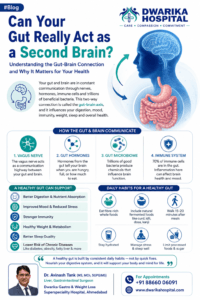
The communication occurs through four major pathways.
1. The Vagus Nerve
The vagus nerve is the body’s communication highway.
It carries signals continuously between your digestive system and your brain.
When your stomach stretches after eating or your intestines detect nutrients, messages travel through this nerve.
Similarly, emotional stress originating in the brain affects bowel movements through the same pathway.
2. Gut Hormones
Your digestive system produces numerous hormones.
These hormones tell your brain:
- When you are hungry
- When you are full
- How much food to eat
- When digestion should slow down
Examples include:
- Ghrelin
- GLP-1
- Peptide YY
- Cholecystokinin
These hormones play a major role in obesity and diabetes.
3. Gut Microbiome
Your intestines contain approximately 100 trillion microorganisms.
These bacteria help:
- Digest fibre
- Produce vitamins
- Strengthen immunity
- Produce beneficial chemicals
Healthy bacteria also manufacture compounds that influence the brain.
When the microbiome becomes unhealthy, communication between the gut and brain becomes disturbed.
4. The Immune System
Nearly 70% of the body’s immune cells are located around the digestive tract.
Inflammation inside the gut releases chemical messengers that influence brain function.
Chronic inflammation has been linked with depression, obesity, diabetes and several gastrointestinal disorders.
Can Gut Health Affect Mood?
Yes.
Many people notice digestive symptoms becoming worse during stressful periods.
Examples include:
- Before examinations
- Before public speaking
- During family conflicts
- During work pressure
Similarly, chronic digestive diseases often increase anxiety.
The relationship works in both directions.
Stress affects digestion.
Poor digestion increases stress.
This creates a vicious cycle.
Does the Gut Produce Happiness Chemicals?
Many people have heard that 90–95% of serotonin is produced in the gut.
This statement is partially true.
Most serotonin is indeed produced in the digestive tract.
However, gut serotonin mainly helps regulate:
- Intestinal movement
- Digestion
- Blood vessels
It is different from serotonin acting inside the brain.
Nevertheless, gut microbes influence brain chemistry through several indirect pathways, and ongoing research suggests that maintaining a healthy microbiome may positively affect mental well-being.
What Happens When Gut Health Becomes Poor?
An unhealthy gut microbiome may contribute to:
- Bloating
- Constipation
- Diarrhoea
- Acidity
- Irritable bowel syndrome (IBS)
- Obesity
- Fatty liver
- Diabetes
- Increased inflammation
Research is also exploring links between gut health and neurological disorders, although many of these relationships are still being investigated.
Is Stress Bad for the Gut?
Absolutely.
Stress can:
- Increase stomach acid
- Slow digestion
- Cause abdominal pain
- Produce bloating
- Trigger loose motions
- Worsen constipation
- Disturb gut bacteria
Long-term stress may also increase unhealthy eating habits, creating further digestive problems.
Managing stress is therefore an important part of digestive health.
Can Food Change Gut Bacteria?
Yes.
Your diet is one of the strongest influences on your microbiome.
Healthy foods encourage beneficial bacteria.
Highly processed foods encourage harmful bacteria.
Good dietary choices include:
- Fruits
- Vegetables
- Whole grains
- Lentils
- Beans
- Nuts
- Seeds
These foods contain fibre that nourishes healthy gut bacteria.
Are Fermented Foods Helpful?
Traditional Indian diets naturally include fermented foods.
Examples include:
- Curd
- Buttermilk
- Idli
- Dosa
- Dhokla
- Kanji
These foods may help maintain microbial diversity.
Not everyone requires probiotic supplements.
For most healthy people, a balanced diet containing natural fermented foods is sufficient.
Patients with severe illness or immune suppression should seek medical advice before taking probiotic supplements.
Why Is Fibre So Important?
Fibre is the favourite food of beneficial gut bacteria.
When bacteria digest fibre, they produce short-chain fatty acids, which help:
- Reduce inflammation
- Maintain the intestinal lining
- Improve bowel movements
- Support immunity
Unfortunately, many modern diets contain far less fibre than recommended.
Adults should aim for approximately 25–35 grams of fibre daily, increasing intake gradually while drinking adequate water.
Does Walking Improve Digestion?
Yes.
One of the simplest habits for better digestive health is walking after meals.
Even a 15–20 minute walk can:
- Improve bowel movement
- Reduce bloating
- Help blood sugar control
- Improve metabolism
- Reduce acid reflux in some individuals
Walking also reduces stress, indirectly improving gut health.
Lifestyle Habits That Keep Your Gut Healthy
Simple daily habits make a remarkable difference.
These include:
Eat regular meals
Avoid constantly skipping meals or eating very late at night.
Stay hydrated
Water helps digestion and prevents constipation.
Sleep well
Poor sleep changes gut bacteria and appetite hormones.
Exercise regularly
Physical activity improves bowel movement and microbial diversity.
Limit processed foods
Reduce:
- Sugary drinks
- Ultra-processed snacks
- Excess fast food
Avoid unnecessary antibiotics
Antibiotics save lives when truly needed but can also disturb healthy gut bacteria.
Only take them under medical supervision.
When Should You See a Gastrointestinal Surgeon or Gastroenterologist?
Occasional bloating is common.
However, persistent symptoms deserve evaluation.
Consult a specialist if you have:
- Persistent abdominal pain
- Blood in stools
- Unexplained weight loss
- Difficulty swallowing
- Persistent vomiting
- Severe constipation
- Chronic diarrhoea
- Long-standing acidity
- Family history of gastrointestinal cancer
Early diagnosis often prevents serious complications.
Expert Opinion
The gut truly deserves respect as one of the most remarkable organs in the human body.
It does not think like the brain, but it constantly communicates with it.
Healthy digestion depends on much more than medicines.
Your daily choices—food, sleep, exercise, hydration and stress management—shape your gut microbiome and influence overall health.
There is no single “superfood” or miracle probiotic that guarantees perfect gut health.
Instead, consistency matters far more than perfection.
Small healthy habits practised every day produce the greatest long-term benefits.
Key Takeaways
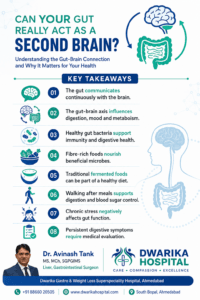
- The gut communicates continuously with the brain.
- The gut-brain axis influences digestion, mood and metabolism.
- Healthy gut bacteria support immunity and digestive health.
- Fibre-rich foods nourish beneficial microbes.
- Traditional fermented foods can be part of a healthy diet.
- Walking after meals supports digestion and blood sugar control.
- Chronic stress negatively affects gut function.
- Persistent digestive symptoms require medical evaluation.
Frequently Asked Questions
Can improving gut health improve mental health?
A healthy lifestyle that supports the gut may also support mental well-being. However, digestive health alone is not a treatment for anxiety or depression. Mental health concerns should be evaluated by qualified healthcare professionals.
Are probiotics necessary for everyone?
No. Most healthy individuals can support their gut microbiome through a balanced diet rich in fibre and fermented foods. Probiotic supplements may be appropriate in selected situations under medical advice.
Is bloating always caused by poor gut bacteria?
No. Bloating can result from dietary habits, food intolerances, constipation, irritable bowel syndrome, infections or other digestive diseases. Persistent or severe bloating should be assessed by a doctor.
Can stress alone cause digestive symptoms?
Stress can worsen or trigger symptoms such as abdominal discomfort, altered bowel habits and indigestion, but persistent symptoms should not automatically be attributed to stress without medical evaluation.
Can children and older adults also benefit from healthy gut habits?
Yes. A balanced diet, adequate hydration, physical activity and good sleep are important for maintaining gut health at every stage of life.
Dr. Avinash Tank’s Clinical Perspective
“A healthy gut is built by consistent daily habits—not by quick fixes. Nourish your digestive system with wholesome food, regular movement, adequate sleep and timely medical care when symptoms persist. Taking care of your gut today is an investment in your overall health for years to come.”
Internal Linking (SEO Structure)
Disease Hub: Gut Health, Acid Reflux (GERD), IBS, Fatty Liver Disease, Constipation, Digestive Health
Service Pages: Gastroscopy (Upper GI Endoscopy), Colonoscopy, GERD Treatment, Bariatric & Metabolic Surgery, Gastroenterology Consultation

Super-specialist GI, bariatric & cancer surgeon. SGPGIMS (India's premier GI centre) + advanced training in Japan & South Korea. Read full profile →
Last reviewed: July 2026




Comments
Be the first to share your thoughts on this article.