

Digestive Disease Knowledge Centre
Understand common digestive, liver and GI conditions in plain language — causes, symptoms, diagnosis and the least-invasive effective treatment, explained by Dr. Avinash Tank.
Conditions
 GERD & Acidity (Acid Reflux)
GERD (gastro-esophageal reflux disease) is the backflow of stomach acid into the food pipe, causing heartburn, regurgitation and chest discomfort. It is treated first with lifestyle changes and medicines, and with laparoscopic anti-reflux surgery when symptoms persist.
Learn more 02 Gallbladder Stones (Gallstones)
Gallbladder stones are hardened deposits in the gallbladder that can cause right-upper-abdomen pain, especially after fatty meals. The definitive treatment is laparoscopic gallbladder removal (cholecystectomy), a safe day-care laparoscopic surgery.
Learn more 03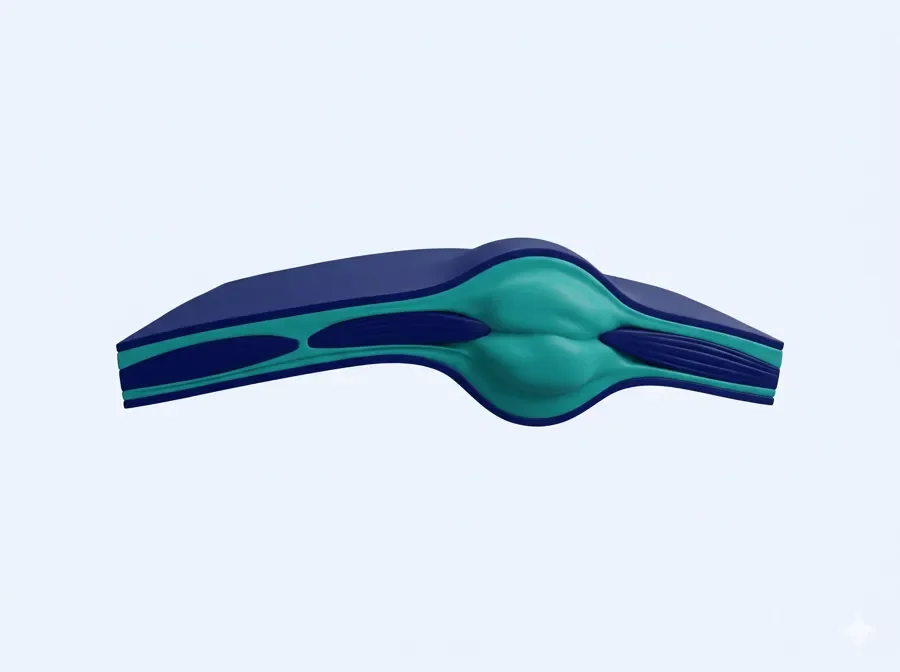 Hernia (Inguinal, Umbilical, Incisional, Hiatus)
A hernia is a bulge that occurs when an organ or tissue pushes through a weak spot in the abdominal wall. Hernias do not heal on their own; the durable treatment is laparoscopic mesh repair, which restores strength with minimal pain and fast recovery.
Learn more 04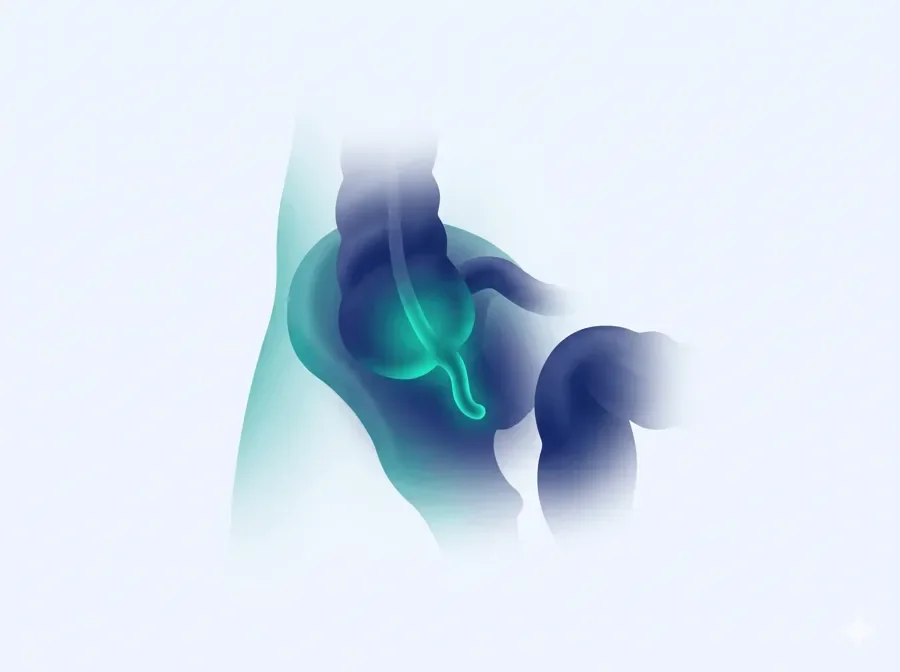 Appendicitis
Appendicitis is inflammation of the appendix that causes pain typically shifting to the right lower abdomen, with nausea, loss of appetite and fever. It is a surgical emergency, treated safely and quickly by laparoscopic appendix removal.
Learn more 05 Piles (Haemorrhoids)
Piles (haemorrhoids) are swollen blood vessels in and around the anal canal that cause bright-red bleeding, discomfort, swelling and itching. Most improve with diet and minor office procedures; advanced piles are treated with modern, low-pain day-care surgery.
Learn more 06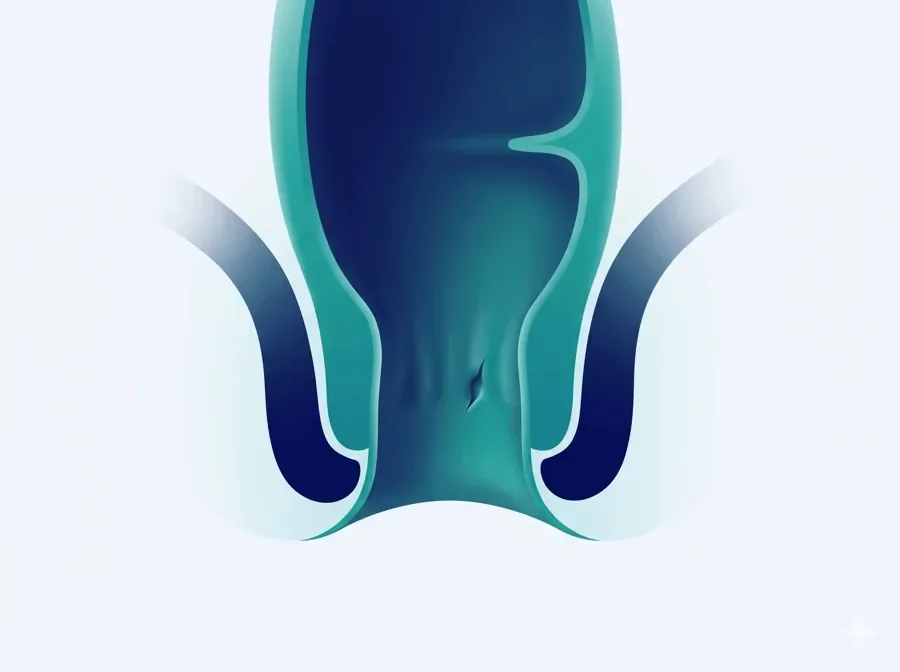 Fissure-in-Ano (Anal Fissure)
An anal fissure is a small tear in the lining of the anal canal that causes sharp, knife-like pain and a little bright-red bleeding during and after bowel movements. Most fissures heal with treatment; chronic fissures are cured with a quick, minor procedure.
Learn more 07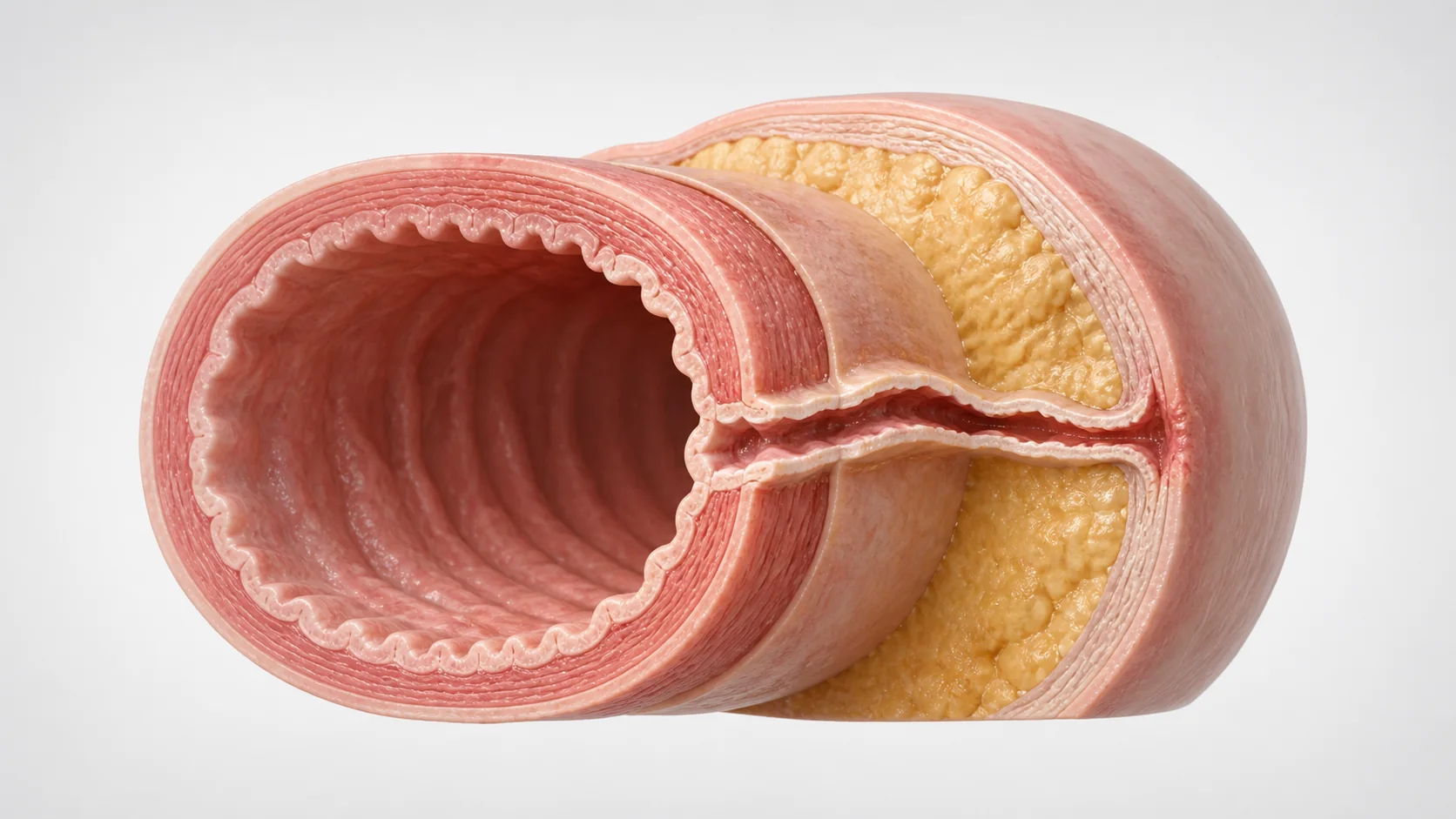 Fistula-in-Ano (Anal Fistula)
An anal fistula is an abnormal tunnel connecting the inside of the anal canal to the skin near the anus, usually following an abscess. It causes recurrent discharge, pain and swelling, and is cured with surgery using sphincter-preserving techniques wherever possible.
Learn more 08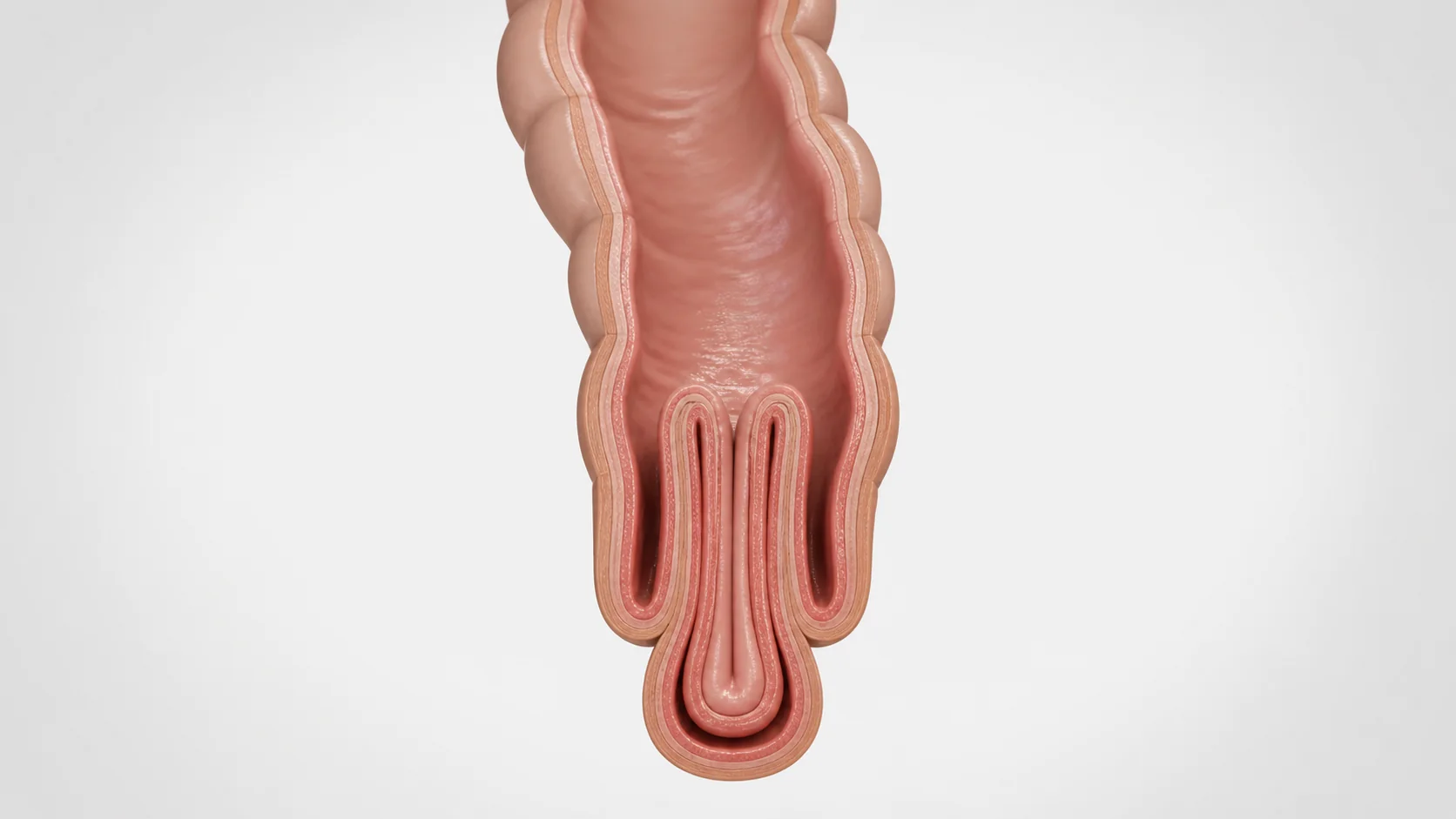 Rectal Prolapse
Rectal prolapse is the protrusion of the rectum through the anus, causing a visible lump, mucus, bleeding and difficulty controlling motions. It is corrected surgically — often by a laparoscopic operation that lifts and secures the rectum to restore normal function.
Learn more 09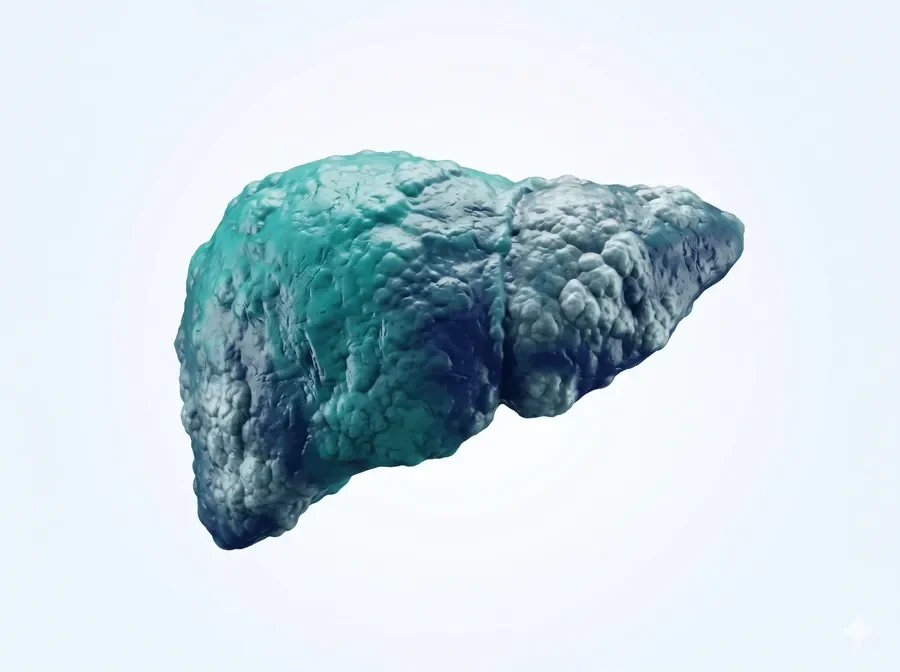 Cirrhosis of the Liver
Cirrhosis is advanced, long-term scarring of the liver caused by ongoing damage such as hepatitis, fatty liver or alcohol. Management focuses on treating the cause, preventing complications, and screening for liver cancer; advanced disease may need transplantation assessment.
Learn moreWhat this centre covers
From acidity and gallstones to hernias and piles, most digestive problems are very treatable — and many do not need surgery at all. This centre explains each condition simply, so you know what is happening, what your options are, and when to seek expert help.
Common symptoms to watch for
Many digestive symptoms are dismissed for months. Understanding what your symptoms mean — and which ones are red flags — helps you get the right care early, often avoiding bigger problems later.
Heartburn or acid reflux
Abdominal pain or cramps
Bleeding or blood in stool
Swelling or a lump
Constipation or change in habits
Jaundice (yellowing)
Unexplained weight change
Persistent bloating
Diagnosis & Our Approach
A careful history and examination to pinpoint the cause — not just the symptom.
Endoscopy, ultrasound and scans only where they genuinely help.
A clear opinion on whether surgery is needed — or a simpler option will do.
Laparoscopic and endoscopic techniques whenever clinically possible.
Treatment Options
Lifestyle and medication first, where appropriate.
Day-care procedures without any cuts.
Laparoscopic repair with fast recovery.
Follow-up and prevention of recurrence.
Treatments & surgery we offer
Dedicated pages for what each procedure involves, recovery and what to expect with Dr. Avinash Tank.
Gallbladder StoneMinimally invasive removal of the gallbladder (laparoscopic cholecystectomy) — the definitive, day-care treatment for painful gallstones.
View treatment Acidity (Reflux / GERD)Laparoscopic anti-reflux surgery (fundoplication) for persistent acidity and reflux that does not settle with medicines.
View treatment Robotic Hernia RepairRobotic repair of complex, recurrent and large ventral, incisional, inguinal and hiatus hernias — wristed instruments allow precise mesh placement and defect (TAR) closure for durable, low-recurrence results.
View treatment AppendixMinimally invasive removal of an inflamed appendix (laparoscopic appendicectomy) — quick recovery and minimal scarring.
View treatment Robotic Anti-Reflux & Hiatus Hernia SurgeryRobot-assisted fundoplication and hiatus-hernia repair for severe acid reflux (GERD) — the fine, magnified control of the robot is ideal for accurate, lasting reflux correction deep at the diaphragm.
View treatment HerniaLaparoscopic mesh repair for all hernias — restoring the abdominal wall with small cuts, less pain and a fast recovery.
View treatment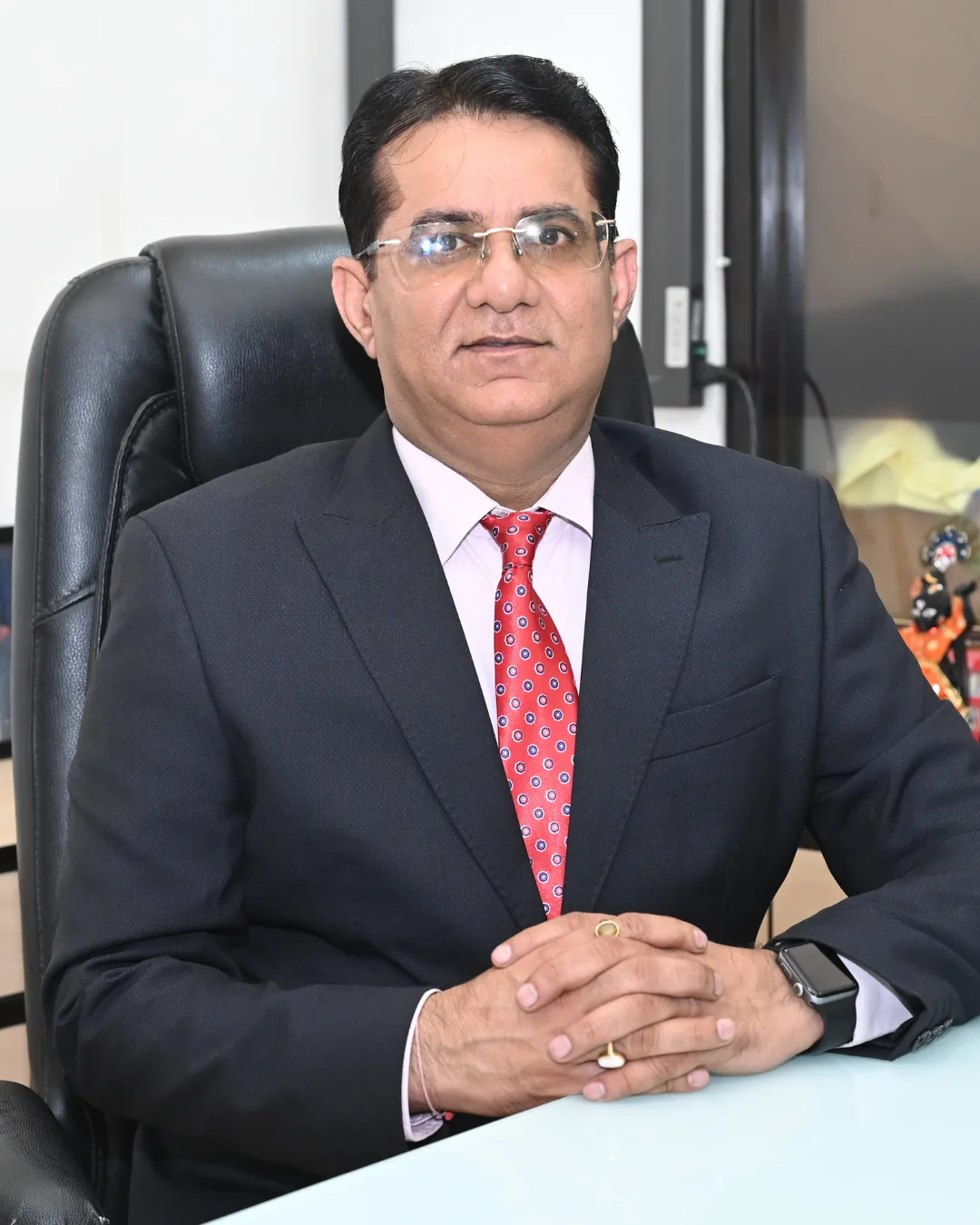
Dr. Avinash Tank, MBBS · MS (General Surgery) · MCh (Surgical Gastroenterology, SGPGIMS)
Dedicated surgical gastroenterologist, not a generalist
Support & guidance
Explore the library
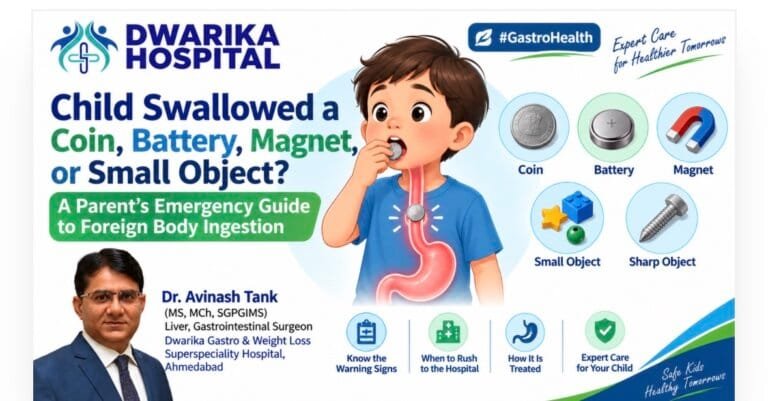 Blog article · Sep 2026
Child Swallowed a Coin, Battery, Magnet, or Small Object? A Parent’s Emergency Guide to Foreign Body Ingestion
Child Swallowed a Coin, Battery, Magnet, or Small Object? A Parent’s Emergency Guide to Foreign Body Ingestion. Child Swallowed a Coin, Battery, Magn… Read more
Blog article · Sep 2026
Child Swallowed a Coin, Battery, Magnet, or Small Object? A Parent’s Emergency Guide to Foreign Body Ingestion
Child Swallowed a Coin, Battery, Magnet, or Small Object? A Parent’s Emergency Guide to Foreign Body Ingestion. Child Swallowed a Coin, Battery, Magn… Read more
Visiting consultations near you
Dr. Avinash Tank holds visiting consultations across Gujarat & Rajasthan, with advanced surgery at the main centre, Dwarika Hospital, Ahmedabad.
No matching city — browse all locations.
Frequently asked questions
No. Many conditions improve with lifestyle changes, medication or a simple day-care endoscopic procedure. Surgery is advised only when it is genuinely the best option.
If symptoms last more than two weeks, recur often, or include red flags like bleeding, jaundice or weight loss, see a surgical gastroenterologist.
Yes — in experienced hands it is very safe and offers less pain, smaller scars and a faster recovery than open surgery.
Absolutely. An honest second opinion is welcome and often reassuring before any decision.
Still unsure what this means for you?
A short, honest self-check can point you in the right direction — or book straight in for a clear opinion from Dr. Avinash Tank.