

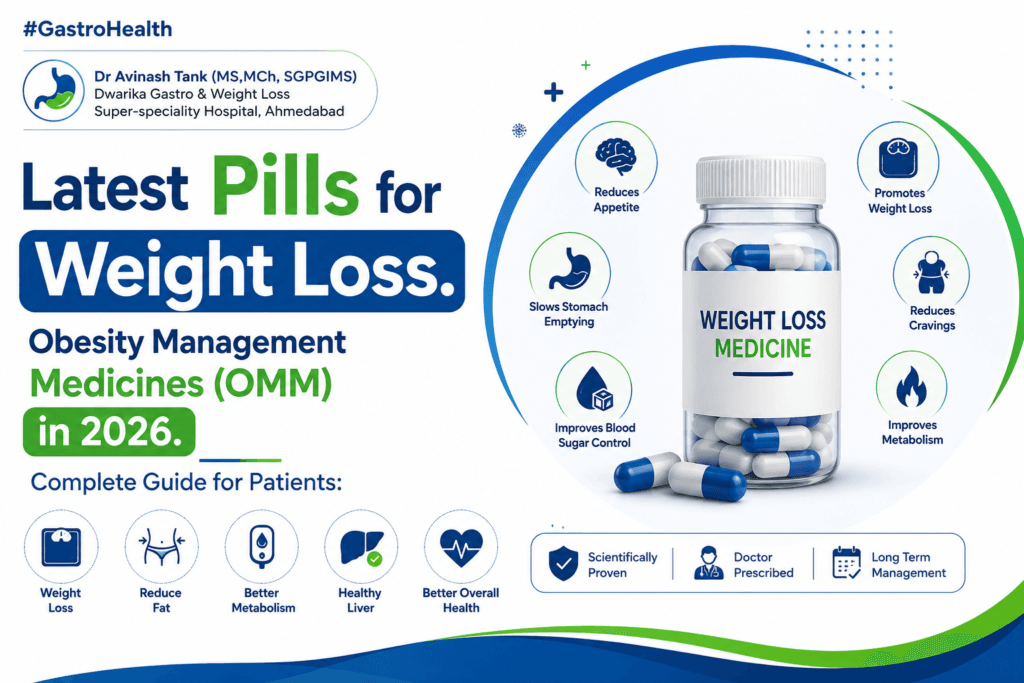
Latest Pills for Weight Loss. Obesity Management Medicines (OMM) in 2026. Complete Guide for Patients: Who should take, Risk & Benefits.
Obesity is one of the fastest-growing health problems worldwide. It is no longer considered only a cosmetic issue. Modern medical science now recognizes obesity as a chronic metabolic disease that increases the risk of diabetes, fatty liver disease, heart disease, sleep apnea, joint problems, infertility, and certain cancers.
For many years, diet and exercise were considered the primary treatment for obesity. However, many patients struggled to achieve long-term weight loss because obesity is strongly influenced by hormones, metabolism, genetics, appetite regulation, and lifestyle factors.
In recent years, new obesity management medicines such as GLP-1 receptor agonists and dual incretin therapies have transformed obesity treatment. These medicines are helping patients lose significant weight and improve metabolic health without surgery in selected cases.
This detailed guide explains the latest obesity medicines, their benefits, risks, expected results, and comparison with bariatric surgery.
Understanding Obesity
Obesity is a condition in which excessive body fat negatively affects health. It is commonly measured using Body Mass Index (BMI).
BMI Classification
- BMI 25–29.9 = Overweight
- BMI 30–34.9 = Obesity Class I
- BMI 35–39.9 = Obesity Class II
- BMI ≥40 = Severe or Morbid Obesity
For Indian and Asian populations, health risks begin at lower BMI levels.
How Obesity Affects the Body
Obesity affects almost every organ system in the body.
Common Health Problems Associated with Obesity
- Type 2 diabetes
- High blood pressure
- Fatty liver disease
- Sleep apnea
- Acid reflux
- Heart disease
- Stroke
- Gallstones
- PCOS
- Infertility
- Arthritis
- Depression and anxiety
Causes of Obesity
Obesity develops due to multiple factors working together.
Poor Dietary Habits
- Fast food
- Sugary drinks
- Processed foods
- Emotional eating
- Excess calorie intake
Sedentary Lifestyle
Lack of physical activity slows calorie burning and promotes fat accumulation.
Hormonal Problems
Conditions such as:
- Hypothyroidism
- PCOS
- Insulin resistance
- Cushing syndrome
Genetics
Some individuals are genetically more prone to obesity.
Stress and Poor Sleep
Stress hormones and sleep deprivation increase appetite and cravings.
What are Latest Obesity Management Medicines?
Modern obesity medicines work by targeting the body’s hunger and satiety pathways.
Most newer medicines belong to the:
- GLP-1 receptor agonist group
- Dual incretin agonist group
These medications mimic natural gut hormones that regulate appetite and metabolism.
How Weight Loss Medicines Work
Appetite Suppression
Patients feel full earlier and eat smaller portions.
Reduced Food Cravings
These medicines reduce:
- Sugar cravings
- Emotional eating
- Frequent snacking
Delayed Gastric Emptying
Food stays longer in the stomach, increasing fullness.
Improved Insulin Sensitivity
Blood sugar control improves significantly.
Types of Latest Obesity Medicines
Semaglutide
Semaglutide is one of the most popular obesity medicines worldwide.
Common Brands
- Wegovy
- Ozempic
Benefits
- Significant appetite reduction
- Weight loss
- Better diabetes control
- Fatty liver improvement
Average Weight Loss
Patients may lose:
- 10–15% of body weight
Tirzepatide
Tirzepatide is a newer dual hormone medicine.
It works on:
- GLP-1 receptors
- GIP receptors
Advantages
- Stronger appetite suppression
- Greater weight loss
- Better metabolic improvement
Expected Weight Loss
Studies show:
- 15–22% body weight reduction
Liraglutide
An older GLP-1 medicine requiring daily injections.
Benefits
- Weight reduction
- Improved diabetes control
Who Should Use Obesity Medicines?
These medicines are usually recommended for:
BMI ≥30
Even without other diseases.
BMI ≥27 with Obesity-Related Diseases
Such as:
- Diabetes
- Fatty liver
- High blood pressure
- Sleep apnea
Patients Who Failed Diet and Exercise Alone
When lifestyle changes alone are insufficient.
Who Should Avoid These Medicines?
These medicines may not be suitable for everyone.
– Pregnancy and Breastfeeding
– Weight loss medicines should not be used.
– Thyroid Cancer Risk
Avoid in patients with:
- Medullary thyroid carcinoma
- MEN syndrome
Severe Gastrointestinal Disorders
Use cautiously in:
- Gastroparesis
- Severe reflux disease
- Chronic vomiting disorders
– Pancreatitis History
– Requires specialist evaluation.
Benefits of Latest Obesity Medicines
Significant Weight Loss
Most patients experience gradual and sustainable weight reduction.
Diabetes Improvement
Many patients require fewer diabetes medicines.
Fatty Liver Improvement
Liver fat often reduces significantly.
Better Blood Pressure Control
Weight reduction improves hypertension.
Cholesterol Improvement
Bad cholesterol and triglycerides may decrease.
Better Mobility and Quality of Life
Patients often report:
- Better energy
- Improved confidence
- Reduced joint pain
Side Effects and Safety Profile
Most side effects are mild and temporary.
Common Side Effects
Nausea
Most common during initial treatment.
Vomiting
Usually improves gradually.
Constipation
Very common with GLP-1 medicines.
Diarrhea
Can occur during dose escalation.
Bloating and Indigestion
Often temporary.
Serious Risks and Complications
Though uncommon, serious complications can occur.
Gallstones
Rapid weight loss increases gallstone formation risk.
Pancreatitis
Rare but serious inflammation of the pancreas.
Muscle Loss
Rapid weight loss without proper nutrition may reduce muscle mass.
Nutritional Deficiency
Protein deficiency may occur in poorly supervised patients.
Are Weight Loss Injections Safe Long-Term?
Current scientific evidence suggests that GLP-1 medicines are relatively safe for long-term use (few weeks to few months only) when prescribed under medical supervision.
However:
- Long-term monitoring is important
- Weight regain may occur after stopping medicines
- Lifestyle changes remain essential
Results of Obesity Medicines
Weight Loss Results
Lifestyle Modification Alone
Usually:
- 5–8% weight loss
Semaglutide
Typically:
- 10–15% weight loss
Tirzepatide
Typically:
- 15–22% weight loss
Improvement in Metabolic Syndrome
These medicines improve multiple obesity-related diseases.
Diabetes
Blood sugar control improves significantly.
Fatty Liver Disease
Liver inflammation and fat accumulation may decrease.
Blood Pressure
Hypertension often improves.
Sleep Apnea
Weight reduction improves breathing during sleep.
Limitations of Obesity Medicines
Despite excellent results, medicines have some limitations.
Weight Regain
Weight often returns after stopping therapy.
Long-Term Therapy Requirement
Obesity is a chronic disease requiring ongoing management.
Cost
Long-term treatment can be expensive.
Severe Obesity Limitation
Patients with very high BMI may still require surgery.
Obesity Medicines vs Bariatric Surgery
Bariatric Surgery Remains the Gold Standard
Common procedures include:
- Sleeve gastrectomy
- Gastric bypass
- Mini gastric bypass
Comparison Between Medicines and Surgery
| Feature | Obesity Medicines | Bariatric Surgery |
| Weight Loss | 10–22% | 25–40% |
| Diabetes Resolution | Good | Excellent |
| Long-Term Results | Moderate | Superior |
| Recovery Time | Minimal | 1–4 weeks |
| Procedure Risk | Low | Moderate |
| Reversibility | Yes | Limited |
Who Should Choose Obesity Medicines?
Medicines may be ideal for:
- Mild to moderate obesity
- Early metabolic syndrome
- Patients afraid of surgery
- Patients preferring gradual weight loss
Who Should Consider Bariatric Surgery?
Surgery should strongly be considered for:
- BMI ≥40
- BMI ≥35 with severe metabolic disease
- Uncontrolled diabetes
- Severe sleep apnea
- Failed medical treatment
Diet and Lifestyle During Medical Weight Loss
Medicines work best when combined with lifestyle changes.
Protein-Rich Diet
Important to preserve muscle mass.
Avoid Sugary Foods
Reduce:
- Soft drinks
- Bakery products
- Processed snacks
Exercise
Aim for:
- Walking
- Strength training
- Regular physical activity
Sleep Improvement
Good sleep improves hormonal balance.
Common Myths About Weight Loss Medicines
“These Medicines are Magic”
Medicines work best with lifestyle modification.
“Weight Returns in Everyone”
Healthy habits improve long-term success.
“Only Diabetic Patients Can Use Them”
Non-diabetic obesity patients may also benefit.
Future of Obesity Treatment
Future therapies may include:
- Triple hormone medicines
- Personalized obesity medicine
- Combination treatments
- Endoscopic weight loss procedures
Obesity management is rapidly evolving.
Frequently Asked Questions (FAQs)
Which is the best obesity medicine?
The best medicine depends on:
- BMI
- Diabetes status
- Medical history
- Weight loss goals
Are GLP-1 injections safe?
Yes, when prescribed by experienced doctors.
How much weight can I lose?
Weight loss varies from:
- 10–22% with medicines
- 25–40% with surgery
Can obesity medicines reverse diabetes?
Many patients experience major improvement.
Is bariatric surgery still better?
For severe obesity, surgery remains the most effective long-term treatment.
Conclusion
Latest obesity management medicines have revolutionized the treatment of obesity and metabolic syndrome. GLP-1 medicines and dual incretin therapies are helping patients achieve substantial weight loss, better diabetes control, improved fatty liver disease, and enhanced quality of life.
However, obesity remains a chronic disease that requires long-term lifestyle modification, dietary discipline, exercise, and medical supervision.
Current evidence suggests that obesity medicines are highly effective for mild to moderate obesity, while bariatric surgery remains the gold standard for severe obesity and uncontrolled metabolic disease.
The best treatment should always be individualized based on BMI, metabolic health, lifestyle, and long-term goals.
Book Appointment by Call or WhatsApp on +91 88 66 02 05 05
Dr Avinash Tank (MS, MCh, SGPGIMS)
Dwarika Gastro Super-speciality Hospital, Ahmedabad
For expert consultation regarding:
- Obesity treatment
- Weight loss injections
- GLP-1 medicines
- Bariatric surgery
- Fatty liver disease
- Diabetes and metabolic syndrome

Super-specialist GI, bariatric & cancer surgeon. SGPGIMS (India's premier GI centre) + advanced training in Japan & South Korea. Read full profile →
Last reviewed: July 2026


Comments
Be the first to share your thoughts on this article.