

Endometriosis: Symptoms, Causes, Treatment & Importance of Menstrual Hygiene
Endometriosis: Understanding the Disease and the Importance of Menstrual Hygiene
Endometriosis is a painful and often misunderstood gynecological condition affecting millions of women worldwide. Many women consider severe menstrual pain “normal,” leading to delayed diagnosis and treatment. However, persistent pain during menstruation should never be ignored.
Along with hormonal, genetic, and immune-related factors, growing awareness about menstrual hygiene and reproductive health has become important in preventing infections and improving overall gynecological wellness. Although poor menstrual hygiene does not directly cause endometriosis, unhealthy menstrual practices may contribute to pelvic infections, inflammation, and worsening symptoms in susceptible women.
This article explains endometriosis, its symptoms, causes, complications, treatment options, and the importance of maintaining good menstrual hygiene.
What is Endometriosis?
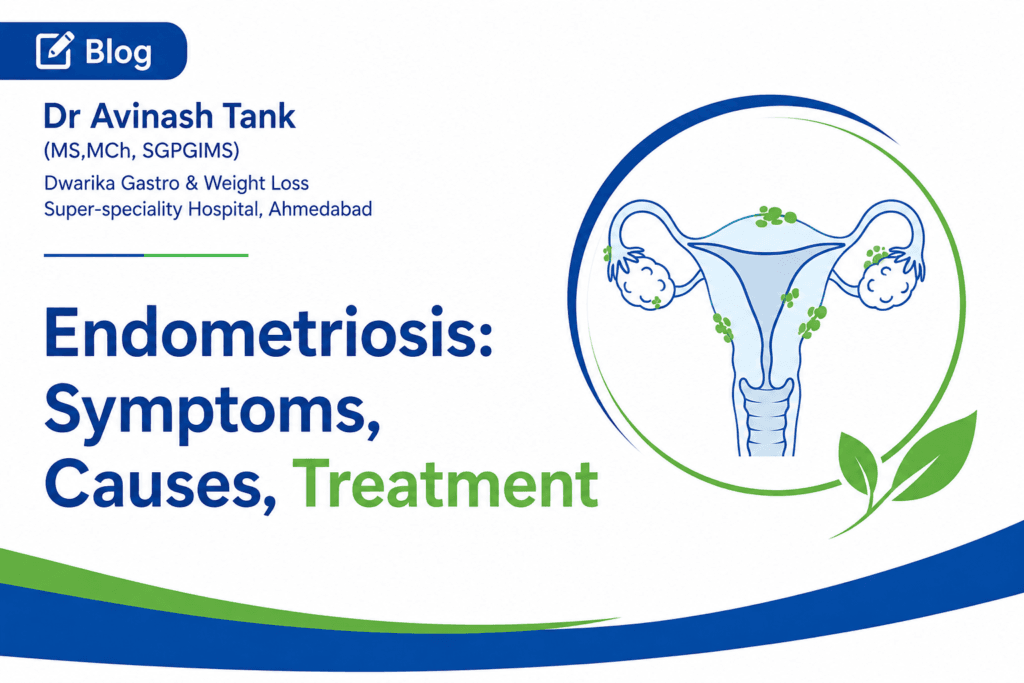
Endometriosis is a condition in which tissue similar to the lining inside the uterus (endometrium) grows outside the uterus. These abnormal tissues commonly grow on:
- Ovaries
- Fallopian tubes
- Outer surface of the uterus
- Pelvic lining
- Intestines
- Urinary bladder
Like the uterine lining, these tissues respond to hormonal changes during the menstrual cycle. They thicken, break down, and bleed during periods. However, because the blood cannot exit the body normally, it leads to inflammation, scarring, adhesions, and severe pain.
How Common is Endometriosis?
Endometriosis affects approximately 1 in 10 women of reproductive age. Many cases remain undiagnosed because symptoms are often mistaken for regular menstrual discomfort.
The condition commonly affects women between 25–40 years of age but may also occur in teenagers.
Symptoms of Endometriosis
Symptoms can vary from mild to severe. Some women may have severe disease with minimal symptoms, while others experience disabling pain.
Common Symptoms
1. Painful Periods (Dysmenorrhea)
Severe menstrual cramps that worsen over time are the most common symptom.
2. Chronic Pelvic Pain
Pain may continue even after periods end.
3. Heavy Menstrual Bleeding
Women may experience excessive bleeding or bleeding between periods.
4. Pain During Intercourse
Deep pelvic pain during or after sexual activity is common.
5. Pain During Urination or Bowel Movements
Especially during menstruation.
6. Infertility
Endometriosis is one of the leading causes of infertility in women.
7. Digestive Symptoms
- Bloating
- Constipation
- Diarrhea
- Nausea
8. Fatigue
Chronic inflammation and pain may cause exhaustion and reduced quality of life.
Causes of Endometriosis
The exact cause remains unclear, but several theories exist.
1. Retrograde Menstruation
Menstrual blood flows backward through fallopian tubes into the pelvic cavity instead of leaving the body.
2. Genetic Factors
Women with a family history are at higher risk.
3. Immune System Dysfunction
An impaired immune system may fail to remove abnormal endometrial cells.
4. Hormonal Imbalance
Estrogen stimulates growth of endometrial tissue.
5. Surgical Scar Implantation
After surgeries such as cesarean section or hysterectomy.
Relationship Between Menstrual Hygiene and Endometriosis
Good menstrual hygiene is essential for overall reproductive health. While poor menstrual hygiene is not a direct cause of endometriosis, unhealthy menstrual practices may increase inflammation, infections, and pelvic health complications that can worsen symptoms.
How Poor Menstrual Hygiene May Affect Reproductive Health
1. Increased Risk of Pelvic Infections
Using unclean menstrual products or changing pads infrequently may increase bacterial growth and infections.
Pelvic infections can lead to:
- Chronic pelvic inflammation
- Tubal damage
- Worsening pelvic pain
2. Increased Inflammatory Response
Poor hygiene can contribute to vaginal and pelvic irritation, potentially aggravating inflammation already present in women with endometriosis.
3. Delayed Medical Attention
Women who lack menstrual awareness may ignore abnormal symptoms such as:
- Excessive pain
- Heavy bleeding
- Irregular periods
This delays diagnosis and treatment.
4. Use of Unsafe Menstrual Products
Low-quality or unhygienic menstrual products may cause skin irritation, infections, and discomfort.
Good Menstrual Hygiene Practices
Maintaining proper menstrual hygiene promotes reproductive wellness and reduces infection risk.
Recommended Practices
- Change sanitary pads every 4–6 hours
- Wash hands before and after changing pads
- Use clean, high-quality menstrual products
- Avoid prolonged use of a single tampon or pad
- Properly dispose of sanitary products
- Maintain genital cleanliness with water and mild soap
- Wear breathable cotton undergarments
- Seek medical advice for severe menstrual pain
Risk Factors for Endometriosis
Women are more likely to develop endometriosis if they have:
- Early onset of menstruation
- Short menstrual cycles
- Heavy periods
- Family history of endometriosis
- Delayed pregnancy
- Low body fat
- Hormonal imbalance
Complications of Endometriosis
If untreated, endometriosis can lead to serious complications.
1. Infertility
Inflammation and scarring can block fallopian tubes.
2. Ovarian Cysts
Known as endometriomas or “chocolate cysts.”
3. Chronic Pain Syndrome
Persistent pelvic pain can affect mental and physical health.
4. Adhesions and Scar Tissue
Organs may stick together due to repeated inflammation.
5. Emotional and Mental Health Issues
Depression, anxiety, and reduced quality of life are common.
Diagnosis of Endometriosis
Early diagnosis improves treatment outcomes.
Common Diagnostic Methods
Clinical Examination
Detailed menstrual and pain history.
Ultrasound
Useful for detecting ovarian cysts.
MRI Scan
Provides detailed imaging in complex cases.
Laparoscopy
Gold standard for diagnosis. A small camera is inserted into the abdomen to directly visualize endometrial tissue.
Treatment of Endometriosis
Treatment depends on:
- Severity of symptoms
- Age
- Fertility goals
- Extent of disease
1. Pain Medications
NSAIDs help reduce inflammation and pain.
2. Hormonal Therapy
- Birth control pills
- Progesterone therapy
- Hormonal injections
These reduce estrogen stimulation.
3. Lifestyle Changes
- Regular exercise
- Stress management
- Healthy diet
- Weight management
Anti-inflammatory Diet May Help
Foods rich in:
- Fruits
- Vegetables
- Omega-3 fatty acids
- Whole grains
may reduce inflammation.
4. Surgical Treatment
Laparoscopic Surgery
Abnormal tissue is removed while preserving reproductive organs.
Hysterectomy
In severe cases when symptoms are uncontrollable and fertility is no longer desired.
Can Endometriosis Be Prevented?
There is no guaranteed prevention, but certain measures may reduce risk or severity:
- Maintain healthy menstrual hygiene
- Seek medical evaluation for severe period pain
- Avoid delaying treatment
- Exercise regularly
- Maintain healthy body weight
- Reduce stress
- Follow a balanced diet
When Should You See a Doctor?
Consult a specialist if you experience:
- Severe menstrual pain
- Heavy bleeding
- Pain during intercourse
- Difficulty conceiving
- Chronic pelvic pain
- Symptoms affecting daily activities
Early diagnosis can prevent complications and improve quality of life.
Final Words
Endometriosis is more than just “painful periods.” It is a chronic inflammatory condition that can significantly affect a woman’s physical, emotional, and reproductive health.
Awareness about menstrual health and good menstrual hygiene plays an important role in improving reproductive wellness. Although poor menstrual hygiene does not directly cause endometriosis, maintaining proper hygiene helps reduce infections, inflammation, and delayed diagnosis.
Women should never ignore severe menstrual pain. Early medical consultation, proper treatment, and healthy menstrual practices can help manage symptoms and improve overall quality of life.
About the Author
Dr Avinash Tank (MS, MCh, SGPGIMS)
Dwarika Gastro & Weight Loss Super-speciality Hospital, Ahmedabad
Expert in Advanced Gastrointestinal, Laparoscopic & Bariatric Care.

Super-specialist GI, bariatric & cancer surgeon. SGPGIMS (India's premier GI centre) + advanced training in Japan & South Korea. Read full profile →
Last reviewed: July 2026



Comments
Be the first to share your thoughts on this article.