

Reading Time: 2 minutes
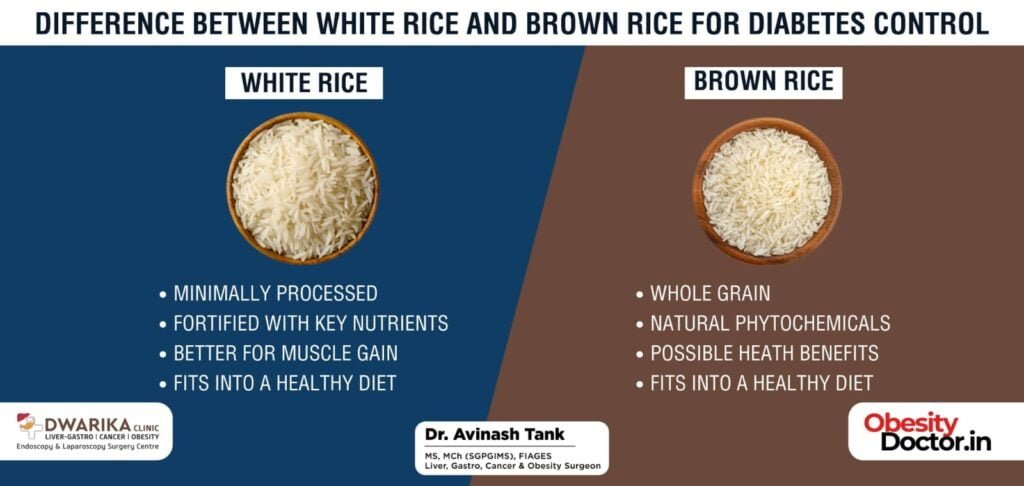
When it comes to diabetes control, there are some differences between white rice and brown rice that can affect blood sugar levels. Here are the main points to consider:
- Fiber content:
- Brown rice is generally considered more beneficial for diabetes control because it contains more fiber than white rice.
- The fiber in brown rice slows down the digestion and absorption of carbohydrates, leading to a slower and more gradual rise in blood sugar levels.
- On the other hand, white rice has had its bran and germ removed during processing, resulting in a lower fiber content.
- Glycemic index:
- The glycemic index (GI) measures how quickly a carbohydrate-containing food raises blood sugar levels.
- Foods with a high GI value cause a more rapid spike in blood sugar, while those with a low GI value cause a slower and more gradual increase.
- Brown rice has a lower glycemic index compared to white rice, meaning it has a less significant impact on blood sugar levels.
- Nutrient content:
- Brown rice is more nutritious than white rice because it retains the bran and germ layers, which contain vitamins, minerals, and beneficial compounds. These include B vitamins, magnesium, and antioxidants.
- By choosing brown rice over white rice, you can obtain more nutrients that support overall health, including diabetes management.
- Portion control:
- Regardless of whether you choose white or brown rice, portion control is crucial for managing blood sugar levels.
- Both types of rice contain carbohydrates that can affect blood sugar. It’s important to monitor portion sizes and combine rice with other foods that slow down digestion, such as protein, healthy fats, and vegetables, to further mitigate blood sugar spikes.
Summary:
While both white rice and brown rice can be included in a diabetes-friendly diet, brown rice is generally considered the better option due to its higher fiber content, lower glycemic index, and richer nutrient profile.
However, it’s important to work with a healthcare professional or a registered dietitian to determine the best approach for your specific dietary needs and blood sugar management

Medically reviewed by
Dr. Avinash Tank — MCh Surgical Gastroenterology
Super-specialist GI, bariatric & cancer surgeon. SGPGIMS (India's premier GI centre) + advanced training in Japan & South Korea. Read full profile →
Last reviewed: June 2026


Comments
Be the first to share your thoughts on this article.