

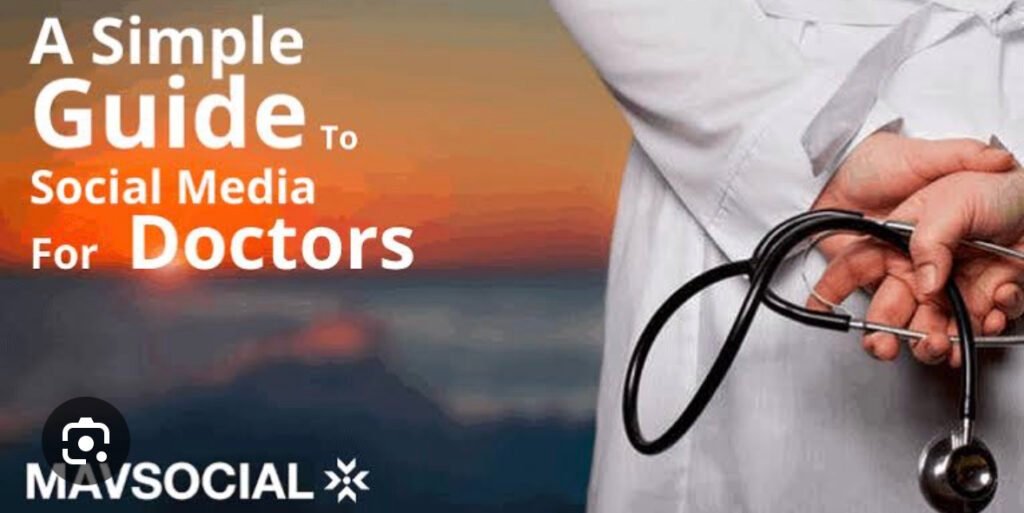
Latest Guideline of NMC (National Medical Council) for Use of Social Media for Doctors (RMP, Registered Medical Practitioners)
The National Medical Commission (NMC) is a regulatory body in India responsible for overseeing medical education and practice in the country.
It was established to replace the Medical Council of India (MCI) and bring about significant reforms in the medical education system and healthcare sector.
The NMC Act, 2019, led to the creation of the National Medical Commission.
Recently, NMC has released the guidelines for doctors about the use of social media, keeping focus of ethics & professionalism.
Key Principles:
(1) Medical Ethics as a Guiding Principle: The use of social media by Registered Medical Practitioners (RMPs) should adhere to the broader principles of medical ethics. This means that ethical considerations that apply in offline medical practice should also be extended to their online conduct.
(2) Distinction between Telemedicine and Social Media: RMPs must differentiate between telemedicine consultations and social media interactions. While information sharing is possible on both platforms, clinical discussions and prescribing should not take place publicly on social media.
(3) Truthful, Respectful, and Professional Communication: All written and visual communication by RMPs on social media should uphold principles of truthfulness, respect, and professionalism. The content shared should be accurate, respectful to patients and colleagues, and should maintain a professional tone.
Conduct:
1) Information Sharing: RMPs are permitted to share information and announcements on social media. However, the information shared should be factual, verifiable, and not misleading. It should not exploit patients’ vulnerability or lack of medical knowledge.
2) Patient Treatment Discussions: Avoid discussing patient treatment details or prescribing medicines publicly on social media. If a patient reaches out on social media, guide them towards a telemedicine or in-person consultation based on the situation.
3) Patient Images and Scan Images: RMPs should refrain from posting patients’ photographs or scan images on social media. Once posted, these images become the property of the social media platform or the public at large.
4) Professional Behavior with Colleagues: Interactions with colleagues on social media should follow the general principles of medical ethics that govern professional behavior.
5) Organic Growth vs. Artificial Methods: RMPs must not engage in practices such as purchasing “likes,” “followers,” or manipulating search algorithms. They should not use software that charges fees for higher ratings or solicit patients through such methods.
6) Patient Testimonials and Recommendations: Avoid requesting or sharing patient testimonials, recommendations, endorsements, or reviews on social media.
7) Sharing of Medical Results: Do not share images of healed/cured patients, surgery/procedure videos, or images showcasing impressive results on social media.
8) Sharing of Educative Material: RMPs can share educational content for the general public, but the scope of communication should align with their professional expertise.
9) RMP’s Webpage Guidelines: The same guidelines applicable to social media should be followed for an RMP’s webpage.
10) Dignified Conduct: Maintain dignity and decorum while interacting on social media, avoiding any boundary crossings or violations.
11) Unethical Patient Solicitation: Directly or indirectly soliciting patients through social media is considered unethical.
By adhering to these guidelines, RMPs can contribute to ethical and professional conduct in their online presence, enhancing the integrity of medical practice on social media platforms.
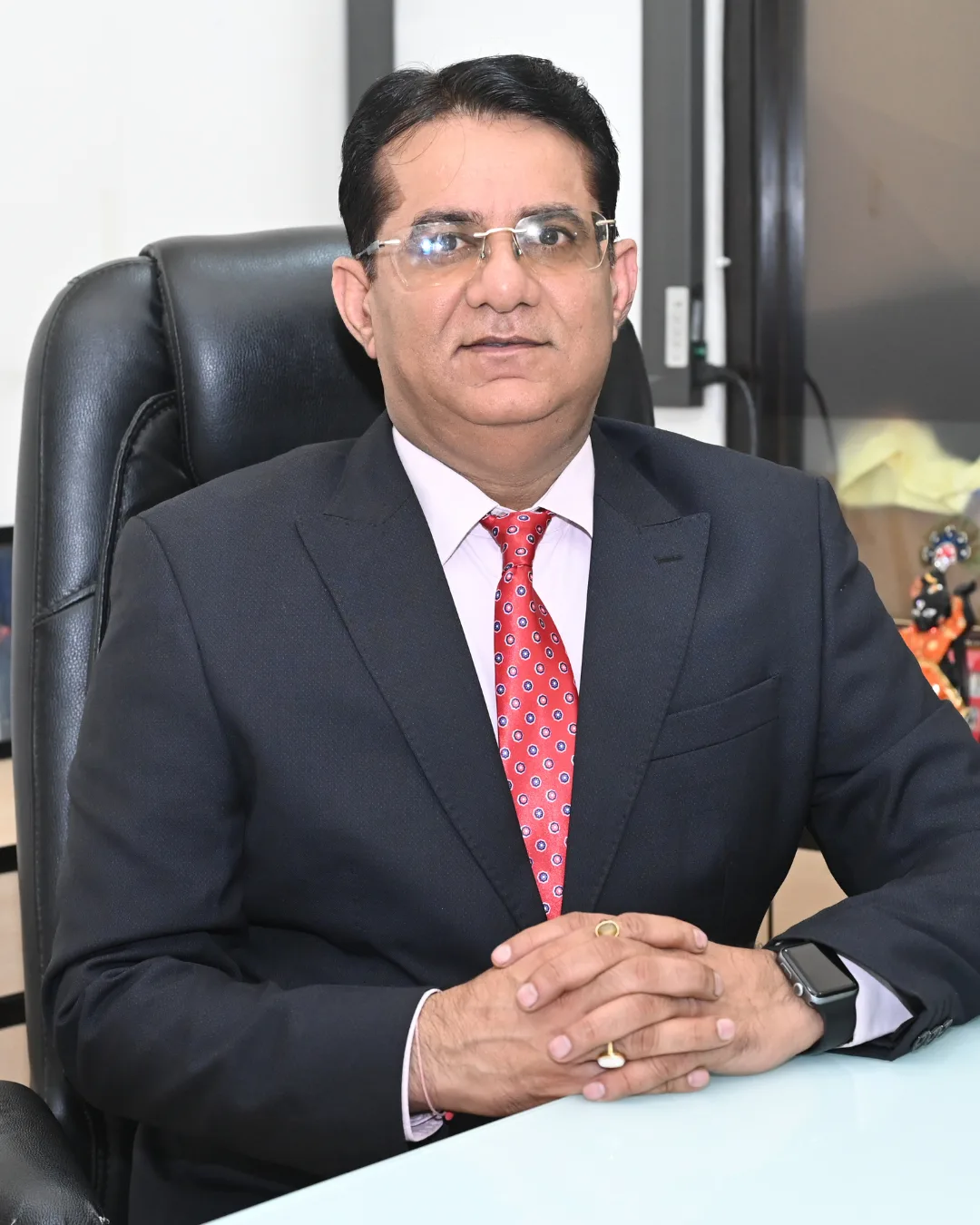
Super-specialist GI, bariatric & cancer surgeon. SGPGIMS (India's premier GI centre) + advanced training in Japan & South Korea. Read full profile →
Last reviewed: July 2026



Comments
Be the first to share your thoughts on this article.