



- IAGES
- ASI — Association of Surgeons of India
- SAGES
- International surgical societies
Quick answer
AI & snippet readyMost acidity settles with diet and medication, but reflux that keeps returning the moment tablets stop — or is driven by a hiatus hernia — may need a permanent surgical fix. Keyhole anti-reflux surgery (laparoscopic fundoplication) rebuilds the weakened valve between the food-pipe and stomach, offering durable relief and freedom from lifelong medication for the right patients. Proper testing first confirms reflux is truly the cause.
Key takeaways
Occasional heartburn is normal; persistent reflux is GERD
A hiatus hernia is a common reason medicine keeps failing
No tablet can repair the valve — keyhole surgery can
Surgery suits reflux that returns whenever tablets are stopped
Tests (endoscopy, pH study, manometry) confirm the diagnosis first
When is acidity more than just heartburn?
Occasional heartburn after a heavy meal is normal, but frequent reflux that disrupts sleep, work or eating is a medical condition called gastro-esophageal reflux disease (GERD). When it keeps returning despite proper medication, it is worth finding out why — because the cause is often mechanical, and no tablet can fix a mechanical problem.
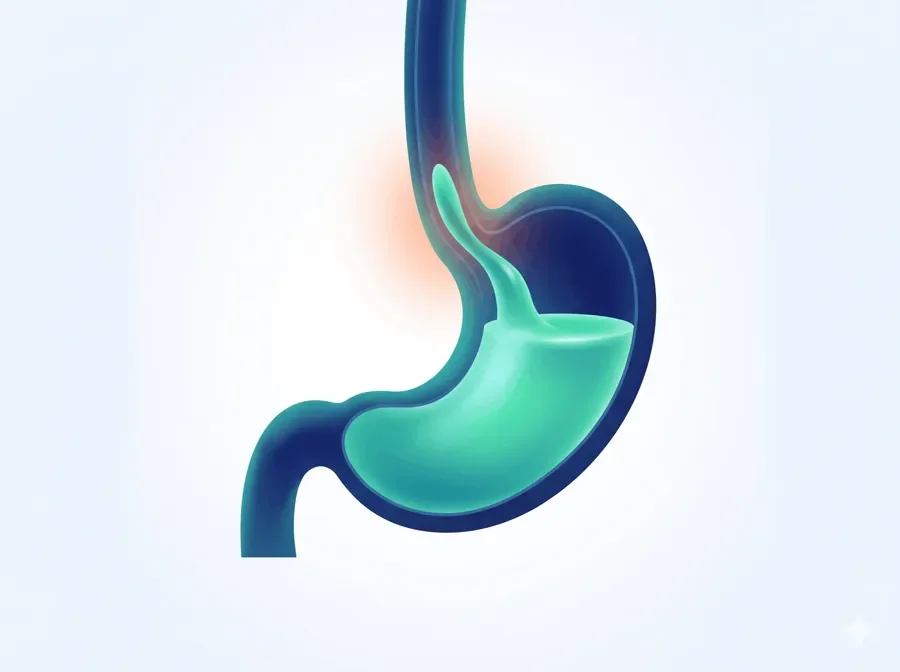
At the junction of the food-pipe and stomach sits a one-way valve that should keep acid down where it belongs. When that valve weakens, acid washes back up, burning the food-pipe and causing the familiar symptoms of reflux.
Signs your acidity is really GERD
- Heartburn or acid taste several times a week
- Symptoms that wake you at night or worsen lying down
- A chronic cough, hoarse voice or sore throat with no clear cause
- Needing acid tablets continuously just to feel normal
- Difficulty or discomfort when swallowing
Difficulty swallowing, unintended weight loss, vomiting blood or black stools are alarm symptoms — they need prompt endoscopy rather than more tablets.
How does a hiatus hernia cause reflux that will not settle?
A common reason reflux refuses to settle is a hiatus hernia, where the top of the stomach slips up through the diaphragm into the chest. This pulls apart the natural valve mechanism, so acid flows back freely. No tablet can repair that displaced valve — but keyhole surgery can put it back and rebuild it.
Acid-suppressing tablets reduce how much acid the stomach makes, which eases the burning. But they do nothing about the loose valve itself — so the moment the tablets stop, the reflux returns. This is why so many people feel trapped on lifelong medication.
If a hiatus hernia is driving your symptoms, treating it with acid tablets alone is like turning down a leaking tap instead of fixing the washer. The leak — the faulty valve — is still there.
When is surgery the better answer for reflux?
Anti-reflux surgery (laparoscopic fundoplication) is considered when symptoms persist despite good medication, return whenever tablets are stopped, or when a significant hiatus hernia is present. It physically rebuilds the valve, offering a durable keyhole solution and, for many patients, freedom from a lifetime of daily medication.
You may be a candidate if
- Your reflux comes straight back whenever you stop acid tablets
- Tests show a significant hiatus hernia
- You are young and facing decades of continuous medication
- You have side-effects from, or simply do not want, lifelong tablets
- Reflux is causing damage to your food-pipe on endoscopy
During the operation, the surgeon returns the stomach to its normal position and wraps its upper part around the lower food-pipe to recreate a strong valve. It is done through keyhole cuts, often as a short hospital stay, with most people back to normal within two weeks on a soft diet.
What tests are needed before reflux surgery?
Before any anti-reflux surgery, objective tests — usually a gastroscopy, a 24-hour pH study and oesophageal manometry — confirm that reflux is genuinely the cause and that the food-pipe moves normally. Accurate diagnosis is exactly what makes the results of surgery reliable and lasting.
- Gastroscopy: a camera test to inspect the food-pipe, valve and any hernia
- 24-hour pH study: measures how much acid actually refluxes, and when
- Manometry: checks the food-pipe squeezes normally, so the wrap is tailored correctly
Operating without these tests is how poor results happen. Confirming the diagnosis first is what separates a durable cure from a disappointing one.
Is it safe to stay on acid tablets for years instead?
For mild, occasional reflux, long-term tablets are a perfectly reasonable choice and many people do well on them. But if you depend on them continuously, or your reflux is driven by a hiatus hernia, it is worth at least assessing whether a one-time surgical fix is the better long-term option for you.
Acid-suppressing medicines are among the most prescribed drugs in the world and are generally well tolerated. The honest point is simply this: they manage the symptom, they do not cure the cause. For someone facing forty years of daily tablets, a durable repair deserves at least a conversation.
Long-term medication vs anti-reflux surgery
| Factor | Long-term tablets | Keyhole surgery |
|---|---|---|
| Repairs a hiatus hernia | No | Yes |
| Stops reflux at the source | No | Yes |
| Ongoing daily medication | Usually lifelong | Usually none |
| Best suited to | Mild / occasional reflux | Persistent reflux or hernia |
How we get you better — step by step
Myths vs facts
Acidity always means too much acid
Often the real problem is a weak valve or hiatus hernia, not excess acid.
Acid tablets are completely harmless long-term
Lifelong use has trade-offs; a one-time fix may be better for some patients.
Reflux surgery is huge and risky
Modern fundoplication is keyhole, day-care for many, with a quick recovery.
Nothing can cure chronic acidity
Surgery offers a durable cure when medicine keeps failing.
Related treatments & services
 Acidity (Reflux / GERD)
Laparoscopic anti-reflux surgery (fundoplication) for persistent acidity and reflux that does not settle with medicines.
View service →
Robotic Anti-Reflux & Hiatus Hernia Surgery
Robot-assisted fundoplication and hiatus-hernia repair for severe acid reflux (GERD) — the fine, magnified control of the robot is ideal for accurate, lasting reflux correction deep at the diaphragm.
View service →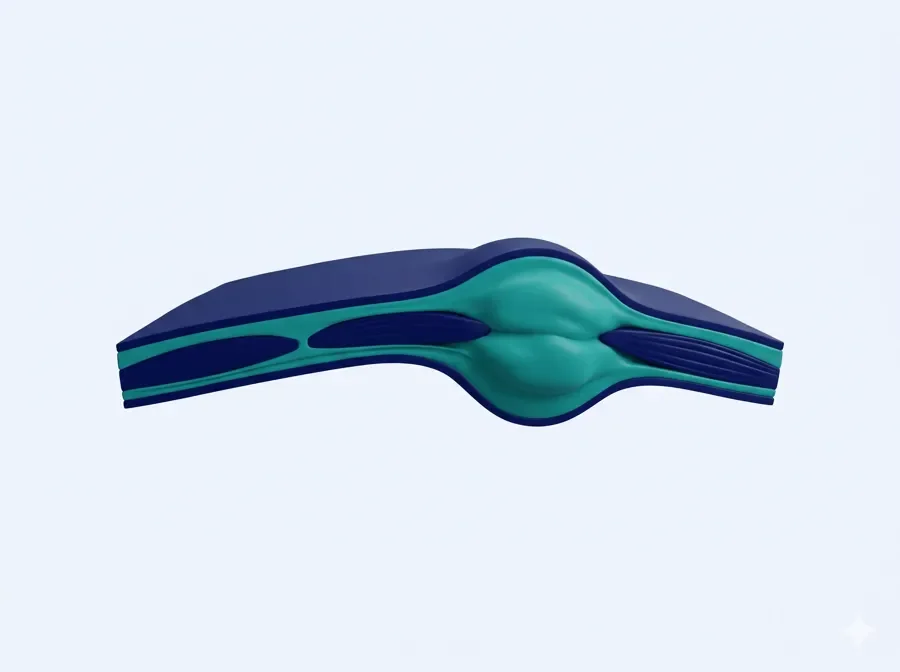 Hernia
Laparoscopic mesh repair for all hernias — restoring the abdominal wall with small cuts, less pain and a fast recovery.
View service →Frequently asked questions
Yes. When reflux persists despite medicine or is driven by a hiatus hernia, keyhole anti-reflux surgery can offer a lasting cure.
Many people do, but if you depend on them continuously, it is worth assessing whether a one-time surgical fix is the better long-term option.
References & sources
- American College of Gastroenterology — GERD Clinical Guideline
- SAGES — Guidelines for Surgical Treatment of GERD
- Montreal Definition and Classification of GERD
Guidance is based on peer-reviewed evidence and international clinical guidelines, interpreted by Dr. Avinash Tank.
Super-specialist GI, bariatric & cancer surgeon. SGPGIMS (India's premier GI centre) + advanced training in Japan & South Korea. Read full profile →
Last reviewed: June 2026
Comments
Be the first to share your thoughts on this article.