

EUS combines endoscopy with high-resolution ultrasound to image the pancreas, bile duct and gut wall in fine detail — and to take precise, minimally invasive needle biopsies of deep lesions that are hard to reach any other way.
Endoscopy + ultrasound from inside the gut
Image & biopsy the pancreas, bile duct and gut-wall lesions
Detects and samples small, deep lesions accurately
Done under sedation, similar to a gastroscopy
What is EUS?
Endoscopic ultrasound (EUS) places a tiny ultrasound probe on the tip of an endoscope, allowing imaging from inside the digestive tract. Because the probe sits right next to the pancreas, bile duct and gut wall, it produces far more detailed pictures of these deep structures than external scans.
What it detects & treats
EUS evaluates pancreatic masses and cysts, bile-duct stones and narrowings, gut-wall tumours such as GISTs, and enlarged lymph nodes. Its key strength is fine-needle biopsy — sampling deep lesions precisely and safely to confirm a diagnosis and guide treatment.
What to expect
EUS is performed under sedation, much like a gastroscopy, and usually takes 20–45 minutes depending on whether a biopsy is taken. Most patients go home the same day.
Gallbladder stones are hardened deposits in the gallbladder that can cause righ…
Pancreatic CancerPancreatic cancer is an aggressive tumour of the pancreas that often causes few…
Neuro-Endocrine Tumour (NET)Neuro-endocrine tumours (NETs) are usually slow-growing tumours arising from ho…
How we treat EUS (Endoscopic Ultrasound)
 Recommended treatment
EUS (Endoscopic Ultrasound)
Recommended treatment
EUS (Endoscopic Ultrasound)
Combines endoscopy with ultrasound to image the pancreas, bile duct and gut wall in fine detail and to take precise needle biopsies.
View treatment details →Cashless insurance accepted at our network hospitals, with EMI options available. Every patient gets a written, transparent estimate before any procedure — no surprises.
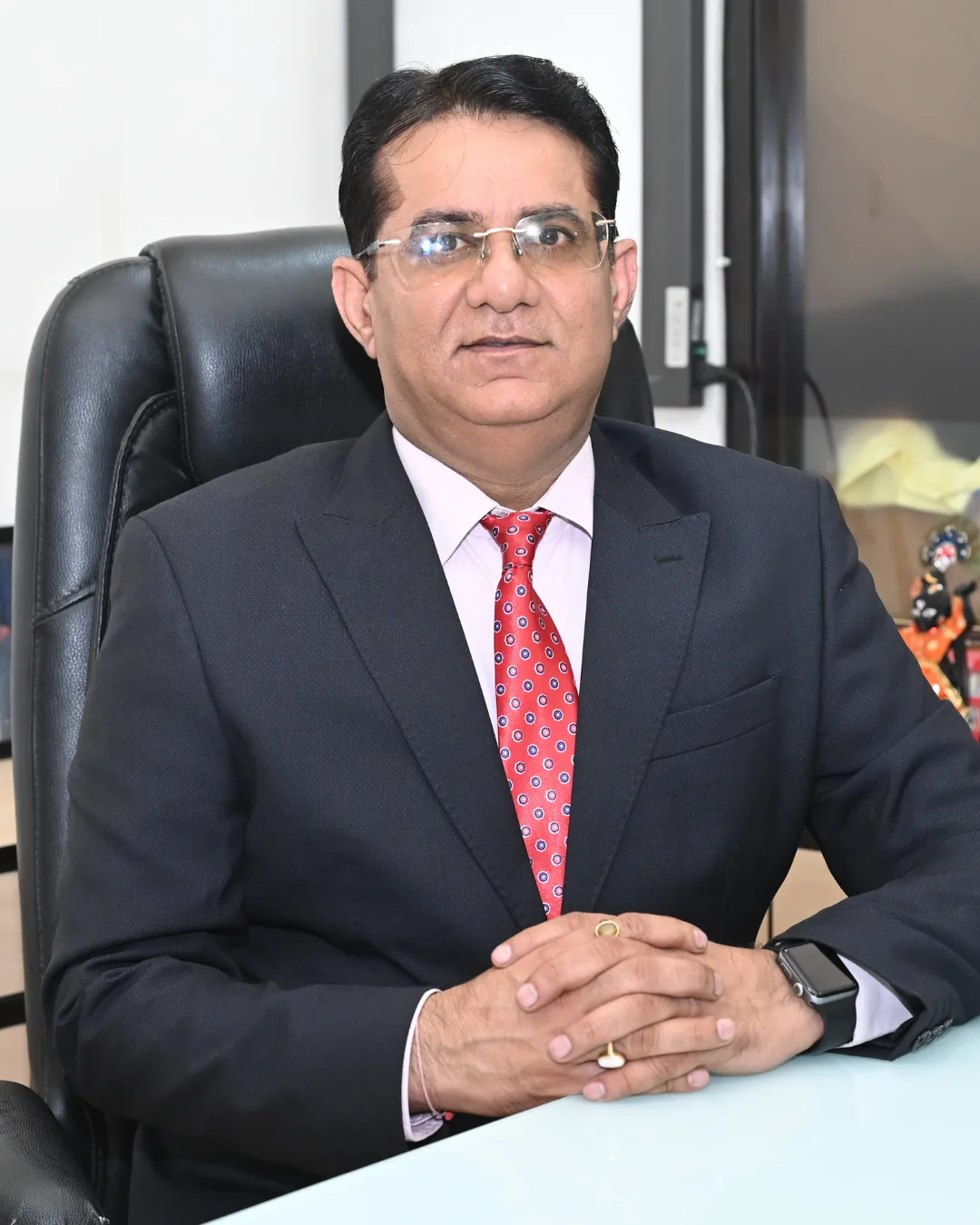
Dr. Avinash Tank, MBBS · MS (General Surgery) · MCh (Surgical Gastroenterology, SGPGIMS)
SGPGIMS (India's premier GI centre) + advanced training in Japan & South Korea. Super-specialist gastrointestinal, bariatric & cancer surgeon treating EUS (Endoscopic Ultrasound) at Dwarika Hospital — Gastro, Bariatric & Laparoscopic Surgery Center.
Proof, not promises
 DWARIKA HOSPITALVerified Patient Story
Verified
DWARIKA HOSPITALVerified Patient Story
Verified 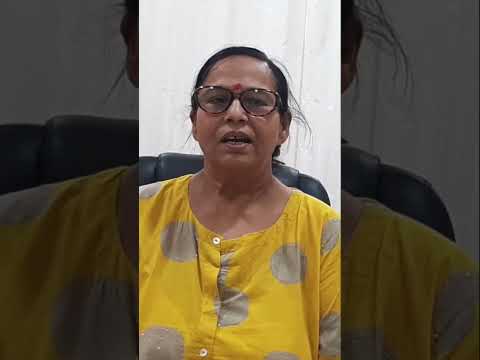
Frequently asked questions
EUS images and biopsies deep structures such as the pancreas and bile duct, and assesses gut-wall tumours — often when other scans are inconclusive.
A fine needle is passed through the endoscope under real-time ultrasound guidance to sample the lesion precisely and safely.
EUS gives much closer, higher-resolution views of the pancreas and allows biopsy, so it complements CT/MRI, especially for small or unclear lesions.
Yes. EUS is a well-established, minimally invasive procedure performed under sedation with a strong safety record in experienced hands.
Super-specialist GI, bariatric & cancer surgeon. SGPGIMS (India's premier GI centre) + advanced training in Japan & South Korea. Read full profile →
Last reviewed: July 2026