

Endoscopic stenting places a small expandable tube to relieve a narrowed or blocked food pipe, bile duct, stomach outlet or bowel — restoring passage, relieving jaundice or allowing eating, often without open surgery.
An expandable tube placed to relieve a blockage
Blocked food pipe, bile duct, stomach outlet or bowel
Rapid relief of jaundice or swallowing/eating problems
Done endoscopically under sedation
What is stenting?
A stent is a small, flexible, self-expanding tube placed endoscopically across a narrowing to hold it open. Stenting restores the normal passage of food, bile or bowel contents and can give rapid relief without the need for open surgery.
What it treats
Stents relieve a food pipe narrowed by a tumour (restoring swallowing), a bile duct blocked by stones or cancer (relieving jaundice), a stomach outlet obstruction (allowing eating) and a blocked colon. They are used both for cure-directed care and for comfort.
What to expect
The stent is positioned during an endoscopic procedure (such as gastroscopy or ERCP) under sedation, with X-ray guidance where needed. Many patients feel relief quickly and can often go home the same day or the next.
How we treat Stenting (Endoscopic)
 Recommended treatment
Stenting
Recommended treatment
Stenting
A self-expanding stent relieves a blocked food pipe, stomach outlet, bile duct or bowel — restoring passage and comfort, often without surgery.
View treatment details →Cashless insurance accepted at our network hospitals, with EMI options available. Every patient gets a written, transparent estimate before any procedure — no surprises.
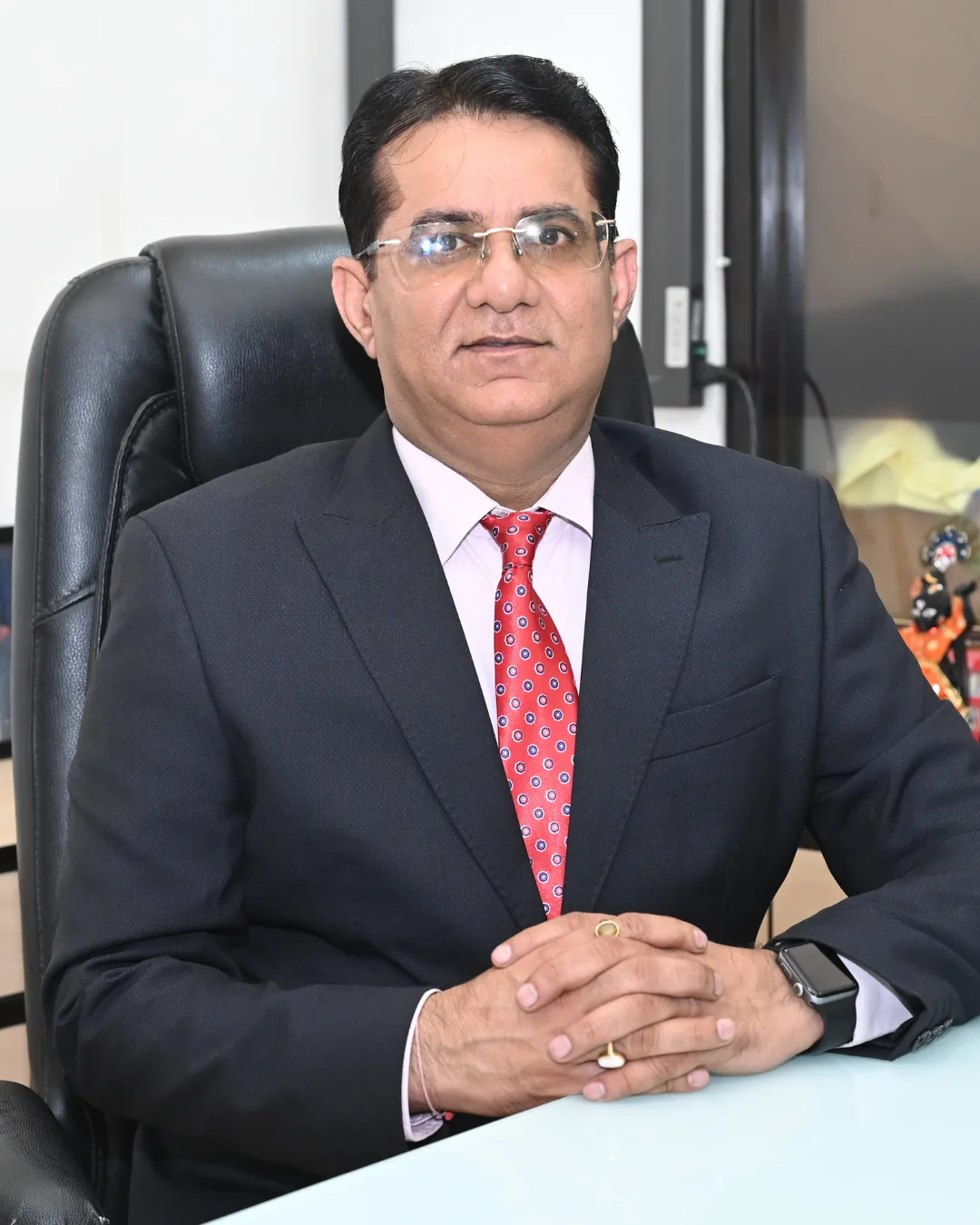
Dr. Avinash Tank, MBBS · MS (General Surgery) · MCh (Surgical Gastroenterology, SGPGIMS)
SGPGIMS (India's premier GI centre) + advanced training in Japan & South Korea. Super-specialist gastrointestinal, bariatric & cancer surgeon treating Stenting (Endoscopic) at Dwarika Hospital — Gastro, Bariatric & Laparoscopic Surgery Center.
Proof, not promises
 DWARIKA HOSPITALVerified Patient Story
Verified
DWARIKA HOSPITALVerified Patient Story
Verified 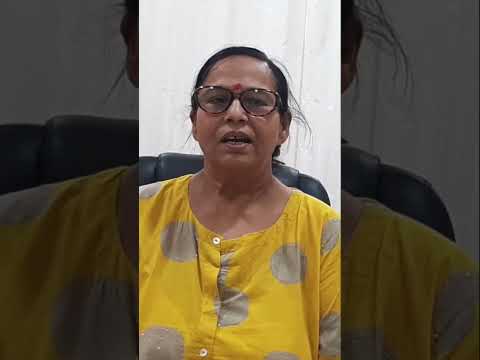
Frequently asked questions
A stent holds open a narrowed passage — such as the food pipe or bile duct — restoring flow and relieving symptoms like jaundice or difficulty swallowing.
Stenting can relieve a blockage without open surgery, either as definitive treatment or as a bridge to surgery and other therapy.
Jaundice and itching usually begin to improve within days of relieving the blockage with a bile-duct stent.
Yes. Depending on the type and purpose, stents can be exchanged or removed endoscopically as part of ongoing care.
Super-specialist GI, bariatric & cancer surgeon. SGPGIMS (India's premier GI centre) + advanced training in Japan & South Korea. Read full profile →
Last reviewed: July 2026