

Fever
Summary: 30 Sec Read
- Introduction
- Definition of fever
- Importance of understanding its causes and prevention
- Symptoms of Fever
- Elevated body temperature
- Associated symptoms like chills, headache, and fatigue
- Causes of Fever
- Infections: Viral, bacterial, parasitic, and fungal
- Inflammatory Conditions
- Emphasis on Gastrointestinal Causes
- Medications and Heat-Related Factors
- Cancers as a potential cause
- Complications if Untreated
- Dehydration
- Febrile Seizures
- Heat-Related Illnesses
- Serious conditions like Meningitis and Septic Shock
- Organ Damage due to prolonged high fever
- Diagnosis of Fever
- Body temperature measurement
- Identifying underlying causes through tests and examinations
- Treatment Options
- Medications and antipyretics
- Antibiotics for bacterial infections
- Importance of fluid replacement
- Rest and addressing underlying conditions
- Home Remedies for Fever
- Staying hydrated
- Rest
- Using cool compresses and warm baths
- Safe use of fever-reducing medications
- When to Consult a Doctor
- Indications for seeking medical advice
- When to Get Emergency Help
- Conditions requiring immediate medical assistance
- Related Conditions
- Hyperthermia
- Hypothermia
- Fever of Unknown Origin (FUO)
- Heat Exhaustion and Heat Stroke
- Prevention of Fever
- Hygiene and handwashing
- Vaccination
- Food safety
- Staying hydrated
- Environmental awareness and heat safety
- Maintaining a healthy lifestyle for immune system support
Introduction
Fever is a common medical symptom characterized by an elevated body temperature, often indicative of an underlying issue. Learn about the causes, symptoms, complications, diagnosis, treatment options, home remedies, and when to seek medical assistance or emergency help for fever-related conditions. Additionally, know about related conditions and effective preventive measures.
Symptoms
Fever manifests with various symptoms, including:
- Elevated body temperature, often measured above 100.4°F (38°C)
- Chills and shivering
- Sweating
- Headache
- Muscle aches
- Fatigue
- Loss of appetite
- Irritability
- Dehydration
Causes
- Infections: Fever is commonly a response to infections such as:
- Viral infections (e.g., cold, flu)
- Bacterial infections (e.g., strep throat)
- Parasitic infections (e.g., malaria)
- Fungal infections (e.g., candidiasis)
- Inflammatory Conditions: Autoimmune disorders and chronic inflammatory diseases (e.g., rheumatoid arthritis, lupus) can trigger fever.
- Gastrointestinal Issues: Gastrointestinal infections and conditions contribute to fever, such as:
- Gastroenteritis (stomach flu)
- Appendicitis
- Inflammatory bowel disease (IBD)
- Pancreatitis
- Cholecystitis
- Medications: Some drugs, like antibiotics and anticonvulsants, can lead to drug-induced fever.
- Heat-Related: Environmental factors like excessive heat or heat stroke can result in fever.
- Cancers: Certain cancers can produce pyrogens (fever-inducing substances), leading to fever.
Complications if Untreated on Time
- Dehydration: High body temperature can cause excessive sweating, leading to fluid loss and dehydration.
- Febrile Seizures: Children with high fever may experience seizures.
- Heat Exhaustion or Stroke: Prolonged fever in hot conditions can result in heat-related illnesses.
- Meningitis: Fever may be a symptom of severe infections like bacterial meningitis.
- Septic Shock: In cases of severe infection, untreated fever can progress to septic shock, a life-threatening condition.
- Organ Damage: Prolonged high fever can harm organs, such as the brain, heart, or liver.
Diagnosis
Fever diagnosis involves:
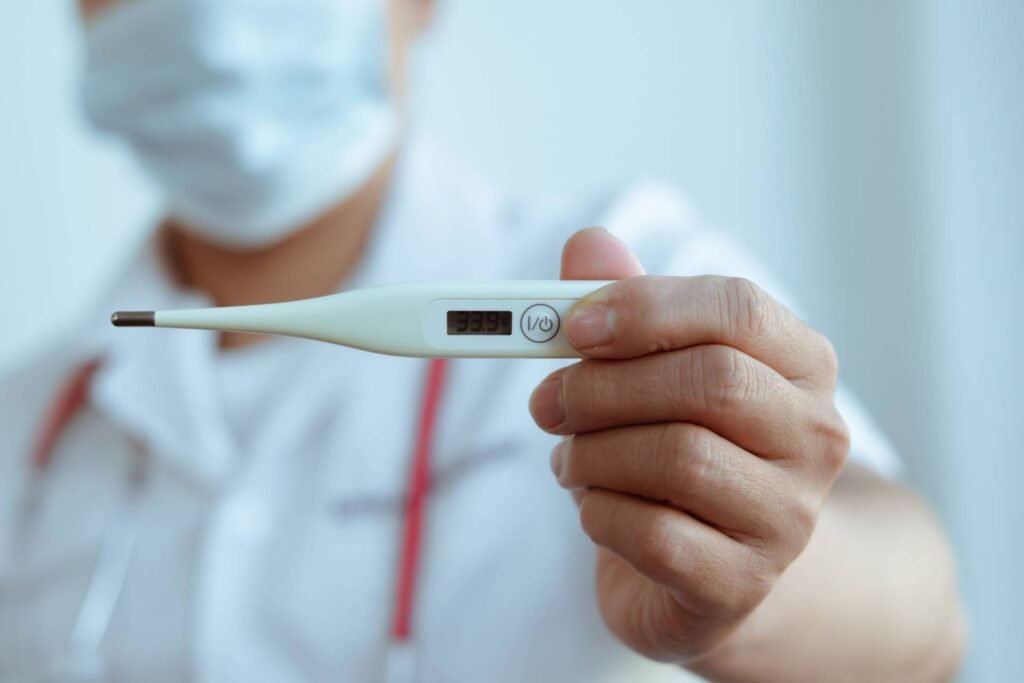
- Measuring body temperature using a thermometer.
- Identifying underlying causes through medical history and physical examination.
- Further tests like blood tests, urine analysis, imaging (X-rays, CT scans), and cultures to pinpoint infections or other contributing factors.
Treatment Options
Treatment aims to address the underlying cause and alleviate symptoms:
- Medications: Antipyretic drugs (e.g., acetaminophen, ibuprofen) help reduce fever and discomfort.
- Antibiotics: If the fever is due to a bacterial infection.
- Fluid Replacement: Hydration is essential, especially in cases of fever-induced dehydration.
- Rest: Adequate rest supports the body’s immune response.
- Treating Underlying Conditions: Managing the root cause, such as antibiotics for bacterial infections or immune-suppressing drugs for autoimmune diseases.
Home Remedies
- Stay Hydrated: Drink water, clear broths, or oral rehydration solutions.
- Rest: Get plenty of rest to aid recovery.
- Cool Compress: Apply a cool, damp cloth to the forehead.
- Warm Bath: A lukewarm bath can help reduce fever.
- Fever-Reducing Medications: Over-the-counter antipyretics like acetaminophen or ibuprofen, following dosage instructions.
When to Consult a Doctor
Medical advice is essential when experiencing:
- High fever (above 104°F or 40°C).
- Fever lasting more than three days.
- Severe headache, neck stiffness, rash, or persistent vomiting.
- Difficulty breathing.
- Seizures.
- Chronic medical conditions.
- Fevers in infants under three months.
- Pregnant individuals with fever.
When to Get Emergency Help
Seek immediate medical assistance for:
- High fever accompanied by confusion, severe headache, chest pain, or shortness of breath.
- Severe dehydration.
- Convulsions or seizures.
- Stiff neck, severe headache, and sensitivity to light.
- Difficulty breathing.
- Persistent vomiting.
- Severe abdominal pain.
- Rash resembling tiny blood spots.
- Chest pain or pressure.
Related Conditions
- Hyperthermia: Elevated body temperature due to heat-related factors.
- Hypothermia: Extremely low body temperature, often caused by prolonged exposure to cold.
- Fever of Unknown Origin (FUO): A persistent fever without a clear cause after extensive evaluation.
- Heat Exhaustion: An intermediate stage between heat-related illnesses, often due to dehydration and high temperatures.
- Heat Stroke: A severe heat-related condition with a dangerously high body temperature, requiring immediate medical attention.
Prevention
- Hygiene: Regular handwashing helps prevent infections.
- Vaccination: Vaccines protect against many infections that cause fever.
- Food Safety: Properly cooking and handling food reduces the risk of gastrointestinal infections.
- Adequate Hydration: Staying hydrated helps the body manage fever effectively.
- Environmental Awareness: Avoiding excessive heat exposure and practicing heat safety in hot weather.
- Healthy Lifestyle: Maintaining a strong immune system through a balanced diet, regular exercise, and sufficient sleep can aid fever prevention.
Conclusion
Fever, a common symptom, often signals an underlying health issue. While it’s frequently caused by infections or inflammation, it’s vital to recognize its potential complications and take timely action.
Managing fever can involve home remedies or medical treatment, depending on its cause and severity. Nevertheless, always consult a healthcare professional if the fever persists or worsens.
Was this article helpful?

Super-specialist GI, bariatric & cancer surgeon. SGPGIMS (India's premier GI centre) + advanced training in Japan & South Korea. Read full profile →
Last reviewed: July 2026






Comments
Be the first to share your thoughts on this article.