

PUNJ SURG 2026 · Association of Surgeons of India, Punjab State Conference
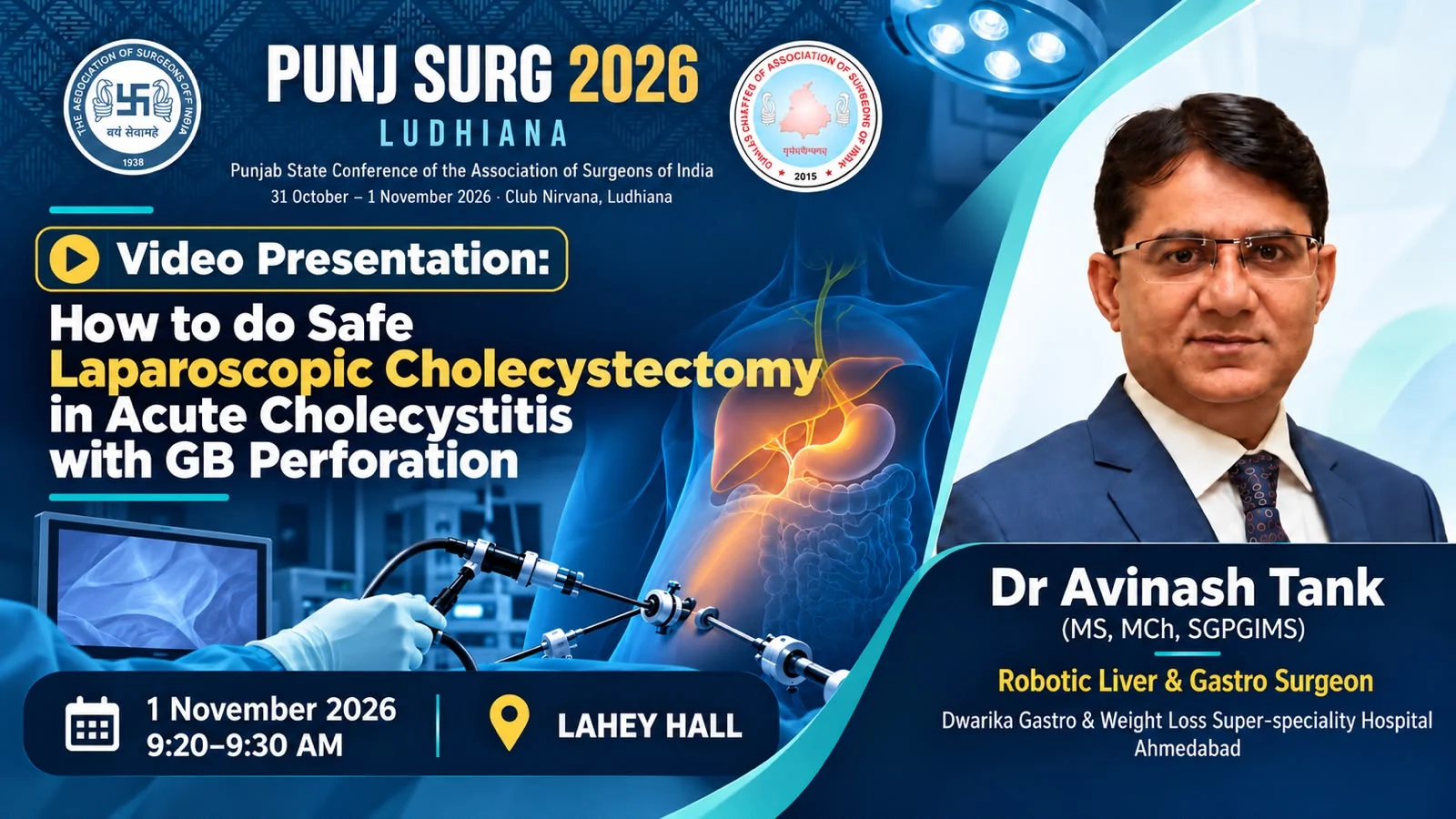
Dr. Avinash Tank Invited Faculty at PUNJ SURG 2026
Dr. Avinash Tank has been invited as faculty at PUNJ SURG 2026, the Punjab State Conference of the Association of Surgeons of India, to be held at Club Nirvana, Ludhiana, from 31 October to 1 November 2026. On 1 November he will give a video presentation on safe laparoscopic cholecystectomy in acute cholecystitis with gallbladder perforation.
Posted by Dr. Avinash Tank ·

Why it matters
A shared platform for safer surgery
PUNJ SURG 2026 is the Punjab State Conference of the Association of Surgeons of India. It will be held at Club Nirvana, Ludhiana, on 31 October and 1 November 2026.
Faculty at a surgeons' conference teach as well as attend: they present cases, techniques and video, take part in panel discussions, and answer questions from fellow surgeons. Dr. Tank's video session will show how laparoscopic gallbladder removal can be carried out safely when the gallbladder is acutely inflamed and has perforated — a situation surgeons meet in everyday emergency practice.
Sharing surgical experience, techniques and outcomes with the wider surgical community.
Academic presentation · Video Presentation
How to do Safe Laparoscopic Cholecystectomy in Acute Cholecystitis with GB Perforation
- Date
- 1 November 2026
- Time
- 9:20–9:30 AM
- Venue
- Lahey Hall, Club Nirvana
- Duration
- 10 minutes
Patient guide
Understanding the topic: acute cholecystitis and gallbladder perforation
Background for patients and families on the condition behind the presentation title. General medical information, not a summary of the session.
What is acute cholecystitis?
Acute cholecystitis is sudden inflammation of the gallbladder, the small pouch under the liver that stores bile. In most people it starts when a gallstone blocks the gallbladder's outlet (the cystic duct). Bile is trapped, the wall swells, and infection can follow.
It is one of the commonest reasons for emergency abdominal surgery. Many patients have had milder episodes of gallstone pain after fatty meals before an attack of cholecystitis.
What does "gallbladder perforation" mean?
If inflammation is severe or treatment is delayed, part of the gallbladder wall can lose its blood supply (gangrene) and break down. The result is a hole in the gallbladder, called perforation. It is an uncommon but serious complication.
- Bile and infection may stay walled off next to the gallbladder as an abscess. This is the most frequent pattern.
- Bile may leak freely into the abdomen and cause peritonitis, which is an emergency.
- Rarely, over time the gallbladder forms an abnormal channel into the bowel (a fistula).
Older age, diabetes, a weakened immune system and delay in seeking care increase the risk. Perforation makes surgery technically harder: tissues are swollen, fragile and stuck together, and the normal anatomy is distorted.
Symptoms and warning signs
Typical acute cholecystitis causes:
- Constant pain in the upper right or upper middle abdomen lasting more than a few hours, sometimes spreading to the right shoulder or back
- Fever, nausea and vomiting
- Tenderness under the right ribs, especially when breathing in
- Loss of appetite and feeling generally unwell
Seek urgent medical care for gallbladder pain with high fever or shivering, pain spreading across the whole abdomen, a rigid or very tender belly, yellow eyes (jaundice), confusion, or low blood pressure. These can mean perforation, spreading infection or a stone in the bile duct.
How it is diagnosed
An abdominal ultrasound is the first test. It shows the stones, a thickened gallbladder wall and fluid around the gallbladder. Blood tests (white cell count, CRP and liver function tests) show how much inflammation is present and whether the bile duct is affected.
When a complication such as perforation or an abscess is suspected, a CT scan maps the area. MRCP or endoscopic ultrasound is used if a stone in the main bile duct is suspected. Doctors also grade severity (mild, moderate or severe), which guides timing and type of treatment.
Treatment
Treatment begins in hospital with intravenous fluids, pain relief and antibiotics. For most patients who are fit for an operation, current guidance favours removing the gallbladder laparoscopically during the same admission, ideally early in the illness, rather than waiting weeks.
- Laparoscopic cholecystectomy: removal of the gallbladder through small incisions with a camera. It is the standard operation, including for many complicated cases in experienced hands.
- Drainage of any abscess or leaked bile, and sometimes a temporary drain after surgery.
- Percutaneous cholecystostomy: a tube placed through the skin to drain the gallbladder in patients too unwell for surgery. The gallbladder is removed later.
- ERCP when a stone is also blocking the main bile duct.
Occasionally a laparoscopic operation is converted to an open one, or the surgeon removes only part of the gallbladder. These are deliberate safety decisions when inflammation makes the anatomy unclear, not failures.
What "safe" laparoscopic cholecystectomy means
The most feared complication of gallbladder surgery is injury to the main bile duct. Inflamed or perforated gallbladders raise that risk because the tissues are swollen and the structures are hard to see. Surgeons use widely taught principles to keep the operation safe:
- Achieving the "critical view of safety": clearly identifying the only two structures entering the gallbladder before anything is cut
- Recognising when anatomy cannot be identified safely and changing plan rather than pressing on
- Using recognised "bail-out" options, such as subtotal cholecystectomy, or converting to open surgery, when needed
- Draining infection and leaving a drain where appropriate
- Operating in a centre with the imaging, endoscopy and intensive-care support that complicated cases may need
Teaching these techniques to fellow surgeons, often with operative video, is a regular part of surgical conferences.
Recovery
After an uncomplicated laparoscopic operation most people go home within one to two days. After cholecystitis with perforation, recovery is usually longer and depends on the degree of infection: antibiotics may continue for several days, a drain may stay in for a short time, and follow-up scans may be needed. People live normally without a gallbladder.
Key takeaways
- Acute cholecystitis is sudden inflammation of the gallbladder, usually caused by a gallstone blocking its outlet.
- Perforation is an uncommon but serious complication, more likely with diabetes, older age or delayed treatment.
- Gallbladder pain lasting hours with fever, jaundice or spreading abdominal pain needs urgent care.
- Most fit patients are best treated by laparoscopic gallbladder removal during the same admission.
- Safe surgery depends on clearly identifying the anatomy, and on changing plan when it cannot be identified.
Questions patients ask
Can acute cholecystitis settle with antibiotics alone?
Antibiotics often calm an attack, but the gallstones remain and attacks tend to recur, sometimes more severely. For most patients who are fit for surgery, removing the gallbladder during the same admission is recommended.
Is laparoscopic surgery possible if the gallbladder has perforated?
Often, yes, in experienced hands, together with drainage of any infection. Sometimes surgeons convert to open surgery or remove only part of the gallbladder when that is the safer choice.
How serious is gallbladder perforation?
It is a serious complication that needs prompt treatment in hospital, because infection can spread through the abdomen. Early diagnosis and treatment improve outcomes.
Who is at higher risk of complications?
Older people, people with diabetes or reduced immunity, and anyone whose symptoms have gone on for several days before treatment.
How long is recovery after surgery for cholecystitis?
Usually one to two days in hospital after a straightforward laparoscopic operation; longer after a perforation, depending on how much infection was present.
Read next
This guide is general information and does not replace a personal consultation. If you have symptoms, please see a doctor.
Conference details
- Event
- PUNJ SURG 2026 — Punjab State Conference of the Association of Surgeons of India
- Dates
- 31 October – 1 November 2026 · Conference
- Venue
- Club Nirvana, Ludhiana, Punjab
- Role
- Invited Faculty
- Presentation
- How to do Safe Laparoscopic Cholecystectomy in Acute Cholecystitis with GB Perforation
Video Presentation · 1 November 2026 · 9:20–9:30 AM · Lahey Hall
In the media
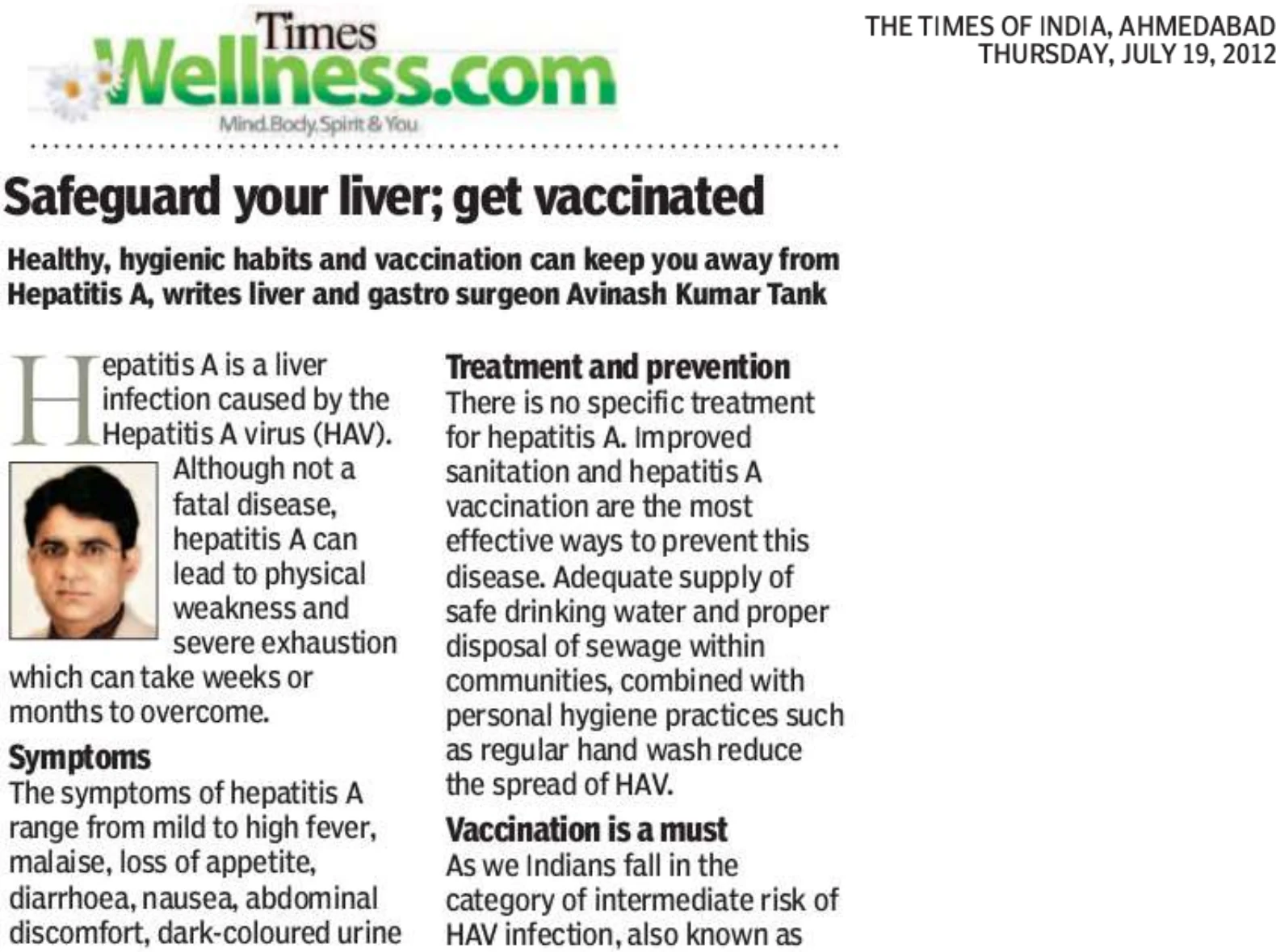
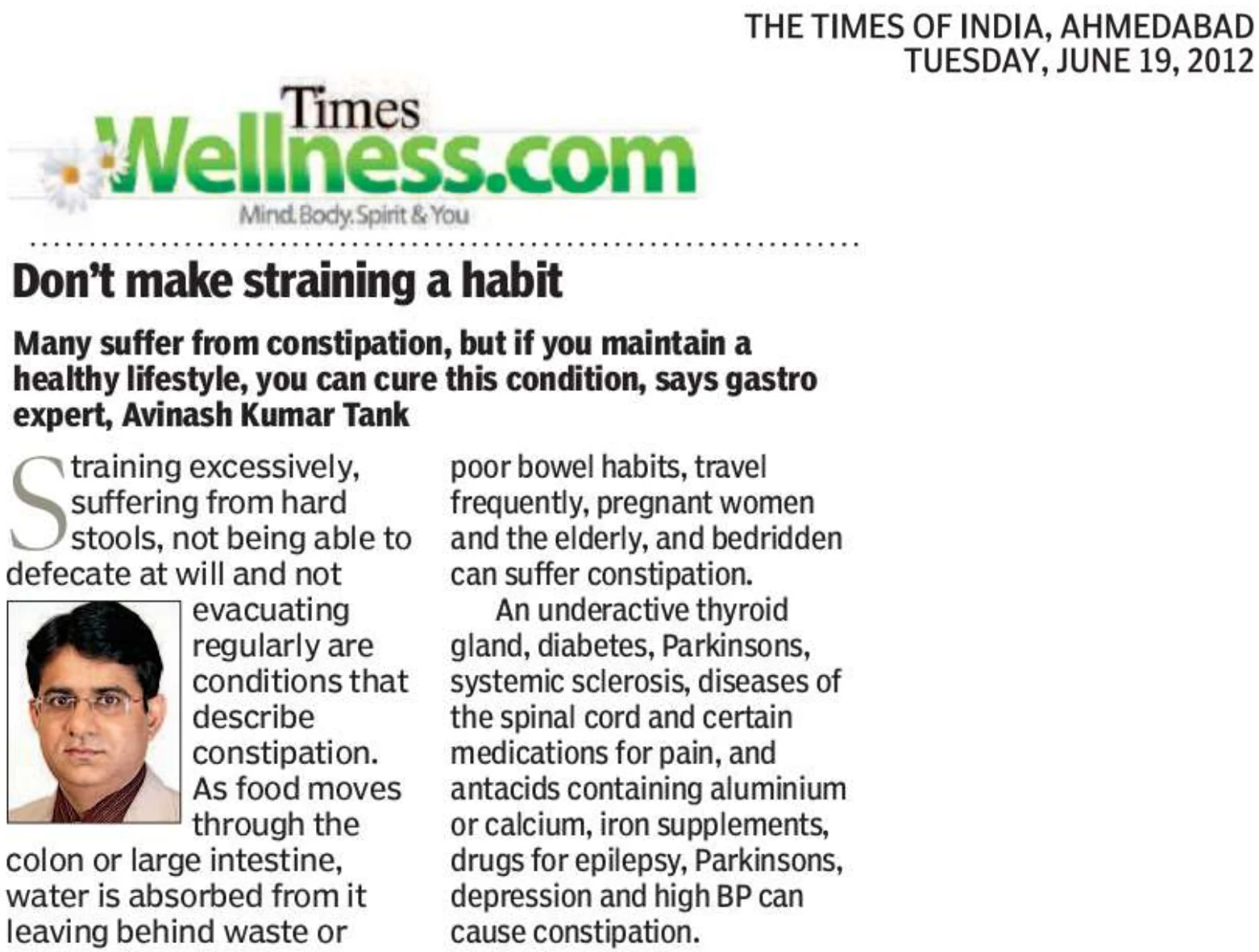
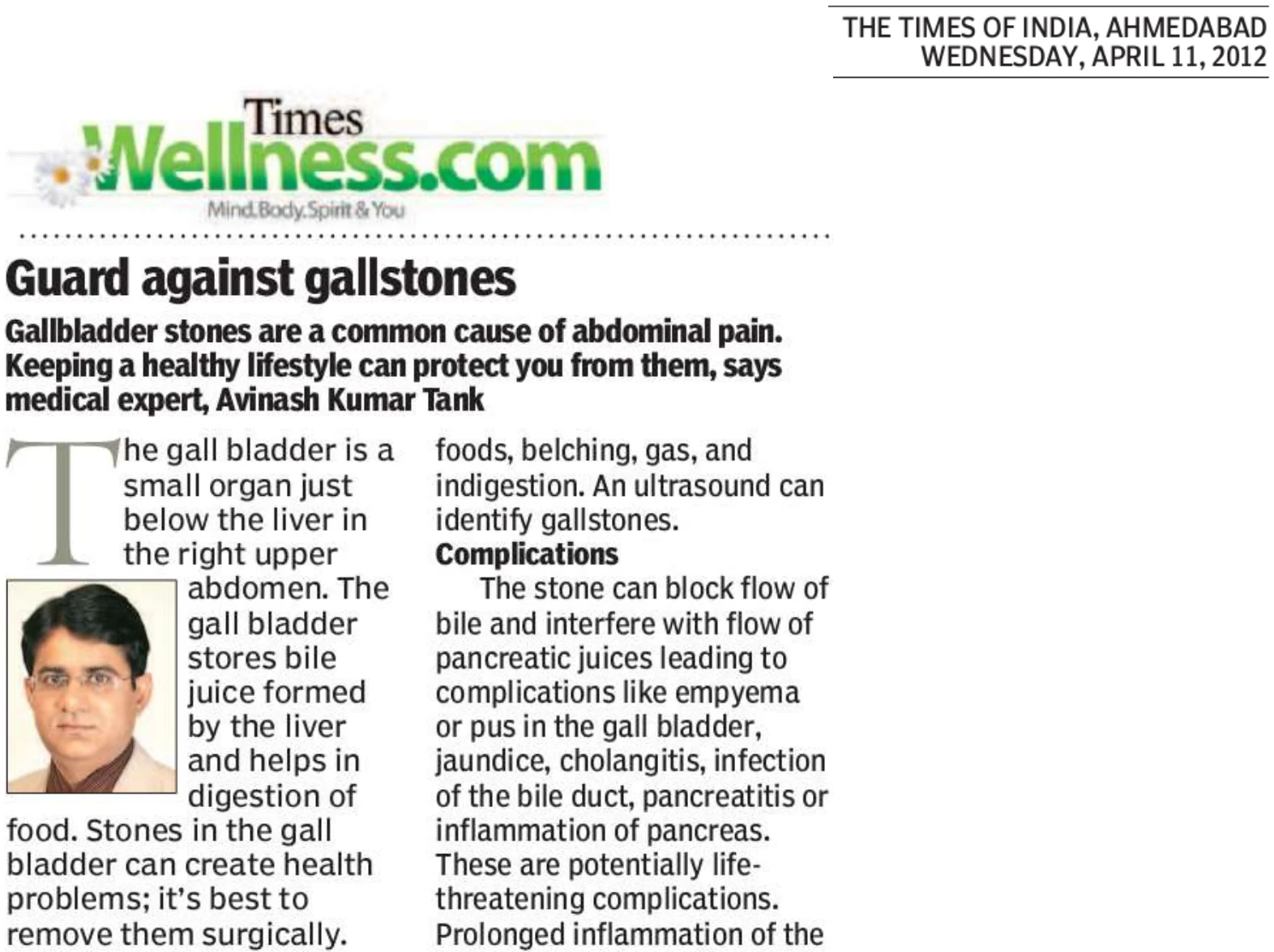
More from Dr. Avinash Tank in the press
The surgeon
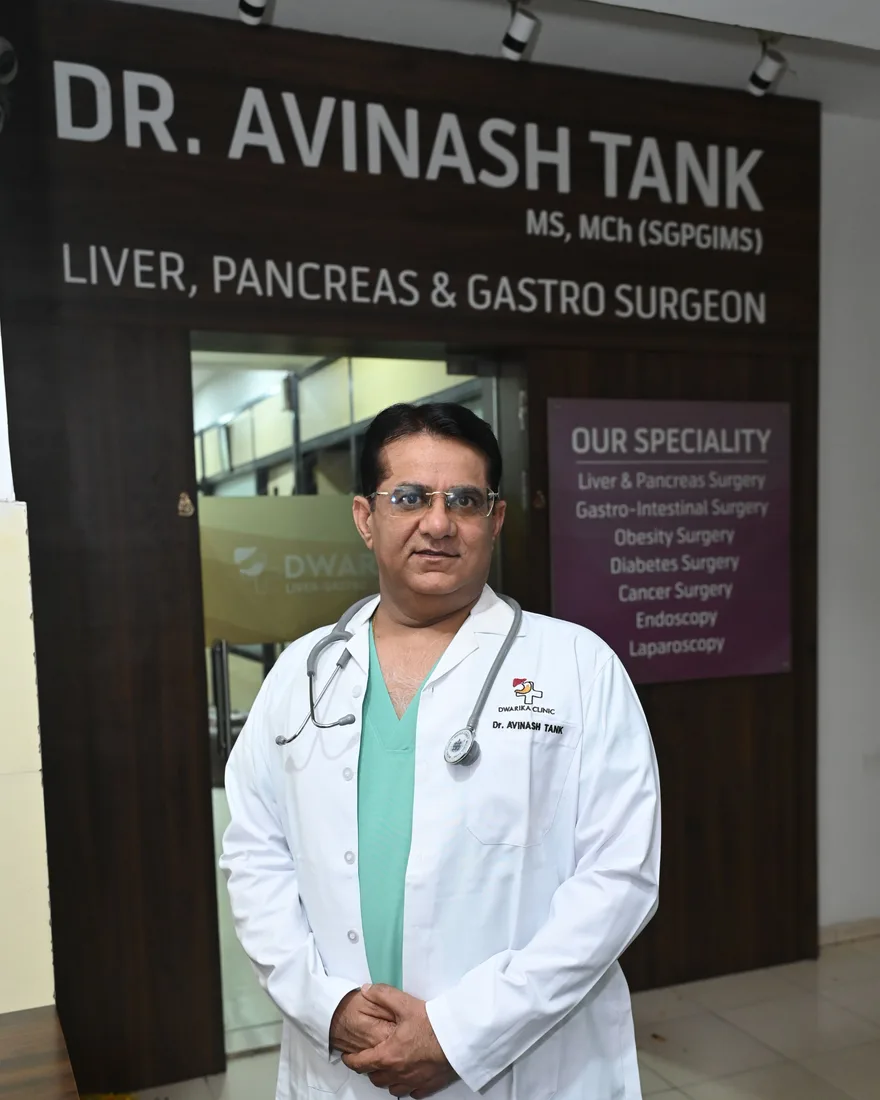
Dr. Avinash Tank
MBBS · MS (General Surgery) · MCh (Surgical Gastroenterology, SGPGIMS)
Bariatric, Gastro & Laparoscopic Surgeon · Dwarika Hospital — Gastro, Bariatric & Laparoscopic Surgery Center, Ahmedabad
He treats gallbladder, hernia, liver, pancreatic and gastrointestinal conditions and performs bariatric and metabolic surgery, with a focus on laparoscopic techniques — the same field he teaches at surgical meetings such as PUNJ SURG 2026.
Have a question about digestive, liver or GI health?
Get a clear, personalised answer from Dr. Avinash Tank and the clinical team — confidentially, with same-week slots.