

Title: Unraveling the Complex Causes of Overweight in the Current Scenario
Introduction
In recent years, the prevalence of overweight individuals has reached alarming levels worldwide, making it a significant global health concern.
Overweight not only affects physical health but also has profound implications on mental well-being and quality of life.
While achieving a healthy weight is often considered a simple equation of balancing calories in and calories out, the underlying causes of overweight are far more complex.
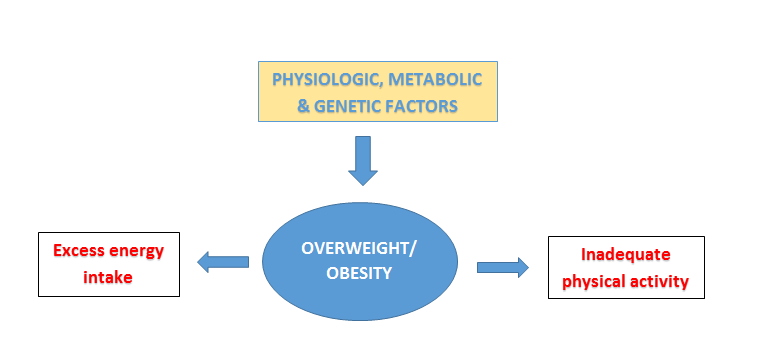
In this blog article, we will delve into the multifaceted factors contributing to the rising rates of overweight in the current scenario, including lifestyle choices, environmental influences, genetic predisposition, physiologic and metabolic factors, as well as psychological and cultural aspects.
- Lifestyle
Modern lifestyles have undergone significant changes, driven by technological advancements and evolving societal norms.
Sedentary behaviors, such as excessive screen time, desk-bound jobs, and reduced physical activity, have become increasingly common.
Additionally, the prevalence of fast-food chains and easily accessible processed foods has led to a rise in calorie-dense, nutrient-poor diets.
The culture of convenience, where highly processed and unhealthy food options are readily available, has played a major role in promoting unhealthy eating habits.
- Environment
The current environment significantly shapes our eating and activity patterns. Urbanization has resulted in increased reliance on motorized transportation, reducing opportunities for walking or cycling.
Moreover, urban planning that lacks accessible green spaces and safe recreational areas hinders regular physical activity.
In certain areas, limited access to fresh produce and whole foods further exacerbates unhealthy dietary choices.
- Genetic Predisposition
Genetics also contribute to an individual’s susceptibility to overweight. Some people may inherit certain genes that influence their metabolism, fat storage, and appetite regulation.
While genetic predisposition doesn’t guarantee overweight, it can interact with other factors, such as lifestyle and environment, to increase the risk.
- Physiologic and Metabolic Factors
Various physiological and metabolic factors can play a role in the development of overweight.
Hormonal imbalances, such as insulin resistance and leptin resistance, can disrupt the body’s ability to regulate appetite and fat storage.
Certain medical conditions, such as polycystic ovary syndrome (PCOS) and hypothyroidism, can also contribute to weight gain.
- Psychological Factors
Emotional and psychological aspects are intimately linked to eating behaviours.
Stress, anxiety, depression, and other mood disorders can lead to emotional eating, where individuals turn to food for comfort or coping mechanisms.
Moreover, negative body image and low self-esteem may impact an individual’s relationship with food and body weight.
- Cultural Influences
Cultural norms and practices can significantly impact dietary preferences and physical activity patterns.
Traditional celebrations often revolve around large, indulgent meals, which may contribute to overeating.
Additionally, some cultures may prioritize certain body types, associating them with beauty or success, which could lead to unhealthy weight management practices.
Conclusion
The causes of overweight in the current scenario are multifactorial and complex, involving a combination of lifestyle choices, environmental factors, genetic predisposition, physiological and metabolic influences, psychological aspects, and cultural influences.
Understanding these interconnected factors is crucial for developing effective strategies to combat overweight and its associated health risks.
Addressing overweight requires a comprehensive approach that includes public health interventions, education on healthy eating habits and physical activity, urban planning that promotes active lifestyles, and increased awareness about the impact of psychological and cultural factors on weight management.
By fostering a society that values and supports healthy lifestyles, we can work towards a healthier, happier, and more resilient future for all.
Was this article helpful?

Super-specialist GI, bariatric & cancer surgeon. SGPGIMS (India's premier GI centre) + advanced training in Japan & South Korea. Read full profile →
Last reviewed: July 2026





Comments 1
Very informative blog post Keep writing