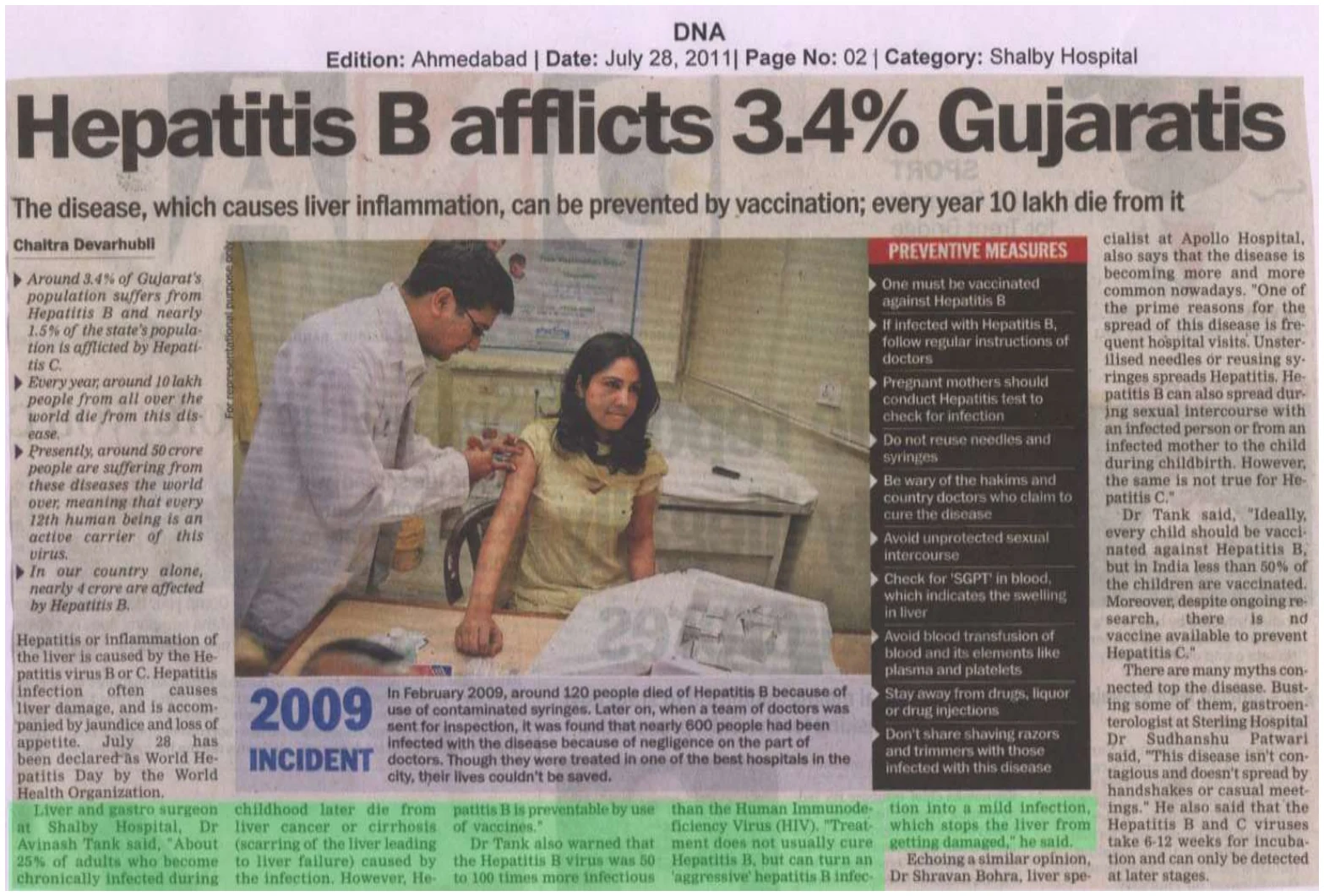
Vomiting blood, black stools, confusion, deep jaundice
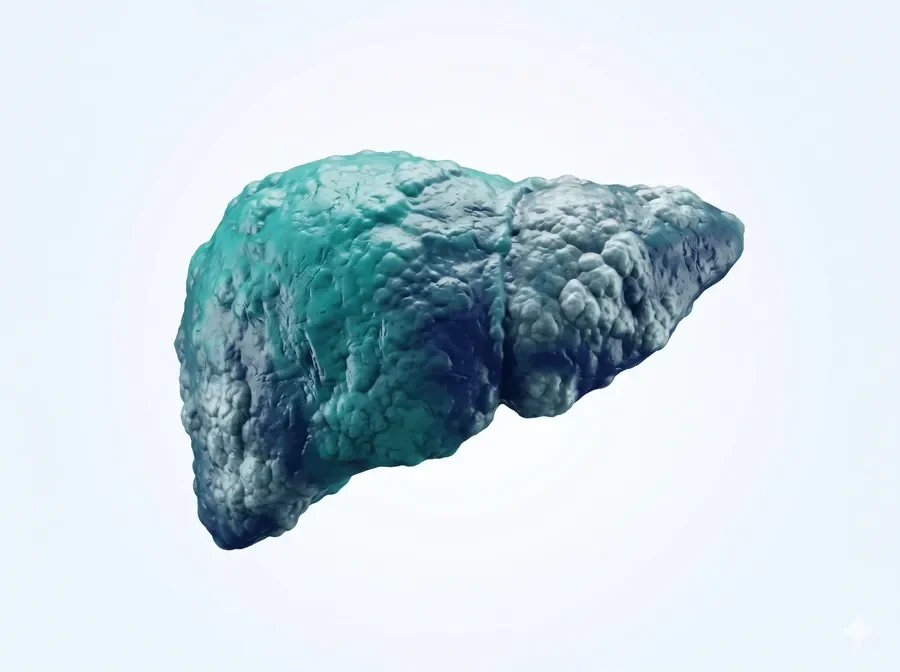
Cirrhosis is advanced, long-term scarring of the liver caused by ongoing damage such as hepatitis, fatty liver or alcohol. Management focuses on treating the cause, preventing complications, and screening for liver cancer; advanced disease may need transplantation assessment.
Advanced scarring (fibrosis) of the liver
Hepatitis B/C, fatty liver, alcohol, autoimmune disease
Abnormal liver tests, jaundice, swelling, or known liver disease
Vomiting blood, black stools, confusion, deep jaundice
What is cirrhosis?
Cirrhosis is the end stage of many chronic liver diseases, in which healthy tissue is gradually replaced by scar tissue. This scarring stiffens the liver and impairs its function and blood flow. Early (compensated) cirrhosis may cause few symptoms, while advanced (decompensated) cirrhosis causes serious complications.
Symptoms & causes
Early cirrhosis is often silent or causes tiredness and mild abnormal liver tests. As it advances it can cause jaundice, fluid in the abdomen (ascites), leg swelling, easy bruising, confusion and bleeding. The leading causes are hepatitis B and C, fatty liver disease, alcohol and autoimmune conditions.
Diagnosis
Cirrhosis is assessed with blood tests, ultrasound and elastography (a scan that measures liver stiffness), with CT or MRI when needed. Because cirrhosis raises the risk of liver cancer, regular surveillance scanning is an essential part of care.
Treatment & surgical role
Treatment centres on tackling the cause (for example antiviral therapy, weight loss, or stopping alcohol) and managing complications such as ascites and variceal bleeding, which can be controlled endoscopically. A surgical gastroenterologist is involved in screening for and treating liver cancer and in transplantation assessment for advanced disease.
GERD (gastro-esophageal reflux disease) is the backflow of stomach acid into th…
Liver CancerLiver cancer is a malignant tumour arising in the liver, often on a background …
Gastroscopy (Upper GI Endoscopy)Gastroscopy is a quick, sedated examination of the food pipe, stomach and duode…
How we treat Cirrhosis of the Liver
See every procedure Dr. Avinash Tank offers in Ahmedabad and how each one is performed.
View all services →Cashless insurance accepted at our network hospitals, with EMI options available. Every patient gets a written, transparent estimate before any procedure — no surprises.

Dr. Avinash Tank, MBBS · MS (General Surgery) · MCh (Surgical Gastroenterology, SGPGIMS)
SGPGIMS (India's premier GI centre) + advanced training in Japan & South Korea. Super-specialist gastrointestinal, bariatric & cancer surgeon treating Cirrhosis of the Liver at Dwarika Hospital — Gastro, Bariatric & Laparoscopic Surgery Center.
Proof, not promises
 DWARIKA HOSPITALPatient Education

More on Cirrhosis of the Liver
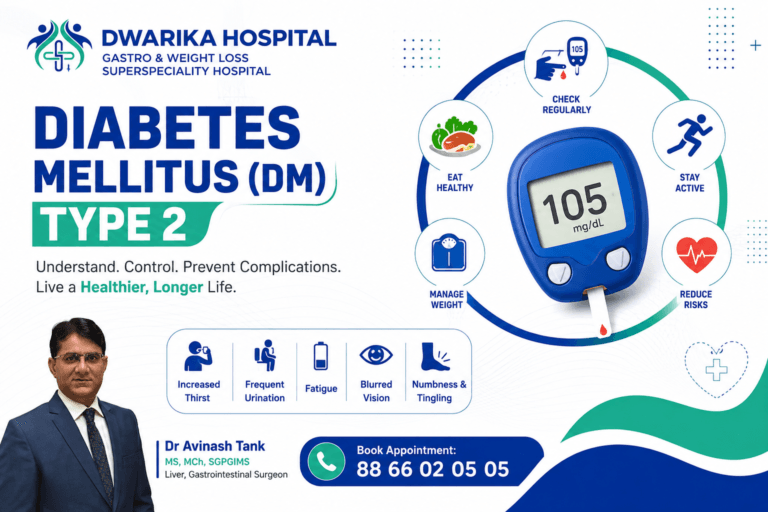 DiabeticType 2 Diabetes: What It Is, Why It Happens, and How to Control It
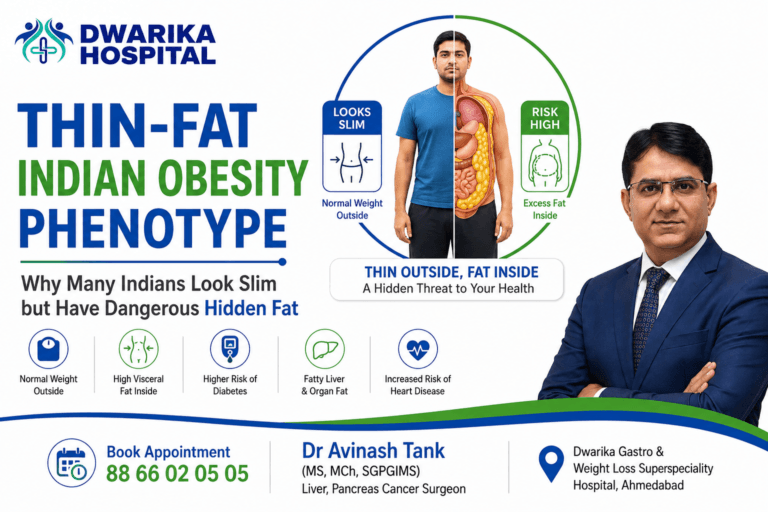 ObesityWhy Many Indians Look Slim but Have Dangerous Hidden Fat
UncategorizedMetabolic Surgery and Type 2 Diabetes Remission: The Evidence
ObesityWhy Many Indians Look Slim but Have Dangerous Hidden Fat
UncategorizedMetabolic Surgery and Type 2 Diabetes Remission: The Evidence
Frequently asked questions
Established scarring is usually permanent, but treating the underlying cause early can halt progression and, in some cases, allow partial recovery of liver function.
Cirrhosis significantly raises the risk of liver cancer, so six-monthly surveillance scans help catch any tumour early, when it is still curable.
Vomiting blood, black stools, marked abdominal swelling, deep jaundice or confusion are warning signs that need urgent medical attention.
Transplantation is assessed when cirrhosis becomes advanced (decompensated) or when liver cancer develops within criteria that make transplant the best option.
Super-specialist GI, bariatric & cancer surgeon. SGPGIMS (India's premier GI centre) + advanced training in Japan & South Korea. Read full profile →
Last reviewed: July 2026