

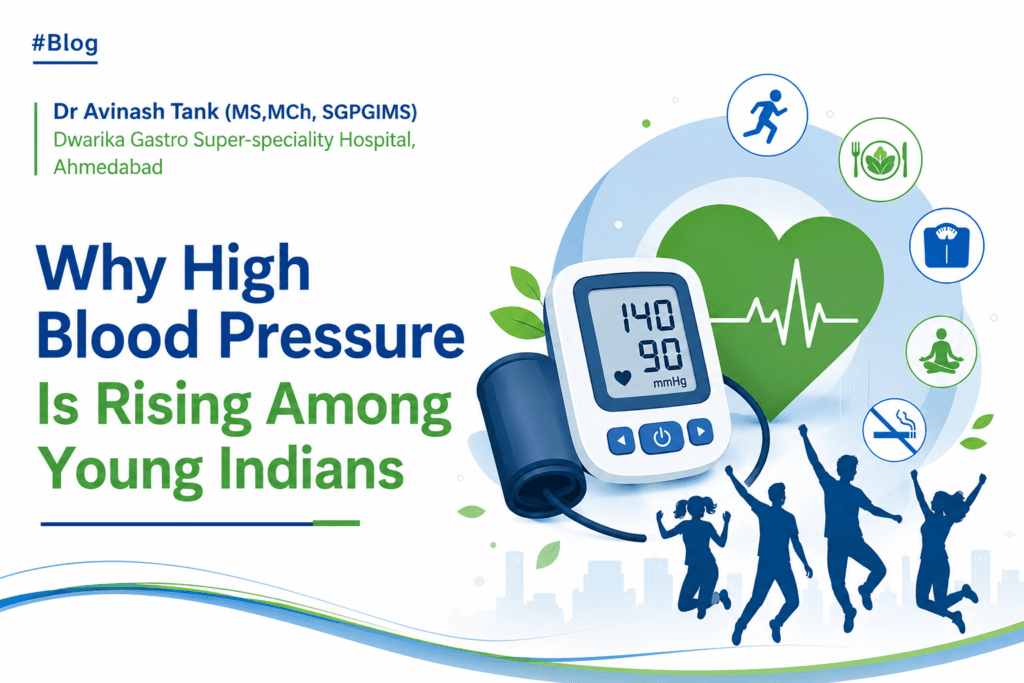
World Hypertension Day: Why High Blood Pressure Is Rising Among Young Indians — And How We Can Prevent It
Every year on 17th May, the world observes World Hypertension Day to increase awareness about high blood pressure, commonly called hypertension. Traditionally considered a disease of older adults, hypertension is now increasingly affecting young adults, teenagers, and even children in India.
The modern Indian lifestyle — fast food, stress, poor sleep, obesity, screen addiction, physical inactivity, smoking, vaping, alcohol consumption, and rising mental health issues — has created a silent epidemic. Many young Indians today are developing high blood pressure before the age of 30.
The most dangerous fact is this: hypertension usually produces no symptoms until serious complications occur. That is why it is often called the “Silent Killer.”
Recent reports from India show a concerning rise in hypertension among people aged 20–40 years.
What Is Hypertension?
Hypertension means persistently elevated pressure inside the blood vessels.
According to the World Health Organization:
- Normal blood pressure is generally below 120/80 mmHg
- Hypertension is usually diagnosed when blood pressure repeatedly measures:
- 140/90 mmHg or higher
Blood pressure is written as:
- Systolic BP → pressure when the heart beats
- Diastolic BP → pressure when the heart relaxes
Even mildly elevated blood pressure over many years can damage:
- Heart
- Brain
- Kidneys
- Eyes
- Blood vessels
Why Hypertension in Young Indians Is a Major Concern
India is experiencing a rapid lifestyle transition.
Urbanization, sedentary jobs, processed foods, excessive salt intake, poor sleep, and chronic stress are now affecting younger populations.
A national Indian survey found that:
- About 28.5% of adults in India are hypertensive
- Urban populations have higher prevalence
- Awareness and treatment rates remain poor
But the more alarming trend is the increasing burden among younger people.
A study from Kerala involving adults aged 20–39 years found:
- 11.2% already had hypertension
- 33.3% had prehypertension
- Young men were especially affected
- Awareness and treatment rates were very low
This means millions of young Indians may already have silent blood vessel damage without knowing it.
Hypertension Is No Longer Limited to Adults
One of the biggest public health warnings today is the rise of hypertension in children and adolescents.
A systematic review and meta-analysis from India found:
- Hypertension prevalence in Indian children and adolescents: 7%
- Prehypertension prevalence: 10%
- Rates have increased significantly after 2005
Another nationally representative Indian analysis highlighted that adolescent hypertension is becoming an emerging public health concern.
This is deeply worrying because high blood pressure beginning in childhood often continues into adulthood, increasing the lifelong risk of:
Why Are Young Indians Developing Hypertension Earlier?
1. Rising Obesity in Children and Young Adults
India is simultaneously facing:
- Undernutrition in some populations
- Obesity epidemic in urban populations
Excess body fat increases:
- Insulin resistance
- Inflammation
- Hormonal imbalance
- Salt sensitivity
- Stress on the heart
Abdominal obesity is strongly linked with hypertension in young Indians.
2. High Salt and Processed Food Consumption
Many Indian diets contain excessive hidden salt through:
- Chips
- Instant noodles
- Fast food
- Bakery products
- Pickles
- Namkeen
- Packaged snacks
- Restaurant foods
High sodium intake causes water retention and increases blood pressure.
The WHO recommends limiting salt intake to less than 5 grams per day, but many Indians consume much more than this.
3. Physical Inactivity and Screen Addiction
Children today spend more time:
- On smartphones
- Watching OTT platforms
- Gaming
- Using computers
Less outdoor activity means:
- Weight gain
- Poor cardiovascular fitness
- Higher stress hormones
- Poor sleep quality
Sedentary behavior directly contributes to hypertension risk.
4. Chronic Stress and Competitive Lifestyle
Academic pressure, career anxiety, financial stress, social media comparison, and work burnout are major contributors in Indian youth.
Stress activates the sympathetic nervous system, leading to:
- Increased heart rate
- Blood vessel constriction
- Elevated blood pressure
Urban stress-related hypertension is rapidly increasing in India.
5. Poor Sleep Habits
Late-night mobile use and irregular sleep are major modern risk factors.
Poor sleep increases:
- Cortisol
- Adrenaline
- Inflammation
- Blood pressure
Doctors across India are now reporting hypertension even in young adults in their 20s and 30s associated with poor sleep habits.
6. Smoking, Vaping, Alcohol, and Substance Abuse
Nicotine causes:
- Blood vessel constriction
- Increased heart rate
- Elevated blood pressure
Vaping is often falsely considered safe, but nicotine exposure still affects cardiovascular health.
Alcohol and recreational substances further worsen hypertension risk.
7. Family History and Genetics
If parents have hypertension, children carry increased risk.
However, genetics alone does not determine destiny.
Lifestyle choices strongly influence whether hypertension develops.
Symptoms Young People Should Never Ignore
Many young individuals have no symptoms at all.
However, warning signs may include:
- Frequent headaches
- Dizziness
- Fatigue
- Palpitations
- Blurred vision
- Nosebleeds
- Chest discomfort
- Anxiety-like symptoms
Unfortunately, many cases are detected only during:
- Medical checkups
- Surgery evaluations
- Fitness assessments
- Pregnancy examinations
- Emergency hospitalization
Long-Term Complications of Early Hypertension
When hypertension begins at a young age, blood vessels remain under stress for decades.
This dramatically increases lifetime risk of:
- Heart attack
- Stroke
- Heart failure
- Kidney failure
- Retinal damage
- Erectile dysfunction
- Cognitive decline
India is already witnessing increasing cardiovascular disease burden in younger populations.
How Can Young Indians Prevent Hypertension?
1. Maintain Healthy Body Weight
Even 5–10% weight reduction can significantly lower blood pressure.
Focus on:
- Waist circumference
- BMI
- Fat percentage
- Physical fitness
2. Reduce Salt Intake
Simple steps:
- Avoid extra table salt
- Reduce packaged snacks
- Limit processed foods
- Read sodium labels
- Eat home-cooked meals more often
3. Exercise Daily
Children and adults should engage in regular physical activity.
Recommended:
- Brisk walking
- Cycling
- Running
- Swimming
- Sports
- Yoga
- Strength training
Aim for:
- At least 150 minutes weekly for adults
- At least 60 minutes daily for children and adolescents
4. Improve Sleep Quality
Healthy sleep habits:
- Fixed bedtime
- Avoid screens before sleep
- Limit caffeine at night
- Sleep 7–8 hours
- Dark and quiet bedroom
Good sleep is one of the most underrated treatments for blood pressure control.
5. Control Stress
Stress management techniques:
- Meditation
- Yoga
- Deep breathing
- Nature exposure
- Family interaction
- Limiting social media overload
Mental health and cardiovascular health are deeply connected.
6. Avoid Tobacco and Vaping Completely
There is no safe level of nicotine exposure.
Prevention must begin during adolescence itself.
7. Encourage Regular BP Screening
Young adults often assume they are “too young” for hypertension.
This misconception is dangerous.
Blood pressure should be checked:
- At least once yearly after age 18
- Earlier if obese or with family history
Schools and colleges should also promote awareness programs.
The Role of Parents, Schools, and Society
Preventing hypertension in young Indians is not only an individual responsibility.
Families, schools, healthcare systems, and policymakers all play important roles.
India needs:
- Better school nutrition
- More playgrounds
- Reduced junk food marketing
- Health education
- Mental health support
- Routine health screening
Healthy habits formed during childhood can prevent decades of disease later.
World Hypertension Day Message for India
On this World Hypertension Day, the message is clear:
“Know Your Numbers Before Hypertension Knows You.”
Young Indians must understand that:
- High blood pressure is no longer an old-age disease
- Prevention must begin early
- Lifestyle changes are powerful medicine
- Early diagnosis can save lives
The future health of India depends greatly on the health of its younger generation.
References
- WHO India – Hypertension
- PubMed – Prevalence of Hypertension among Children and Adolescents in India
- PubMed – Hypertension in Young Adults in Kerala, India
- PubMed – REAL YOUNG Hypertension Study India
- Journal of Human Hypertension – Adolescent Hypertension in India
- ICMR-NCDIR Survey Report via Indian Express
Super-specialist GI, bariatric & cancer surgeon. SGPGIMS (India's premier GI centre) + advanced training in Japan & South Korea. Read full profile →
Last reviewed: July 2026




Comments
Be the first to share your thoughts on this article.