

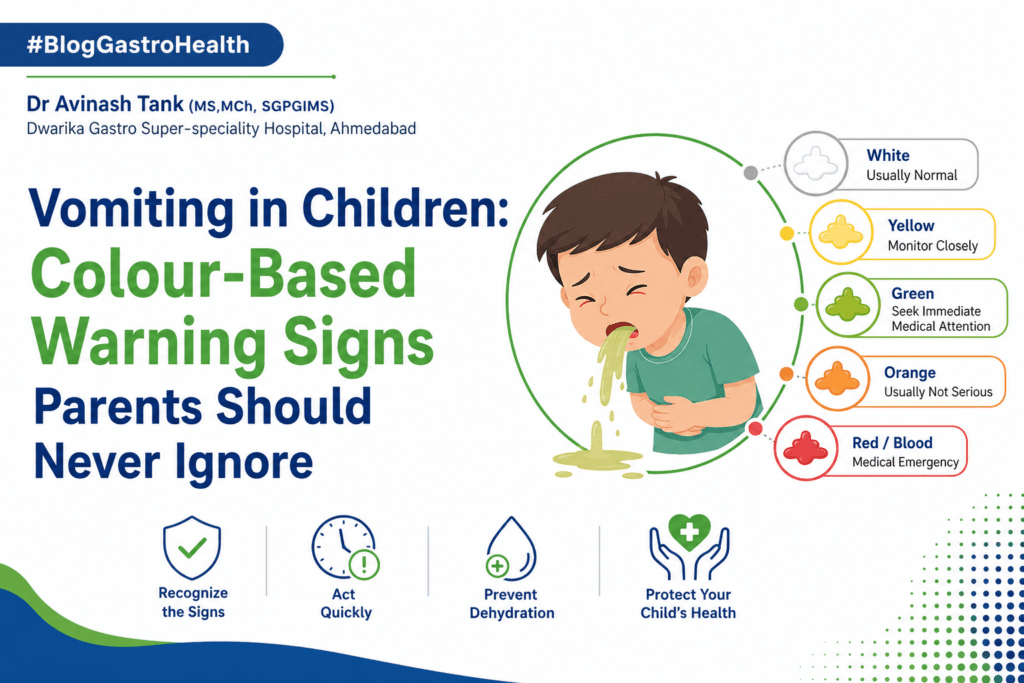
Vomit Color Guides For Sick Kids. Vomiting in Children: Colour-Based Warning Signs Parents Should Never Ignore.
Vomiting in children is one of the most common reasons parents rush to a doctor or emergency room.
In many cases, vomiting is caused by mild stomach infections, overeating, motion sickness, or indigestion. However, sometimes the colour of vomit can provide an important clue about a serious medical problem that requires immediate attention.
Parents often search online for terms like baby vomit color chart, child vomiting green liquid, or dangerous vomiting in kids because the appearance of vomit can be frightening and confusing. Knowing which colours are normal and which colours are dangerous can help parents take the right action at the right time.
This comprehensive guide explains the meaning of different vomit colours in babies and children, the possible causes, warning signs, treatment options, and when to seek urgent medical help.
Why Vomit Colour Matters in Children
Vomiting is not a disease itself. It is a symptom caused by irritation of the stomach, intestines, brain, or other body systems.
The colour, smell, frequency, and contents of vomit often help doctors identify the underlying cause.
For example:
- White vomit may suggest milk reflux
- Yellow vomit may indicate stomach acid
- Green vomit can signal intestinal blockage
- Red or coffee-ground vomit may indicate bleeding
A child’s age also matters. Vomiting in a newborn can mean something very different from vomiting in a school-going child.
Understanding the Difference Between Spitting Up and Vomiting
Many parents confuse normal spit-up with vomiting.
Spitting Up
Spitting up is common in infants and usually harmless. It occurs because the valve between the food pipe and stomach is immature.
Features of spit-up:
- Small quantity
- Effortless
- Baby remains comfortable
- Usually milk-coloured
Vomiting
Vomiting is forceful expulsion of stomach contents.
Features include:
- Larger quantity
- Forceful or projectile
- Child may cry or appear uncomfortable
- Can contain bile, mucus, or blood
Frequent or forceful vomiting should never be ignored.
Baby Vomit Color Chart: What Each Colour Means
1. White or Milky Vomit
What It Means
White vomit in babies is usually milk or formula. This is common after feeding.
Common Causes
- Overfeeding
- Gastroesophageal reflux (GERD)
- Burping issues
- Swallowed mucus
When It Is Usually Normal
- Baby is active and feeding well
- Weight gain is normal
- Vomiting is occasional
When to Worry
Seek medical advice if:
- Vomiting becomes projectile
- Baby refuses feeding
- Poor weight gain occurs
- Vomiting is persistent
2. Clear Vomit
What It Means
Clear vomit usually contains saliva, mucus, or stomach fluids.
Common Causes
- Viral infection
- Empty stomach
- Excess crying
- Cough-induced vomiting
Is It Dangerous?
Usually not dangerous if temporary.
Warning Signs
See a doctor if:
- Child becomes lethargic
- Vomiting lasts more than 24 hours
- Dehydration develops
3. Yellow Vomit
What It Means
Yellow vomit usually contains stomach acid.
Common Causes
- Empty stomach vomiting
- Viral gastroenteritis
- Food poisoning
- Motion sickness
Is Yellow Vomit Serious?
Mild yellow vomiting may occur after repeated vomiting episodes.
However, persistent yellow vomiting should be evaluated.
Associated Symptoms
- Nausea
- Fever
- Diarrhea
- Abdominal pain
Child Vomiting Green Liquid: A Dangerous Warning Sign
Why Green Vomit Is Important
Green vomit contains bile, a digestive fluid produced by the liver.
This is one of the most important warning signs parents should know.
Child Vomiting Green Liquid Can Mean:
- Intestinal obstruction
- Twisted intestine (volvulus)
- Congenital intestinal abnormality
- Severe bowel infection
Green Vomit in Babies Requires Immediate Medical Attention
A newborn or infant vomiting green liquid should be taken to a hospital immediately.
Doctors consider green vomiting in infants a surgical emergency until proven otherwise.
Conditions That Can Cause Green Vomiting
1. Intestinal Malrotation with Volvulus
The intestine twists and cuts off blood supply.
Symptoms:
- Green vomiting
- Severe crying
- Swollen abdomen
- Blood in stool
This can become life-threatening quickly.
2. Intestinal Obstruction
The intestine becomes blocked.
Possible causes:
- Hernia
- Intussusception
- Congenital defects
When Green Vomit Is an Emergency
Go to the emergency room immediately if:
- Vomit is dark green
- Child has severe abdominal pain
- Abdomen becomes swollen
- Child becomes sleepy or weak
- No stool passage occurs
Never ignore green vomit in a child.
4. Orange Vomit
What It Means
Orange vomit may occur due to:
- Food colours
- Carrots or orange juice
- Early bile mixing
Is It Dangerous?
Usually not dangerous unless associated with:
- Severe pain
- Persistent vomiting
- Fever
5. Red Vomit or Blood-Stained Vomit
What Red Vomit Means
Red vomit can indicate bleeding.
Possible causes include:
- Nosebleed swallowing
- Throat irritation
- Gastritis
- Stomach ulcers
Bright Red Blood Is Serious
Fresh blood suggests active bleeding.
Dangerous Causes
- Severe stomach inflammation
- Liver disease with varices
- Bleeding disorders
Coffee-Ground Vomit in Children
Vomiting that looks like coffee grounds suggests partially digested blood.
This requires urgent medical evaluation.
Dangerous Vomiting in Kids: Emergency Warning Signs
Parents should immediately seek medical care if vomiting occurs with:
1. Green Vomit
Especially in infants and young children.
2. Blood in Vomit
Even small amounts may be important.
3. Severe Dehydration
Signs include:
- Dry mouth
- No tears
- Sunken eyes
- Reduced urination
- Extreme sleepiness
4. Persistent Projectile Vomiting
Projectile vomiting means forceful vomiting that shoots outward.
Possible causes:
- Pyloric stenosis in infants
- Increased brain pressure
- Severe infection
5. Severe Abdominal Pain
Could indicate:
- Appendicitis
- Intestinal obstruction
- Pancreatitis
6. Vomiting with High Fever
May indicate:
- Serious infection
- Meningitis
- Sepsis
7. Vomiting with Head Injury
A child vomiting after head trauma requires urgent evaluation.
8. Vomiting with Seizures or Altered Consciousness
This can indicate neurological emergencies.
Common Causes of Vomiting in Children
1. Viral Gastroenteritis (“Stomach Flu”)
Most common cause.
Symptoms:
Usually improves within 1–3 days.
2. Food Poisoning
Caused by contaminated food or water.
Symptoms:
- Sudden vomiting
- Abdominal cramps
- Loose motions
3. Acid Reflux (GERD)
Common in infants.
Symptoms:
- Spitting up
- Irritability
- Feeding difficulties
4. Motion Sickness
Occurs during travel.
Children may complain of:
- Dizziness
- Nausea
- Sweating
5. Pyloric Stenosis
A condition in young infants where the stomach outlet narrows.
Classic symptoms:
- Projectile vomiting
- Hunger after vomiting
- Weight loss
Requires surgery.
6. Appendicitis
Vomiting with abdominal pain can indicate appendicitis.
Pain usually shifts to the right lower abdomen.
7. Migraine-Associated Vomiting
Some children experience vomiting during migraines.
8. Food Allergy
Vomiting after specific foods may suggest allergy.
Common triggers:
- Cow milk
- Nuts
- Eggs
Vomiting in Newborns: Special Attention Needed
Vomiting in newborns must be taken seriously.
Seek immediate medical care if:
- Vomit is green
- Baby refuses feeds
- Fever occurs
- Baby becomes inactive
- Projectile vomiting develops
Newborns can deteriorate rapidly due to dehydration.
How Doctors Diagnose the Cause of Vomiting
Doctors may ask:
- What colour is the vomit?
- How often does vomiting occur?
- Is fever present?
- Is there diarrhea?
- Is the child urinating normally?
Investigations May Include
Blood Tests
To check:
- Infection
- Dehydration
- Electrolyte imbalance
Ultrasound
Useful for:
- Pyloric stenosis
- Appendicitis
X-Ray or CT Scan
Used for suspected intestinal obstruction.
Stool Tests
If infection is suspected.
Treatment of Vomiting in Children
Treatment depends on the underlying cause.
Home Care for Mild Vomiting
1. Prevent Dehydration
Offer small frequent sips of:
- ORS (oral rehydration solution)
- Breast milk
- Clear fluids
Avoid sugary drinks.
2. Continue Breastfeeding
Breastfed babies should continue feeding.
3. Give Light Foods
Once vomiting improves:
- Banana
- Rice
- Toast
- Khichdi
Avoid oily and spicy foods.
4. Rest
Allow the child to rest adequately.
Medicines for Vomiting
Doctors may prescribe:
- Anti-vomiting medicines
- Probiotics
- Acid suppressing drugs
Never give medicines without medical advice.
When Hospitalization Is Needed
Children may require admission if:
- Severe dehydration occurs
- Persistent vomiting continues
- Surgery is required
- Child cannot tolerate oral fluids
IV fluids may be needed.
How to Prevent Vomiting in Children
Hand Hygiene
Teach children regular hand washing.
Safe Food Practices
Avoid stale or contaminated food.
Vaccination
Rotavirus vaccine helps prevent severe gastroenteritis in infants.
Avoid Overfeeding
Especially in infants.
Myths About Vomiting in Children
Myth 1: All Green Vomit Is Due to Food Colour
False. True green vomit can indicate intestinal obstruction.
Myth 2: Vomiting Always Means Food Poisoning
Many other causes exist including infections and surgical emergencies.
Myth 3: Children Should Stop Eating Completely
Children should continue hydration and gradual feeding.
Myth 4: Home Remedies Alone Are Enough
Danger signs require medical attention.
When Parents Should Call a Doctor Immediately
Contact a doctor urgently if your child has:
- Green vomit
- Blood in vomit
- Severe stomach pain
- High fever
- Signs of dehydration
- Persistent vomiting
- Projectile vomiting
- Drowsiness
- Seizures
- Vomiting after head injury
Frequently Asked Questions
Is yellow vomit normal in children?
Occasional yellow vomit may occur due to stomach acid, especially on an empty stomach. Persistent vomiting should be evaluated.
Why is my child vomiting green liquid?
Green vomit may contain bile and can indicate intestinal blockage. This requires urgent medical evaluation.
Can teething cause vomiting?
Teething may cause mild gagging but usually does not cause significant vomiting.
What foods should children avoid after vomiting?
Avoid:
- Oily foods
- Fast food
- Carbonated drinks
- Excess sugary beverages
How long should vomiting last in viral infection?
Most viral vomiting improves within 24–48 hours.
Final Thoughts
Vomit Color Guides For Sick Kids. Vomiting in children can range from a mild temporary illness to a life-threatening emergency. The colour of vomit provides valuable clues that parents should never ignore.
While white, clear, or mild yellow vomiting is often harmless, green vomit, blood-stained vomit, projectile vomiting, or vomiting associated with severe pain and dehydration can indicate dangerous conditions.
Parents searching for a baby vomit color chart, worried about a child vomiting green liquid, or concerned about dangerous vomiting in kids should remember one important rule:
Green vomit and blood in vomit always deserve urgent medical attention.
Early recognition and timely treatment can prevent serious complications and save lives.
About the Author
Dr. Avinash Tank (MS, MCh, SGPGIMS)
Gastrointestinal & Advanced Laparoscopic Surgeon
Dwarika Gastro Super-speciality Hospital, Ahmedabad
SEO Keywords
baby vomit color chart, child vomiting green liquid, dangerous vomiting in kids, green vomit in child, vomiting in children causes, bile vomiting in kids, projectile vomiting baby, vomiting warning signs in children, blood in vomit child, pediatric vomiting emergency, child stomach infection vomiting, yellow vomit in children, vomiting dehydration signs, vomiting treatment for kids, causes of green vomit in babies
Was this article helpful?

Super-specialist GI, bariatric & cancer surgeon. SGPGIMS (India's premier GI centre) + advanced training in Japan & South Korea. Read full profile →
Last reviewed: July 2026





Comments
Be the first to share your thoughts on this article.