

Reading Time: 5 minutes
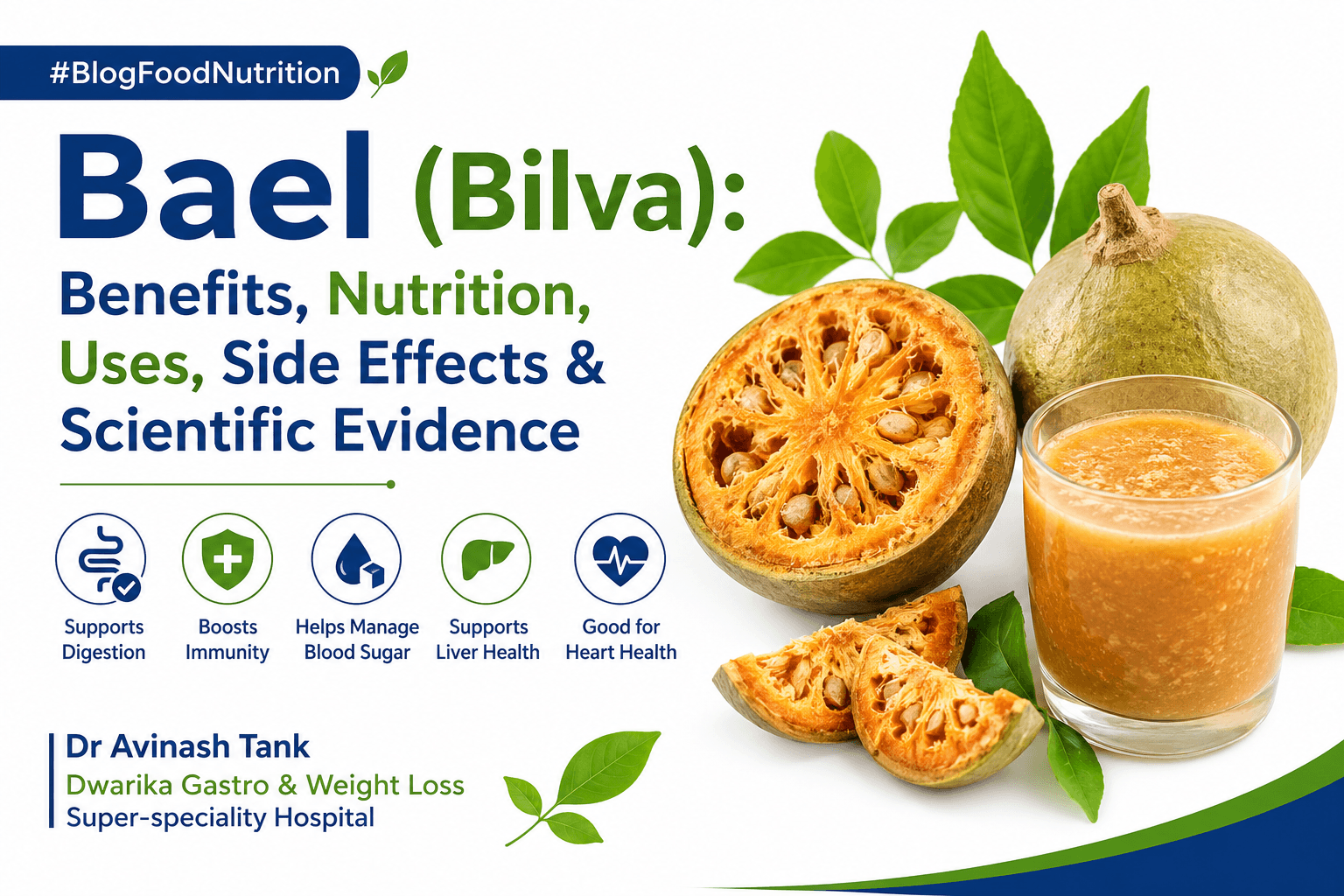
Bael (Bilva): Benefits, Nutrition, Uses, Side Effects & Scientific Evidence
Introduction
Bael (Aegle marmelos), also known as Bilva, Bengal quince, Stone apple, or Wood apple, is one of the most revered medicinal plants in Ayurveda.
Native to the Indian subcontinent, Bael has been used for thousands of years to support digestive health, immunity, metabolic wellness, and overall vitality.
The fruit, leaves, bark, roots, and seeds of Bael possess medicinal properties. Modern scientific studies have confirmed many traditional Ayurvedic claims regarding its antioxidant, anti-
inflammatory, antimicrobial, antidiabetic, and hepatoprotective effects.
This comprehensive guide explores Bael fruit benefits, Bilva benefits, Aegle marmelos uses, nutritional value, dosage, precautions, side effects, and scientific evidence.
Amazing Facts About Bael (Bilva)
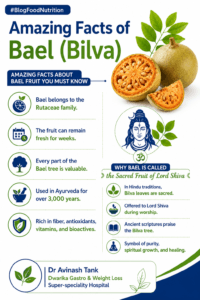
Amazing Facts About Bael Fruit You Must Know
- Bael belongs to the Rutaceae family, the same family as citrus fruits.
- The fruit can remain fresh for weeks due to its hard shell.
- Every part of the Bael tree has medicinal value.
- It has been used in Ayurveda for over 3,000 years.
- Bael is rich in fiber, antioxidants, vitamins, and bioactive compounds.
Why Bael is Called the Sacred Fruit of Lord Shiva
In Hindu traditions, Bilva leaves are considered sacred and are offered to Lord Shiva during worship.
Ancient scriptures describe the Bilva tree as a symbol of purity, spiritual growth, and healing.
Traditional and Scientific Importance of Bilva
Ayurveda classifies Bilva as a digestive tonic, anti-diarrheal herb, and rejuvenative medicine.
Modern research supports its role in managing digestive disorders, diabetes, liver disease, and infections.
Chemical Composition of Bael
Phytochemicals Present in Bael Fruit
Bael contains:
- Flavonoids
- Tannins
- Alkaloids
- Coumarins
- Terpenoids
- Phenolic compounds
- Pectin
Active Compounds in Aegle marmelos and Their Benefits
Important bioactive compounds include:
- Marmelosin
- Aegeline
- Lupeol
- Skimmianine
- Umbelliferone
These compounds contribute to antioxidant, anti-inflammatory, antimicrobial, and metabolic health benefits.
Antioxidants, Tannins, Alkaloids and Coumarins in Bael
These phytochemicals help:
- Neutralize free radicals
- Protect cells from oxidative damage
- Reduce inflammation
- Support gut health
- Improve metabolic function
Nutritional Value of Bael
Nutritional Profile of Bael Fruit
Per 100 g edible portion approximately contains:
- Calories: 130–140 kcal
- Carbohydrates: 30–32 g
- Protein: 1.5–2 g
- Fat: <1 g
- Fiber: 2–3 g
Vitamins and Minerals in Bael
Bael contains:
- Vitamin C
- Vitamin A
- Riboflavin
- Niacin
- Calcium
- Potassium
- Magnesium
- Iron
Bael Fruit Calories, Fiber and Nutritional Facts
The high fiber and pectin content make Bael particularly beneficial for digestive health and bowel regulation.
Benefits on Health
Bael for Constipation
Ripe Bael acts as a natural laxative due to its fiber content. It improves stool consistency and promotes healthy bowel movements.
Bael for Diarrhea and IBS
Unripe Bael has traditionally been used for:
- Chronic diarrhea
- Irritable bowel syndrome (IBS)
- Dysentery
Its tannins help reduce excessive intestinal secretions.
Bael for Acidity and Gut Health
Bael may help:
- Soothe gastric irritation
- Reduce acidity symptoms
- Improve gut microbiota balance
- Support digestive enzyme activity
Bael Fruit Benefits for Blood Sugar Control
Research suggests Bael extracts may:
- Improve insulin sensitivity
- Reduce blood glucose levels
- Lower oxidative stress associated with diabetes
Is Bael Safe for Diabetic Patients?
Bael can be consumed by diabetic individuals in moderation. However, commercially prepared sweetened Bael drinks should be avoided.
Bael Benefits for Fatty Liver
The antioxidant compounds in Bael may help reduce oxidative stress and inflammation associated with fatty liver disease.
Hepatoprotective Effects of Aegle marmelos
Animal studies suggest that Bael extracts protect liver cells from toxic injury and support liver regeneration.
Bael Fruit Benefits for Cholesterol and Blood Pressure
Bael may contribute to:
- Reduced LDL cholesterol
- Improved lipid profile
- Better vascular function
- Reduced oxidative damage to blood vessels
Bael Fruit Benefits for Immunity and Infection Prevention
Vitamin C and polyphenols support immune function and may help the body fight infections.
Can Bael Help in Weight Management?
Bael is rich in fiber and promotes satiety, making it useful as part of a balanced weight-loss diet.
FAQ About Bael
Is Bael Fruit Good for Diabetes?
Yes, moderate consumption may support blood sugar management.
Can Bael Be Eaten Daily?
Yes, most healthy adults can consume moderate amounts daily.
Who Should Avoid Bael?
Individuals with:
- Severe constipation
- Known allergy to Bael
- Certain medication interactions
should seek medical advice.
Is Bael Helpful in Constipation?
Ripe Bael may help relieve constipation due to its fiber content.
Can Pregnant Women Eat Bael?
Moderate dietary consumption is generally considered safe, but medical consultation is recommended.
Precautions When Using Bael
Who Should Not Consume Bael?
Avoid excessive intake if you have:
- Chronic constipation
- Intestinal obstruction
- Severe digestive disorders
Drug Interactions of Bael
Potential interactions may occur with:
- Antidiabetic medicines
- Blood pressure medicines
Monitoring is recommended.
Precautions During Pregnancy and Breastfeeding
Scientific safety data are limited. Use medicinal doses only under professional guidance.
Recommended Dose of Bael
Daily Recommended Intake of Bael Fruit
Adults can generally consume:
- 50–100 g ripe pulp daily
Bael Juice Dosage in Adults and Children
Adults:
- 100–200 ml per day
Children:
- 50–100 ml per day
Ayurvedic Dosage of Bilva
Traditional Ayurvedic preparations vary according to formulation and health condition.
How to Use Bael
How to Eat Fresh Bael Fruit
- Crack open the shell.
- Scoop out the pulp.
- Consume directly or mix with water.
How to Make Bael Juice
- Remove pulp.
- Blend with water.
- Strain.
- Add minimal sweetener if desired.
Bael Powder Uses and Dosage
Bael powder is commonly used for:
- Digestive disorders
- Gut health support
Typical dosage:
3–5 grams daily.
Bael Tea and Herbal Preparations
Leaves and dried fruit are often used in herbal teas and Ayurvedic formulations.
Parts Used of Bael
Medicinal Uses of Bael Fruit
- Digestive support
- Antioxidant benefits
- Nutritional supplementation
Bilva Leaves Benefits
Bilva leaves are traditionally used for:
- Blood sugar support
- Anti-inflammatory effects
- Religious rituals
Bael Root, Bark and Seed Uses in Ayurveda
Traditional uses include:
- Fever management
- Digestive disorders
- Certain respiratory conditions
Healthy Recipes Made from Bael
Traditional Bael Sharbat Recipe
Ingredients:
- Bael pulp
- Water
- Jaggery (optional)
Blend and serve chilled.
Bael Smoothie for Gut Health
Combine:
- Bael pulp
- Yogurt
- Flax seeds
- Cinnamon
Bael Jam and Bael Murabba
Bael pulp can be cooked with natural sweeteners to prepare nutritious preserves.
Sugar-Free Bael Drink for Diabetics
Blend ripe Bael pulp with water and add a small amount of stevia if desired.
Side Effects of Bael
Side Effects of Excess Bael Consumption
Excessive intake may cause:
- Constipation
- Bloating
- Abdominal discomfort
Can Bael Cause Constipation?
Yes. Large quantities, particularly of unripe fruit preparations, may worsen constipation.
Bael Allergy and Digestive Side Effects
Rare allergic reactions may include:
- Skin rash
- Itching
- Gastrointestinal discomfort
Reference and Scientific Evidence
Clinical Studies on Aegle marmelos
Research has demonstrated:
- Antidiabetic activity
- Antioxidant effects
- Hepatoprotective properties
- Gastroprotective benefits
Research Evidence for Bael in Digestive Disorders
Studies support traditional use for:
- Diarrhea
- Dysentery
- IBS-like symptoms
- General digestive support
Scientific Validation of Ayurvedic Bilva Uses
Modern Pubmed & pharmacological research largely supports Ayurvedic claims regarding Bael’s digestive, metabolic, antimicrobial, and antioxidant benefits.
Conclusion
Bael (Bilva): Benefits, Nutrition, Uses, Side Effects & Scientific Evidence. Bael (Bilva) is a remarkable medicinal fruit that combines ancient Ayurvedic wisdom with modern scientific validation.
Its rich nutritional profile, digestive benefits, antioxidant properties, and potential role in metabolic health make it a valuable addition to a healthy lifestyle.
While Bael offers numerous health benefits, it should be consumed in moderation and used responsibly, especially by individuals with chronic illnesses or those taking medications.
When incorporated appropriately, Bael can serve as both a nutritious food and a supportive natural remedy for overall wellness.