

Reading Time: 6 minutes
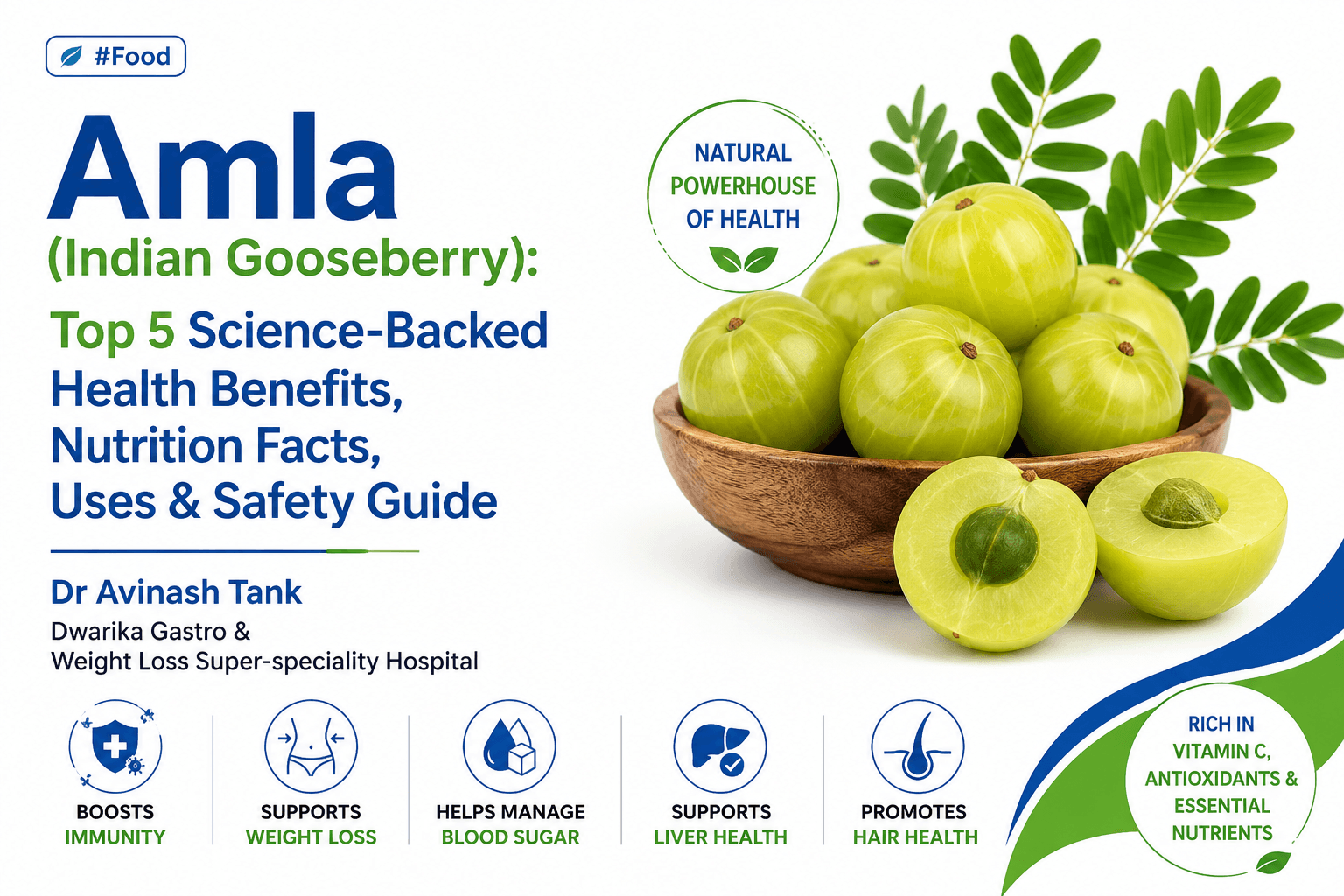
Amla (Indian Gooseberry): Top 5 Science-Backed Health Benefits, Nutrition Facts, Uses & Safety Guide
Amla (Emblica officinalis), commonly known as Indian Gooseberry, is one of the most important medicinal fruits in Ayurveda. Rich in vitamin C, polyphenols, flavonoids, and antioxidants, Amla has been used for centuries to promote immunity, digestive health, metabolic wellness, and longevity. Modern scientific studies support many traditional claims, making Amla one of the most researched herbal foods worldwide.
Amazing Facts About Amla (Indian Gooseberry)
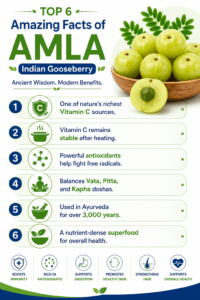
Amla (Emblica officinalis), also known as Indian Gooseberry, is one of the most revered fruits in Ayurveda and is often called a “superfruit” due to its exceptional nutritional and medicinal properties. Here are some amazing facts about Amla:
1. One of the Richest Natural Sources of Vitamin C
Amla contains exceptionally high amounts of vitamin C. Remarkably, its vitamin C remains stable even after drying or heating because it is protected by naturally occurring tannins.
2. Known as the “Divine Fruit” in Ayurveda
Ancient Ayurvedic texts describe Amla as a “Rasayana,” meaning a rejuvenating substance that promotes longevity, vitality, and overall wellness.
3. Contains Powerful Antioxidants
Amla is packed with polyphenols, flavonoids, gallic acid, ellagic acid, and tannins. These compounds help neutralize harmful free radicals and reduce oxidative stress in the body.
4. Supports All Three Doshas
According to Ayurveda, Amla is one of the rare foods that helps balance Vata, Pitta, and Kapha doshas simultaneously, making it suitable for most individuals.
5. Key Ingredient in Chyawanprash
Amla is the primary ingredient in Chyawanprash, one of India’s oldest and most popular Ayurvedic formulations used for immunity and rejuvenation.
6. Naturally Low in Calories
Despite being nutrient-dense, Amla is low in calories and contains dietary fiber, making it a healthy choice for weight management.
7. Used for More Than 3,000 Years
Historical records suggest that Amla has been used in traditional Indian medicine for over three millennia.
8. Beneficial for Hair and Skin
Amla is widely used in hair oils, shampoos, and skincare products because it supports collagen formation and helps maintain healthy hair and skin.
9. Every Part of the Plant Has Value
The fruit, seed, leaves, bark, and roots of the Amla tree have been used traditionally for various medicinal purposes.
10. Called a “Superfood” by Modern Nutrition Experts
Because of its rich nutrient profile, antioxidant content, and potential health benefits, Amla is increasingly recognized worldwide as a functional food and superfood.
11. Traditionally Linked to Digestive Health
Amla has long been used to support digestion, appetite regulation, and gastrointestinal wellness in Ayurvedic practice.
12. A Long-Living Tree
The Amla tree can survive for decades and continues producing nutrient-rich fruits year after year, symbolizing health, resilience, and longevity.
13. National Importance in India
Amla is extensively cultivated throughout India and holds cultural, nutritional, and medicinal significance in many regions.
14. Naturally Sour Yet Cooling
Although Amla has a distinctly sour taste, Ayurveda considers it to have a cooling effect on the body, unlike many other sour foods.
15. Amla Is Both Food and Medicine
Very few natural products are consumed daily as food while simultaneously being recognized as a medicinal plant. Amla is one of these unique examples, bridging nutrition and healthcare.
Did You Know?
A single Amla fruit contains an impressive combination of vitamin C, fiber, antioxidants, and phytochemicals, making it one of the most nutrient-dense fruits found in nature.
Amla for Weight Loss:
Can Indian Gooseberry Help Reduce Belly Fat?
How Amla Supports Healthy Weight Management
Weight loss remains one of the most searched health topics globally, and Amla has emerged as a popular natural aid. Amla contains powerful antioxidants and bioactive compounds that may improve metabolism, reduce oxidative stress, and support fat utilization.
Research suggests that Amla may help improve insulin sensitivity and regulate blood sugar levels. Stable blood sugar reduces cravings and prevents excessive calorie intake. The fruit is also rich in dietary fiber, which promotes satiety and reduces hunger between meals.
Best Ways to Use Amla for Weight Loss
Fresh Amla, Amla juice, and Amla powder can be included in a balanced diet. Many people consume Amla juice in the morning with water. Others add Amla powder to smoothies or herbal drinks.
While Amla is not a miracle weight-loss solution, it can complement a healthy diet and regular physical activity. Sustainable weight loss depends on overall calorie balance, lifestyle modification, and long-term habits.
Amla for Diabetes: Benefits for Blood Sugar Control
Can Amla Help Manage Diabetes?
Diabetes affects millions of people worldwide. Amla contains polyphenols, tannins, and antioxidants that may support glucose metabolism. Several studies have shown that Amla may help reduce fasting blood sugar and improve insulin sensitivity.
Its antioxidant activity may also reduce oxidative stress associated with diabetes complications. By supporting metabolic health, Amla may become a useful dietary addition for people with prediabetes or type 2 diabetes.
Important Precautions
People taking diabetes medications should monitor blood sugar carefully because combining Amla with glucose-lowering medicines may increase the risk of low blood sugar. Amla should be viewed as a supportive dietary component rather than a replacement for prescribed treatment.
Regular monitoring, physician guidance, healthy eating, and physical activity remain essential components of diabetes management.
Amla for Fatty Liver: A Natural Support for Liver Health
Why the Liver Benefits from Amla
Fatty liver disease is becoming increasingly common due to obesity, diabetes, and sedentary lifestyles. Amla contains antioxidants that help combat oxidative stress, one of the major mechanisms involved in liver damage.
Studies suggest that Amla may help improve liver enzyme levels and reduce inflammation. Its polyphenols protect liver cells from free radical damage and may support normal liver function.
Amla as Part of a Fatty Liver Recovery Plan
The most effective treatment for fatty liver remains weight loss, regular exercise, and healthy nutrition. Amla can serve as a supportive food because of its antioxidant and anti-inflammatory properties.
Fresh Amla, Amla juice, or standardized Amla extracts are commonly used. However, individuals with chronic liver disease should seek medical advice before starting supplements.
Amla Benefits for Hair Growth and Hair Health
Traditional Ayurvedic Uses for Hair
Amla has been used in Ayurvedic hair care for centuries. It is a key ingredient in many hair oils, shampoos, and herbal formulations. The high antioxidant content may help protect hair follicles from oxidative damage.
Many users report improved hair texture, reduced breakage, and healthier-looking hair with regular use. Amla is also traditionally used to support scalp health.
H3: Scientific Perspective
Although more clinical research is needed, antioxidants and vitamin C support collagen production, which contributes to healthy skin and hair structures. Amla’s nutrient profile makes it a valuable addition to a balanced diet that supports overall hair health.
Topical Amla oil and dietary consumption can be combined as part of a comprehensive hair-care routine. However, hair growth depends on multiple factors including genetics, nutrition, hormones, and scalp health.
H2: Amla Nutrition Facts: Why It Is Called a Superfood
H3: Nutritional Profile of Amla
Amla is often referred to as a superfood because of its remarkable nutrient density. It contains vitamin C, fiber, calcium, potassium, iron, and numerous phytochemicals including gallic acid, ellagic acid, flavonoids, and tannins.
Unlike many fruits, Amla possesses exceptional antioxidant capacity. These compounds help neutralize free radicals and protect cells from oxidative stress.
H3: Overall Health Benefits
Regular consumption of Amla may support immune function, cardiovascular health, digestion, skin wellness, and healthy aging. Because it is low in calories and rich in nutrients, Amla fits well into most healthy dietary patterns.
H2: Frequently Asked Questions About Amla
H3: What Is the Best Time to Eat Amla?
Many people prefer consuming Amla in the morning. However, it can be consumed at any convenient time as part of a balanced diet.
H3: How Much Amla Can Be Consumed Daily?
One to two fresh fruits, 20–30 ml of Amla juice, or 3–5 grams of Amla powder are commonly used amounts. Individual requirements may vary.
H3: Are There Any Side Effects?
Excessive consumption may cause digestive discomfort, acidity, or loose stools in some individuals. People taking blood-thinning or diabetes medications should consult healthcare professionals before regular use.
H3: Who Should Avoid Excessive Amla Consumption?
Individuals with known allergies, certain bleeding disorders, or those scheduled for surgery should seek medical advice before using concentrated Amla supplements.
Conclusion
Amla is one of nature’s most nutrient-dense fruits and remains a cornerstone of Ayurvedic medicine. Its potential benefits for weight management, diabetes, fatty liver, hair health, and overall wellness make it an excellent addition to a healthy lifestyle. While scientific evidence continues to grow, Amla should complement—not replace—medical treatment, balanced nutrition, exercise, and professional healthcare guidance.
By incorporating Amla regularly and responsibly, individuals may enjoy both traditional wisdom and modern nutritional advantages from this remarkable Indian superfruit.