

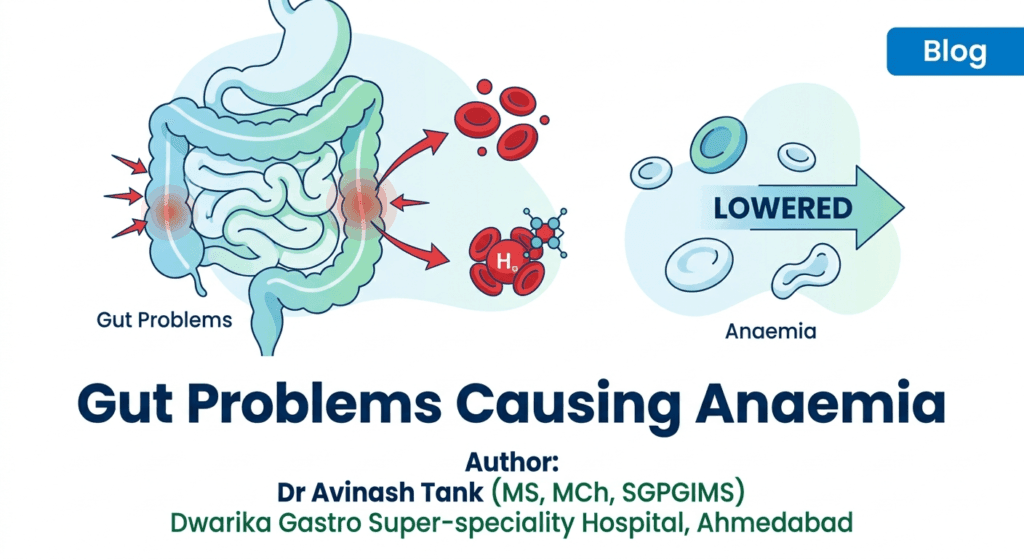
Gut Problems Causing Anaemia: A Complete Guide to Hidden Blood Loss
Anaemia is often silently linked to problems within the digestive system. Many patients present with fatigue and low hemoglobin, but the real cause lies deep within the gastrointestinal (GI) tract. Identifying these causes early can be life-saving, especially when conditions like ulcers or cancers are involved.
In this detailed guide, we will explore the gastrointestinal causes of anaemia, how they develop, warning signs, and when to seek medical care.
What is Anaemia and How is the Gut Involved?
Anaemia occurs when the body lacks enough healthy red blood cells or hemoglobin to carry oxygen effectively.
The gastrointestinal system plays a crucial role because:
- It is responsible for nutrient absorption (iron, Vitamin B12, folate)
- It is a common site for chronic blood loss
- Many GI diseases interfere with digestion and absorption
How Gastrointestinal Problems Cause Anaemia
There are three primary ways GI disorders lead to anaemia:
1. Chronic Blood Loss
Slow, unnoticed bleeding from the GI tract is the most common cause.
2. Malabsorption of Nutrients
Even with a good diet, poor absorption leads to deficiencies.
3. Inflammation and Chronic Disease
Long-standing gut diseases affect RBC production.
Major Gastrointestinal Causes of Anaemia
1. Peptic Ulcer Disease
Ulcers in the stomach or duodenum can cause chronic bleeding.
Common Causes:
- Infection with Helicobacter pylori
- Painkiller overuse (NSAIDs)
Symptoms:
- Burning abdominal pain
- Black stools (melena)
- Vomiting blood (in severe cases)
2. Gastritis (Inflammation of the Stomach)
Chronic gastritis can lead to both bleeding and poor absorption.
Causes:
- Alcohol
- Infection (H. pylori)
- Autoimmune gastritis (affecting Vitamin B12 absorption)
3. Gastrointestinal Cancers
Cancers of the digestive tract are serious causes of unexplained anaemia.
Types:
Red Flag Signs:
- Unexplained weight loss
- Blood in stool
- Change in bowel habits
⚠️ Important: In patients over 45–50 years, anaemia should always be evaluated to rule out cancer.
4. Hemorrhoids (Piles)
Enlarged veins in the rectum can bleed repeatedly.
Symptoms:
- Bright red blood during defecation
- Pain or discomfort
Though common, chronic bleeding can lead to significant iron deficiency.
5. Inflammatory Bowel Disease (IBD)
Includes conditions like Ulcerative colitis and Crohn’s disease.
How it Causes Anaemia:
- Chronic intestinal bleeding
- Poor nutrient absorption
- Ongoing inflammation
6. Celiac Disease (Gluten Sensitivity)
An autoimmune condition affecting the small intestine.
Mechanism:
Damage to intestinal lining leads to poor absorption of:
- Iron
- Folate
- Vitamin B12
Symptoms:
- Chronic diarrhea
- Weight loss
- Bloating
7. Intestinal Worm Infestation
Still common in developing regions.
Example:
- Hookworms attach to intestinal walls and suck blood
Effect:
Chronic blood loss → iron deficiency anaemia
8. Angiodysplasia (Abnormal Blood Vessels)
Fragile, abnormal blood vessels in the intestine.
Features:
- Common in elderly patients
- Causes intermittent bleeding
- Often detected via endoscopy
9. Diverticulosis and Diverticular Bleeding
Small pouches in the colon wall can bleed.
Symptoms:
- Sudden painless bleeding
- May be intermittent
10. Post-Surgical Causes (Malabsorption)
Certain surgeries affect nutrient absorption.
Examples:
- Bariatric surgery
- Small intestine resection
Result:
Deficiency of iron, B12, and folate
11. Chronic Liver Disease
Advanced liver disease affects multiple systems.
Mechanisms:
- Portal hypertension → GI bleeding
- Nutritional deficiencies
- Bone marrow suppression
Symptoms Suggesting a GI Cause of Anaemia
Look beyond fatigue—these symptoms point toward a gastrointestinal source:
- Black or tarry stools
- Blood in stool
- Abdominal pain
- Loss of appetite
- Unexplained weight loss
- Persistent acidity or indigestion
Investigations to Identify GI Causes
Accurate diagnosis requires targeted tests:
Basic Tests:
- Complete Blood Count (CBC)
- Iron studies
GI-Specific Tests:
- Upper GI Endoscopy
- Colonoscopy
- Stool for occult blood
- CT scan (if needed)
When to Suspect a Serious Cause
Seek urgent evaluation if:
- Age > 45 with new-onset anaemia
- Rapid drop in hemoglobin
- Visible blood in stool
- Family history of GI cancers
Treatment Approach
Treatment depends on identifying and correcting the root cause.
Examples:
- Ulcers → medications + H. pylori treatment
- Piles → medical or surgical management
- IBD → anti-inflammatory therapy
- Cancer → oncological treatment
- Worm infestation → deworming
Supportive treatment includes:
- Iron supplementation
- Vitamin replacement
- Blood transfusion (if severe)
Prevention Tips
- Avoid unnecessary painkiller use
- Maintain gut health
- Eat a balanced diet rich in iron
- Regular screening after age 45
- Early evaluation of GI symptoms
When to Consult a Gastroenterologist
You should consult a specialist if you have:
- Persistent anaemia without clear cause
- Recurrent acidity or abdominal pain
- Blood in stool
- Chronic digestive issues
Emergency Warning Signs
- Vomiting blood
- Severe weakness or fainting
- Rapid heartbeat
- Heavy rectal bleeding
Conclusion
Gut Problems Causing Anaemia. Gastrointestinal causes of anaemia are common but often overlooked. Many conditions—from simple ulcers to serious cancers—can silently lead to chronic blood loss or nutrient deficiency.
Early diagnosis through proper evaluation like endoscopy can not only treat anaemia but also detect life-threatening diseases at an early stage.
Book a Consultation
If you are experiencing symptoms of anaemia or digestive issues, consult us.
Book your appointment on +91 88 66 02 05 05
Dr. Avinash Tank
Dwarika Gastro Super-speciality Hospital, Ahmedabad

Super-specialist GI, bariatric & cancer surgeon. SGPGIMS (India's premier GI centre) + advanced training in Japan & South Korea. Read full profile →
Last reviewed: July 2026





Comments
Be the first to share your thoughts on this article.