

Reading Time: 3 minutes
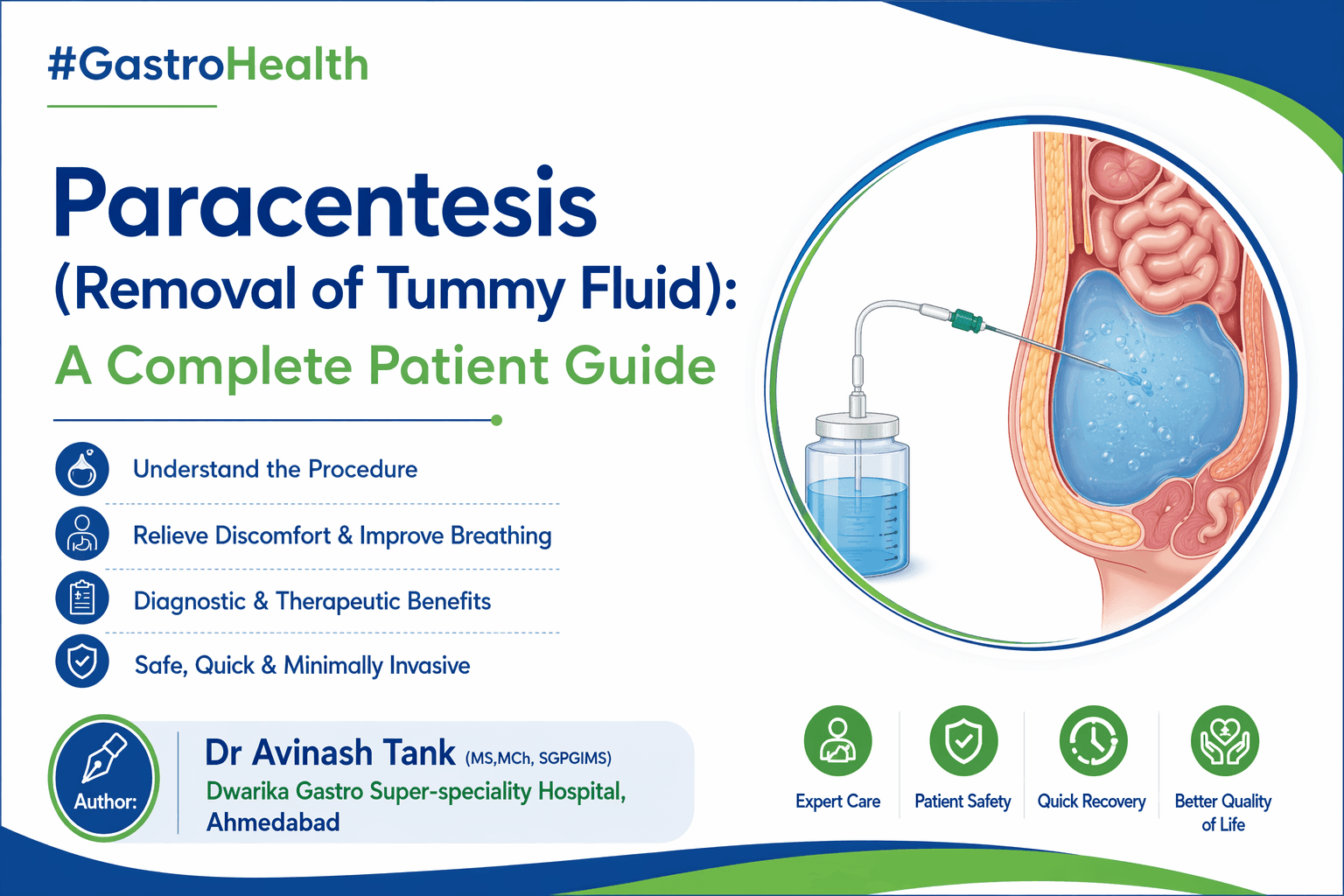
Paracentesis: A Complete Guide to Ascitic Fluid Removal. Paracentesis is a commonly performed and highly valuable procedure in gastroenterology and hepatology.
It plays a crucial role in both diagnosis and treatment of ascites, a condition characterized by fluid accumulation in the abdominal cavity.
For patients with liver disease, cancer, infections, or heart failure, paracentesis can be life-saving and symptom-relieving.
Overview: What is Paracentesis?
Paracentesis is a medical procedure in which a needle or catheter is inserted into the abdominal cavity to remove fluid (ascitic fluid). This fluid may accumulate due to liver disease, infections, cancer, or other systemic conditions.
The procedure serves two major purposes:
1. Diagnostic Paracentesis
- To analyze fluid and determine the cause of ascites
2. Therapeutic Paracentesis
- To remove large amounts of fluid and relieve symptoms
Understanding Ascites
Before understanding paracentesis, it’s important to know what ascites is.
What is Ascites?
Ascites refers to the abnormal accumulation of fluid in the peritoneal cavity.
Common Causes of Ascites
1. Liver Cirrhosis (Most Common)
Chronic liver damage leads to increased pressure in the portal vein (portal hypertension).
2. Cancer (Malignant Ascites)
- Ovarian cancer
- Gastrointestinal cancers
3. Infections
- Tuberculosis
- Bacterial peritonitis
4. Heart Failure
Fluid accumulation due to increased venous pressure.
5. Kidney Disease
Loss of proteins leads to fluid leakage.
Why is Paracentesis Needed?
Paracentesis is recommended in the following situations:
Diagnostic Indications
- New onset ascites
- Suspected infection
- Suspected malignancy
- Unexplained abdominal swelling
Therapeutic Indications
- Large volume ascites causing discomfort
- Difficulty breathing
- Severe abdominal distension
- Refractory ascites (not responding to medication)
Symptoms of Ascites (When Paracentesis May Be Needed)
- Abdominal swelling
- Tightness or heaviness in abdomen
- Difficulty breathing
- Early satiety
- Weight gain
- Reduced mobility
Pre-Procedure Evaluation
Before performing paracentesis, doctors assess:
1. Clinical Examination
- Abdominal distension
- Fluid thrill
2. Ultrasound Abdomen
Helps confirm fluid and guides needle placement.
3. Blood Tests
- Platelet count
- INR (clotting profile)
4. Consent and Counseling
Patient is explained:
- Procedure steps
- Risks and benefits
Procedure: How Paracentesis is Done
Paracentesis is usually done at bedside or in a procedure room.
Step-by-Step Process
- Patient lies comfortably (usually supine position)
- Abdomen is cleaned with antiseptic solution
- Local anesthesia is given
- Needle or catheter is inserted into abdomen
- Fluid is slowly withdrawn
Duration
- Usually takes 20–40 minutes
Volume Removed
- Diagnostic: small amount (20–50 ml)
- Therapeutic: may remove several liters
Fluid Analysis (Diagnostic Importance)
The removed fluid is sent for laboratory testing:
Key Tests
1. SAAG (Serum-Ascites Albumin Gradient)
Helps differentiate causes:
- High SAAG → Liver disease
- Low SAAG → Cancer or infection
2. Cell Count
Detects infection
3. Protein Levels
Helps classify fluid
4. Culture
Identifies bacteria
5. Cytology
Detects cancer cells
Treatment Role of Paracentesis
Symptom Relief
Large-volume paracentesis provides:
- Relief from abdominal pressure
- Improved breathing
- Better appetite
- Enhanced mobility
Albumin Infusion
After removing large volumes (>5 liters), albumin infusion may be given to prevent complications.
Risks and Complications
Paracentesis is generally safe, but possible risks include:
Common Risks
- Pain at puncture site
- Leakage of fluid
Rare but Serious Complications
- Bleeding
- Infection
- Bowel injury
- Hypotension
Post-Paracentesis Circulatory Dysfunction (PPCD)
Can occur after large fluid removal without albumin support.
Contraindications
Paracentesis may be avoided or done cautiously in:
- Severe clotting disorders
- Pregnancy (relative caution)
- Distended bowel
- Skin infection at puncture site
Aftercare: What to Expect
Immediately After Procedure
- Patient is monitored for vital signs
- Dressing applied
Common Experiences
- Mild discomfort
- Lightheadedness (rare)
Taking Care at Home
- Keep puncture site clean and dry
- Avoid heavy lifting for 24–48 hours
- Watch for signs of infection
- Maintain fluid and salt restriction (if advised)
When to Consult a Doctor After Paracentesis?
- Fever
- Redness or swelling at site
- Persistent leakage
- Dizziness or weakness
- Increasing abdominal pain
When to Seek Emergency Help?
🚨 Immediate attention required if:
- Severe abdominal pain
- Continuous bleeding
- Sudden drop in blood pressure
- Confusion
Repeated Paracentesis
In chronic liver disease, patients may need repeated paracentesis.
Alternatives
- Diuretics
- TIPS (Transjugular Intrahepatic Portosystemic Shunt)
- Liver transplantation
Paracentesis vs Other Procedures
| Procedure | Purpose |
| Paracentesis | Remove abdominal fluid |
| Thoracentesis | Remove pleural fluid |
| Biopsy | Tissue sampling |
Special Considerations
In Liver Cirrhosis
Paracentesis is essential for:
- Diagnosing spontaneous bacterial peritonitis (SBP)
- Managing refractory ascites
In Cancer Patients
Helps:
- Confirm malignancy
- Provide symptom relief
Prevention of Ascites Recurrence
- Low salt diet
- Regular medications
- Avoid alcohol
- Regular follow-ups
Outcome: Results
- Immediate symptom relief in most patients
- Improved quality of life
- Accurate diagnosis of underlying disease
Patient Education: Key Points
- Paracentesis is safe and effective
- Early diagnosis prevents complications
- Follow doctor’s advice strictly
- Don’t delay treatment if symptoms worsen
Frequently Asked Questions (FAQs)
Is paracentesis painful?
No, it is done under local anesthesia and is usually well tolerated.
How much fluid can be removed?
Several liters can be safely removed depending on condition.
Can fluid come back?
Yes, especially in chronic liver disease.
Is hospitalization required?
Usually not; it can be done as a day-care procedure.
Final Takeaway
Paracentesis: A Complete Guide to Ascitic Fluid Removal. Paracentesis is a simple yet powerful procedure that helps both diagnose and treat serious conditions causing ascites. Timely intervention can prevent complications, relieve discomfort, and improve overall patient outcomes.
Call to Action
Don’t ignore abdominal swelling or discomfort. Early diagnosis can save lives.
Book your appointment with Dr. Avinash Tank
Dwarika Gastro Super-speciality Hospital, Ahmedabad
📞 Call or WhatsApp: +91 88 66 02 05 05
Take the first step toward better liver and digestive health today.