

Reading Time: 9 minutes
Jeera (Cumin): Complete Guide to Health Benefits, Nutrition, Uses and Side Effects
Introduction
Jeera, commonly known as Cumin, is one of the most widely used spices in Indian kitchens.
Scientifically known as Cuminum cyminum, cumin belongs to the Apiaceae family and has been valued for centuries for its unique aroma, culinary uses, and medicinal properties.
From tempering dals and vegetables to preparing digestive drinks like Jeera Water, this humble spice has earned a special place in traditional medicine systems such as Ayurveda, Unani, and Siddha.
Modern scientific research has further highlighted the potential health benefits of cumin, particularly in digestive health, weight management, blood sugar control, and antioxidant protection.
In this comprehensive guide, we will explore the nutritional value, chemical composition, health benefits, recommended dosage, side effects, and scientific evidence behind Jeera.
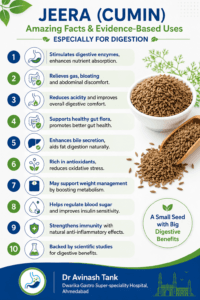
Here are some fascinating facts about cumin that many people do not know:
1. One of the World’s Oldest Spices
Cumin has been used for over 4,000 years and was found in ancient Egyptian tombs.
2. Called the “Queen of Spices”
Due to its extensive culinary and medicinal uses, cumin is often referred to as the Queen of Spices.
3. India Is the Largest Producer
India contributes more than 70% of the world’s cumin production.
4. Rich Source of Iron
Cumin seeds are naturally rich in iron, making them beneficial for individuals with increased iron requirements.
5. Powerful Digestive Spice
Ayurveda traditionally uses cumin to improve digestion, reduce bloating, and support gut health.
6. Contains Natural Essential Oils
The characteristic aroma of cumin comes from essential oils such as cuminaldehyde.
7. Used in Traditional Medicine Worldwide
Apart from Ayurveda, cumin has been used in Middle Eastern, Persian, and Mediterranean traditional medicine.
8. Supports Weight Management
Several studies suggest cumin supplementation may assist in weight reduction when combined with a healthy lifestyle.
What Is Jeera (Cuminum cyminum)?
Jeera is the dried seed of the cumin plant, a flowering herb native to the Mediterranean and Southwest Asia.
Common Names in India
| Language | Name |
| Hindi | Jeera |
| Gujarati | Jeeru |
| Marathi | Jeere |
| Bengali | Jira |
| Tamil | Seeragam |
| Telugu | Jeelakarra |
| Kannada | Jeerige |
| Malayalam | Jeerakam |
| Punjabi | Jeera |
Cultivation of Jeera in India
India is the largest producer and exporter of cumin worldwide.
Major Jeera-Producing States
- Gujarat
- Rajasthan
- Uttar Pradesh
- Madhya Pradesh
Among these, Gujarat and Rajasthan contribute the highest production.
Climate Requirements
Jeera grows best in:
- Dry climate
- Mild winter temperatures
- Well-drained sandy soil
- Low humidity conditions
The crop is generally sown between October and November and harvested from February to March.
Chemical Composition of Jeera
The medicinal value of cumin is largely due to its bioactive compounds.
Major Phytochemicals Present in Jeera
Essential Oils
- Cuminaldehyde
- Cymene
- Terpenes
- Pinene
- Limonene
Phenolic Compounds
- Flavonoids
- Polyphenols
- Tannins
Other Active Components
- Alkaloids
- Glycosides
- Sterols
- Saponins
Cuminaldehyde: The Key Active Compound
Cuminaldehyde is considered the most important bioactive constituent of cumin.
Research suggests that cuminaldehyde may:
- Stimulate digestive enzyme secretion
- Exhibit antimicrobial properties
- Provide antioxidant effects
- Support blood sugar regulation
Antioxidants in Jeera
Jeera contains several antioxidant compounds that help neutralize harmful free radicals.
These antioxidants may help:
- Reduce oxidative stress
- Protect cells from damage
- Support healthy aging
- Promote immune function
Nutritional Value of Jeera
Although cumin is consumed in small quantities, it contains impressive nutrients.
Nutritional Value of Cumin Seeds Per 100 Grams
Approximate values:
| Nutrient | Amount |
| Energy | 375 kcal |
| Protein | 18 g |
| Carbohydrates | 44 g |
| Dietary Fiber | 11 g |
| Fat | 22 g |
| Calcium | 931 mg |
| Iron | 66 mg |
| Magnesium | 366 mg |
| Potassium | 1788 mg |
| Zinc | 4.8 mg |
Vitamins Present in Jeera
Jeera contains:
- Vitamin A
- Vitamin C
- Vitamin E
- Vitamin K
- B-complex vitamins
Minerals Present in Jeera
Important minerals include:
- Iron
- Calcium
- Magnesium
- Phosphorus
- Potassium
- Zinc
- Copper
Is Jeera a Superfood?
The term “superfood” has no formal scientific definition. However, cumin possesses many characteristics associated with nutrient-dense foods:
✓ Rich in antioxidants
✓ Good source of iron
✓ Contains dietary fiber
✓ Supports digestion
✓ May aid metabolic health
Therefore, Jeera can certainly be considered a highly nutritious functional food.
Health Benefits of Jeera
1. Jeera for Digestion
The most recognized benefit of cumin is its digestive action.
How Jeera Supports Digestion
Jeera may:
- Stimulate digestive enzyme secretion
- Improve bile flow
- Enhance nutrient absorption
- Reduce indigestion
Jeera for Acidity, Gas and Bloating
Many people consume Jeera Water after meals because it may help reduce:
- Gas formation
- Abdominal discomfort
- Bloating
- Mild indigestion
The essential oils present in cumin stimulate gastrointestinal function and improve digestive efficiency.
Can Jeera Improve Gut Health?
Emerging evidence suggests that cumin may possess antimicrobial properties against harmful microorganisms.
It may help:
- Support healthy gut flora
- Improve digestive comfort
- Reduce fermentation-related gas formation
However, more human studies are needed.
Benefits of Drinking Jeera Water Daily
Jeera water is one of the most popular traditional home remedies.
Potential benefits include:
- Improved digestion
- Better hydration
- Reduced bloating
- Enhanced metabolism
- Mild appetite regulation
How to Prepare Jeera Water
- Add 1 teaspoon cumin seeds to a glass of water.
- Soak overnight.
- Boil in the morning.
- Strain and consume warm.
Jeera for Weight Loss
Weight management is one of the most searched topics related to cumin.
Does Jeera Help Reduce Weight?
Research suggests cumin may support weight management through multiple mechanisms:
1. Improved Digestion
Efficient digestion may improve nutrient utilization and metabolic efficiency.
2. Better Blood Sugar Control
Stable blood sugar levels may reduce cravings and overeating.
3. Increased Satiety
The fiber content of cumin may help promote fullness.
4. Antioxidant Effects
Reduced inflammation may support metabolic health.
Best Way to Use Jeera for Weight Loss
Many nutrition experts recommend:
- Jeera water in the morning
- Roasted jeera powder in buttermilk
- Jeera herbal tea
- Jeera in salads and soups
Remember that no spice alone causes significant weight loss. Sustainable results require:
- Calorie control
- Physical activity
- Adequate sleep
- Stress management
Jeera Water Benefits for Obesity Management
Studies evaluating cumin supplementation have reported improvements in:
- Body weight
- Waist circumference
- Body fat percentage
- Metabolic markers
While promising, cumin should be viewed as a supportive dietary component rather than a standalone treatment for obesity.
Jeera and Diabetes
Does Jeera Help Control Blood Sugar?
Diabetes is a growing health concern worldwide. Several studies have suggested that cumin may help support healthy blood sugar regulation.
Potential mechanisms include:
- Improved insulin sensitivity
- Reduction in oxidative stress
- Better glucose utilization
- Slower carbohydrate digestion
The antioxidants and bioactive compounds present in cumin may contribute to these beneficial effects.
Jeera and Insulin Sensitivity
Insulin resistance is one of the key factors behind Type 2 Diabetes and obesity. Some research indicates that cumin extracts may help improve insulin sensitivity, thereby assisting glucose metabolism.
However, cumin should never replace prescribed diabetes medications. It should be used as part of an overall healthy lifestyle.
Jeera and Liver Health
Benefits of Jeera for Fatty Liver
Non-Alcoholic Fatty Liver Disease (NAFLD) is becoming increasingly common due to obesity and metabolic syndrome.
Jeera may help support liver health by:
- Reducing oxidative stress
- Supporting fat metabolism
- Improving digestion
- Reducing inflammation
While cumin alone cannot cure fatty liver disease, incorporating it into a balanced diet may contribute to overall liver wellness.
Jeera and Liver Detoxification
The liver naturally detoxifies the body. Certain phytochemicals in cumin may support the activity of liver enzymes involved in detoxification processes.
The antioxidant content of cumin may help protect liver cells from free radical damage.
Jeera and Heart Health
Jeera for Cholesterol Management
Some studies suggest that cumin may help improve lipid profiles.
Potential benefits include:
- Lower LDL (“bad”) cholesterol
- Reduced triglycerides
- Improved HDL (“good”) cholesterol
These effects may partly be due to cumin’s antioxidant and anti-inflammatory properties.
Cumin Seeds and Heart Protection
A healthy heart requires proper blood pressure regulation, cholesterol control, and reduced inflammation.
The potassium, antioxidants, and phytochemicals present in cumin may contribute to cardiovascular wellness when combined with a healthy diet.
Jeera and Immunity
How Jeera Supports Immune Function
The immune system depends on adequate nutrition and antioxidant protection.
Jeera contains:
- Iron
- Zinc
- Vitamin C (small amounts)
- Antioxidants
These nutrients help support normal immune function.
Antioxidant Benefits of Cumin Seeds
Free radicals contribute to aging and chronic diseases.
The antioxidants present in cumin may:
- Protect cells from oxidative damage
- Reduce inflammation
- Support overall health
- Improve immune resilience
Women’s Health Benefits of Jeera
Jeera During Pregnancy
Traditionally, cumin has been used during pregnancy in moderate culinary amounts.
Potential benefits include:
- Digestive support
- Relief from mild bloating
- Nutritional contribution
However, medicinal or supplemental doses should only be used after consulting a healthcare professional.
Jeera for Iron Deficiency and Anemia
Cumin is naturally rich in iron.
Iron is essential for:
- Hemoglobin production
- Oxygen transport
- Energy metabolism
Although cumin alone cannot treat anemia, it can contribute to dietary iron intake.
Benefits of Cumin for Breastfeeding Mothers
Traditionally, cumin has been included in postpartum diets.
Possible reasons include:
- Digestive support
- Nutritional benefits
- Traditional belief in supporting lactation
Scientific evidence remains limited, but moderate dietary use is generally considered safe.
Frequently Asked Questions (FAQ)
Can We Drink Jeera Water Every Day?
Yes. Most healthy individuals can consume moderate amounts of Jeera water daily as part of a balanced diet.
What Is the Best Time to Drink Jeera Water?
Many people prefer:
- Early morning on an empty stomach
- Before meals
- Between meals
There is no universally accepted “best” time.
Is Jeera Safe During Pregnancy?
Normal culinary use is generally considered safe.
High-dose supplements should only be taken under medical supervision.
Can Jeera Help in Weight Loss?
Jeera may support weight management when combined with:
- Healthy eating
- Exercise
- Adequate sleep
- Lifestyle modification
Does Jeera Reduce Acidity?
Many people experience relief from indigestion and bloating after consuming cumin.
However, individual responses vary.
How Much Jeera Should Be Consumed Daily?
For general dietary purposes:
- 1–3 teaspoons daily is commonly used in cooking.
Is Black Jeera Different from Regular Jeera?
Yes.
Black cumin (Kala Jeera) differs botanically and chemically from regular cumin.
Both possess distinct flavors and medicinal properties.
Precautions When Using Jeera
Although generally safe, certain precautions are important.
Who Should Avoid Excessive Jeera Consumption?
Individuals with:
- Severe allergies to spices
- Bleeding disorders
- Low blood sugar tendencies
- Certain medication interactions
should exercise caution.
Drug Interactions of Cumin
Cumin may potentially interact with:
- Diabetes medications
- Blood-thinning medications
- Certain liver-metabolized drugs
Consult your healthcare provider if taking regular medications.
Precautions for Diabetic Patients
Because cumin may help lower blood sugar levels, diabetic patients should:
- Monitor glucose regularly
- Avoid excessive supplementation
- Continue prescribed treatment
Is Excess Jeera Harmful?
Excessive consumption may cause:
- Heartburn
- Gastrointestinal irritation
- Nausea
- Allergic reactions in susceptible individuals
Moderation remains the key.
Recommended Dose of Jeera
Recommended Daily Intake
For healthy adults:
- 1–3 teaspoons of cumin seeds daily in food is generally sufficient.
How Much Jeera Water Should You Drink?
Typically:
- One glass (200–250 ml) daily is adequate.
Ayurvedic Dosage of Jeera
Ayurvedic practitioners commonly recommend:
- 2–5 grams of cumin powder daily
Dosage varies depending on the individual’s constitution and health condition.
Therapeutic Dose for Digestive Disorders
Traditionally:
- 2–5 grams of roasted cumin powder
- Divided into one or two doses
is often used for digestive support.
Jeera Powder vs Whole Seeds: Which Is Better?
Whole Seeds
Advantages:
- Longer shelf life
- Better flavor preservation
Powder
Advantages:
- Easy to consume
- Convenient for recipes
Both forms provide health benefits.
How to Use Jeera
How to Make Jeera Water
Ingredients:
- 1 teaspoon cumin seeds
- 1 glass water
Method:
- Soak overnight.
- Boil for 5–10 minutes.
- Strain.
- Drink warm.
Roasted Jeera Powder Uses
Roasted cumin powder can be added to:
- Buttermilk
- Salads
- Soups
- Yogurt
- Lentils
Jeera Tea for Gut Health
Ingredients:
- 1 teaspoon cumin seeds
- 1 cup water
Boil for 5 minutes and consume warm.
How to Add Jeera to Everyday Meals
Common options include:
- Vegetable curries
- Dal
- Rice dishes
- Chutneys
- Soups
- Herbal beverages
Parts Used
Which Part of the Plant Is Used?
The dried seeds are the primary medicinal and culinary component.
Seeds of Jeera
The seeds contain:
- Essential oils
- Antioxidants
- Minerals
- Dietary fiber
These components are responsible for most health benefits.
Essential Oil of Cumin
Cumin essential oil is extracted from seeds and used in:
- Aromatherapy
- Food industry
- Traditional medicine
Due to its concentrated nature, it should be used carefully.
Healthy Recipes Made from Jeera
1. Jeera Water for Digestion
A simple traditional digestive drink.
2. Jeera Rice
Ingredients:
- Basmati rice
- Cumin seeds
- Ghee
- Salt
A flavorful and digestive-friendly preparation.
3. Roasted Jeera Chaas (Buttermilk)
Mix:
- Buttermilk
- Roasted cumin powder
- Rock salt
An excellent summer digestive drink.
4. Jeera Herbal Tea
Combine:
- Jeera
- Ginger
- Tulsi
for a soothing digestive beverage.
5. Weight Loss Drink with Jeera, Lemon and Ginger
Ingredients:
- Jeera water
- Lemon juice
- Fresh ginger
A refreshing low-calorie drink.
6. Digestive Jeera Soup
Add roasted cumin powder to vegetable soup for enhanced flavor and digestive benefits.
7. Jeera-Spiced Vegetable Salad
Sprinkle roasted cumin powder over fresh salads for a nutritious twist.
Side Effects of Jeera
Side Effects of Excessive Cumin Consumption
Although cumin is generally safe, excessive intake may cause:
Can Jeera Cause Acidity?
In some sensitive individuals, excessive consumption may trigger:
- Acid reflux
- Heartburn
- Gastric irritation
Moderate use is usually well tolerated.
Allergic Reactions to Cumin Seeds
Rarely, some individuals may experience:
- Skin rash
- Itching
- Swelling
- Respiratory symptoms
Medical attention should be sought if severe reactions occur.
Risks of Overconsumption of Jeera Water
Drinking very large quantities may lead to:
- Low blood sugar
- Digestive upset
- Excessive gastric stimulation
Jeera and Low Blood Sugar
Individuals taking diabetes medications should monitor blood sugar carefully because cumin may contribute to glucose-lowering effects.
Conclusion
Jeera (Cuminum cyminum) is much more than a kitchen spice. Rich in antioxidants, essential oils, dietary fiber, iron, and bioactive compounds, cumin has earned its place in both traditional medicine and modern nutrition.
The health benefits of Jeera include support for digestion, weight management, blood sugar control, liver function, heart health, immunity, and overall wellness. Jeera water remains one of the most popular traditional remedies for digestive comfort and metabolic health.
While cumin offers numerous potential benefits, it should be viewed as part of a balanced diet and healthy lifestyle rather than a miracle cure. Consumed in moderation, Jeera can be a flavorful and nutritious addition to everyday meals.
Whether used as whole seeds, roasted powder, herbal tea, or Jeera water, this ancient spice continues to prove why it has remained a staple in Indian households for thousands of years.
References
- Indian Journal of Traditional Knowledge.
- Journal of Food Science and Technology.
- National Institute of Nutrition (India).
- Ayurvedic Pharmacopoeia of India.
- Handbook of Herbs and Spices.
- Food Chemistry Journal.
- Nutrients Journal.
- Phytotherapy Research.
- Journal of Ethnopharmacology.
- World Journal of Diabetes.