

Reading Time: 6 minutes
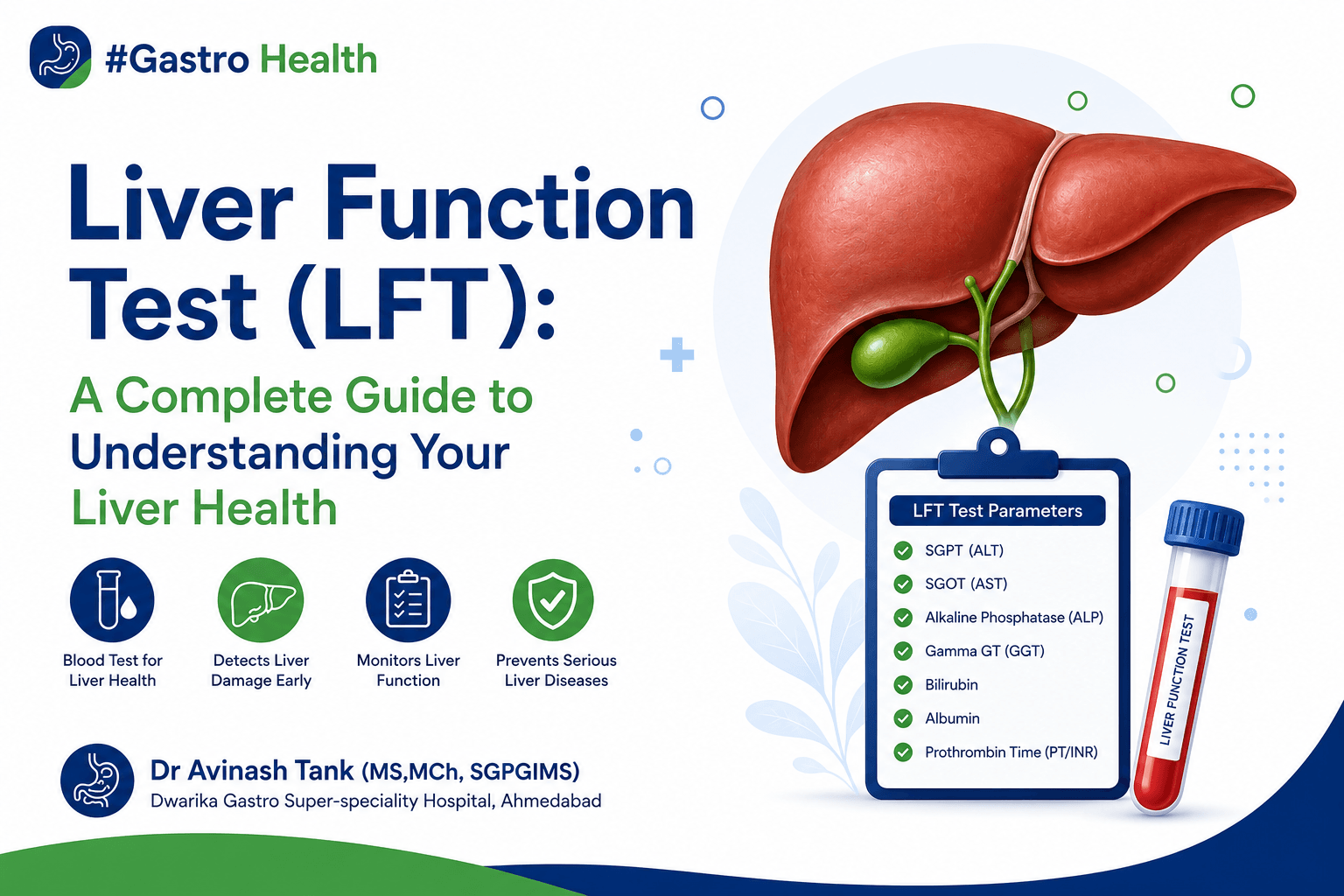
Liver Function Test (LFT): A Complete Guide to Understanding Your Liver Health
Introduction to Liver Function Test (LFT)
The liver is one of the most important organs in the human body. It performs hundreds of vital functions including digestion, detoxification, metabolism, protein production, bile secretion, vitamin storage, and regulation of blood clotting. When the liver becomes inflamed, damaged, or diseased, these functions can be affected significantly.
A Liver Function Test (LFT) is a group of blood tests used to evaluate the health and functioning of the liver. These tests help doctors diagnose liver diseases, monitor ongoing liver conditions, assess medication side effects, and detect early liver damage even before symptoms appear.
In modern medical practice, LFT is one of the most commonly prescribed investigations because liver diseases such as fatty liver, hepatitis, alcohol-related liver disease, liver fibrosis, cirrhosis, and liver cancer are increasing rapidly across India.
What Is a Liver Function Test?
A Liver Function Test is not a single test. It is a panel of blood investigations that measure various enzymes, proteins, and substances produced or processed by the liver.
These tests provide important information about:
- Liver cell injury
- Bile flow obstruction
- Liver synthetic capacity
- Inflammation or infection
- Chronic liver disease progression
LFT helps identify whether the liver is functioning normally or under stress.
Why Is Liver Function Test Important?
Liver diseases often remain silent for years. Many patients do not experience symptoms until significant liver damage has already occurred.
An LFT can detect abnormalities early and help prevent serious complications.
Important Benefits of LFT
- Early detection of fatty liver disease
- Diagnosis of hepatitis infections
- Monitoring alcohol-related liver damage
- Evaluation of jaundice
- Assessment of liver cirrhosis
- Detection of medication-induced liver injury
- Monitoring treatment response
- Pre-operative evaluation before surgery
Routine liver testing can save lives by identifying liver problems before irreversible damage develops.
Who Should Get a Liver Function Test?
Certain individuals are at higher risk of liver disease and should undergo periodic LFT screening.
People Who Should Consider LFT
- Individuals with obesity
- Patients with diabetes
- People consuming alcohol regularly
- Individuals with fatty liver disease
- Patients taking long-term medications
- Those with hepatitis B or C infection
- Patients with jaundice
- People with unexplained fatigue
- Individuals with abdominal pain
- Patients with high cholesterol
- Individuals with family history of liver disease
In India, increasing obesity and diabetes have made fatty liver disease one of the leading causes of abnormal LFT results.
Symptoms That May Require Liver Function Test
Many symptoms can indicate liver dysfunction. Doctors may recommend LFT when patients develop the following signs.
Common Symptoms of Liver Disease
- Yellow discoloration of eyes or skin (jaundice)
- Fatigue and weakness
- Loss of appetite
- Nausea or vomiting
- Abdominal swelling
- Dark urine
- Pale stools
- Itching
- Swelling in legs
- Easy bruising
- Weight loss
- Right upper abdominal pain
Sometimes patients have completely normal symptoms despite abnormal liver enzymes.
Components of Liver Function Test
LFT includes multiple blood parameters. Each parameter reflects a different aspect of liver health.
Alanine Aminotransferase (ALT/SGPT)
ALT is an enzyme mainly present in liver cells.
When liver cells become damaged or inflamed, ALT leaks into the bloodstream and rises.
Conditions That Increase ALT
- Fatty liver disease
- Viral hepatitis
- Alcoholic liver disease
- Medication-induced liver injury
- Liver inflammation
High ALT often indicates active liver cell injury.
Aspartate Aminotransferase (AST/SGOT)
AST is another enzyme found in the liver, muscles, heart, and other tissues.
AST elevation may occur due to liver disease or muscle injury.
AST and Alcoholic Liver Disease
In alcohol-related liver injury, AST is often higher than ALT.
Doctors frequently evaluate the AST/ALT ratio to identify alcoholic liver disease patterns.
Alkaline Phosphatase (ALP)
ALP is an enzyme associated with bile ducts.
Elevated ALP may indicate bile flow obstruction or cholestatic liver disease.
Causes of High ALP
- Gallstones
- Bile duct obstruction
- Liver tumors
- Primary biliary cholangitis
- Bone disorders
Doctors often correlate ALP with imaging studies.
Gamma-Glutamyl Transferase (GGT)
GGT is another enzyme linked to bile ducts and alcohol intake.
High GGT may occur in:
- Alcoholic liver disease
- Fatty liver
- Bile duct diseases
- Medication-related liver injury
GGT helps confirm whether elevated ALP is liver-related.
Bilirubin
Bilirubin is produced from the breakdown of red blood cells.
The liver processes bilirubin and excretes it into bile.
Types of Bilirubin
- Total bilirubin
- Direct bilirubin
- Indirect bilirubin
High Bilirubin Causes
- Hepatitis
- Gallstones
- Liver failure
- Hemolysis
- Bile duct obstruction
Elevated bilirubin causes jaundice.
Albumin
Albumin is a protein produced by the liver.
Low albumin levels may indicate chronic liver disease or poor liver synthetic function.
Conditions Associated With Low Albumin
- Cirrhosis
- Malnutrition
- Kidney disease
- Chronic inflammation
Albumin is important for maintaining body fluid balance.
Prothrombin Time (PT/INR)
The liver produces clotting factors required for blood coagulation.
PT/INR evaluates liver synthetic capacity.
Prolonged PT/INR May Indicate
- Liver failure
- Advanced cirrhosis
- Vitamin K deficiency
This parameter is critical in severe liver disease assessment.
Normal Liver Function Test Values
Normal ranges may vary slightly among laboratories.
Common Reference Ranges
| Test | Approximate Normal Range |
| ALT (SGPT) | 7–56 U/L |
| AST (SGOT) | 10–40 U/L |
| ALP | 44–147 IU/L |
| GGT | 9–48 U/L |
| Total Bilirubin | 0.1–1.2 mg/dL |
| Albumin | 3.5–5.0 g/dL |
| INR | Around 1 |
Interpretation should always be done by a qualified doctor.
How Is Liver Function Test Performed?
LFT is a simple blood test.
Procedure
- Blood sample is collected from a vein
- Sample is sent to laboratory
- Results are usually available within hours
The procedure is safe and minimally invasive.
Do You Need Fasting Before LFT?
Fasting is not always mandatory.
However, some doctors may advise fasting for accurate interpretation, especially if combined with lipid profile or other investigations.
Always follow laboratory instructions.
Causes of Abnormal Liver Function Tests
Abnormal LFT does not always mean severe liver disease. Mild elevations can occur temporarily.
Common Causes
- Fatty liver disease
- Viral hepatitis (Jaundice)
- Alcohol intake
- Obesity
- Diabetes
- Medications
- Herbal supplements
- Gallstones
- Liver infections
- Autoimmune diseases
Further evaluation may be necessary.
Fatty Liver Disease and LFT
Fatty liver disease has become extremely common in India.
Why Fatty Liver Causes Abnormal LFT
Excess fat accumulation inside liver cells causes inflammation and liver injury.
Patients may develop elevated ALT and AST.
Risk Factors for Fatty Liver
- Obesity
- Diabetes
- Sedentary lifestyle
- High sugar intake
- Processed foods
Early lifestyle changes can reverse fatty liver.
Alcohol and Liver Function Tests
Excess alcohol consumption damages liver cells.
Typical LFT Changes in Alcoholic Liver Disease
- Elevated AST
- Elevated GGT
- Increased bilirubin
- Low albumin in advanced disease
Chronic alcohol intake can lead to cirrhosis and liver failure.
Viral Hepatitis and LFT
Hepatitis viruses attack the liver.
Types of Viral Hepatitis
- Hepatitis A
- Hepatitis B
- Hepatitis C
- Hepatitis E
LFT often shows marked elevation of ALT and AST in acute hepatitis.
Early diagnosis improves treatment outcomes.
Drug-Induced Liver Injury
Many medications can affect liver function.
Medicines Commonly Associated With Liver Injury
- Painkillers
- Anti-tuberculosis drugs
- Antibiotics
- Herbal supplements
- Steroids
Doctors may monitor LFT during long-term medication use.
Can Liver Function Tests Be Normal Despite Liver Disease?
Yes.
Some patients with liver fibrosis or early cirrhosis may have normal liver enzymes.
Therefore, doctors may advise additional investigations such as:
- Ultrasound
- FibroScan
- MRI
- Liver biopsy
LFT is important but not the only tool for liver evaluation.
What Is FibroScan and How Is It Related to LFT?
FibroScan is a specialized non-invasive test used to measure liver stiffness and fat content.
It helps detect:
- Liver fibrosis
- Cirrhosis
- Fatty liver severity
Patients with abnormal LFT may require FibroScan for further assessment.
Liver Function Test in Obesity and Diabetes
Obesity and diabetes significantly increase the risk of fatty liver disease.
Why Screening Is Important
Many obese individuals have silent liver inflammation called Metabolic Dysfunction-Associated Steatotic Liver Disease (MASLD).
Untreated disease may progress to:
- Liver fibrosis
- Cirrhosis
- Liver cancer
Routine LFT helps early detection.
Liver Function Test During Pregnancy
Pregnant women may develop liver-related complications.
Conditions Requiring LFT in Pregnancy
- Pregnancy-related cholestasis
- HELLP syndrome
- Acute fatty liver of pregnancy
Prompt diagnosis is important for maternal and fetal safety.
Diet Tips to Improve Liver Function
Healthy lifestyle changes can improve liver health naturally.
Liver-Friendly Diet Recommendations
- Eat fresh fruits and vegetables
- Reduce sugar intake
- Avoid processed foods
- Limit fried foods
- Avoid excessive alcohol
- Increase protein intake
- Maintain hydration
Weight loss significantly improves fatty liver.
Exercise and Liver Health
Physical activity helps reduce liver fat.
Recommended Exercise
- Brisk walking
- Cycling
- Swimming
- Strength training
At least 150 minutes of exercise weekly is recommended.
Can Liver Damage Be Reversed?
Many liver conditions are reversible if detected early.
Reversible Conditions
- Fatty liver disease
- Early alcohol-related liver injury
- Drug-induced liver injury
However, advanced cirrhosis may become irreversible.
Early diagnosis through LFT can prevent permanent liver damage.
When Should You Consult a Gastroenterologist?
Consult a liver specialist if:
- LFT remains abnormal repeatedly
- You have jaundice
- Ultrasound shows fatty liver
- You consume alcohol regularly
- You have hepatitis infection
- You experience persistent abdominal symptoms
Timely specialist consultation improves treatment success.
How Often Should LFT Be Done?
Frequency depends on individual risk factors.
General Recommendations
- Healthy adults: As advised during routine health checkups
- Fatty liver patients: Every 6–12 months
- Alcohol users: Regular monitoring
- Chronic liver disease patients: Frequent follow-up
Your doctor will recommend an appropriate schedule.
Conclusion:
Liver Function Test (LFT): A Complete Guide to Understanding Your Liver Health. Liver Function Test (LFT) is a simple yet powerful investigation that helps evaluate liver health, detect liver diseases early, and monitor treatment progress. With rising cases of fatty liver disease, obesity, diabetes, alcohol-related liver damage, and viral hepatitis, regular liver screening has become increasingly important.
Abnormal LFT results should never be ignored. Early diagnosis and lifestyle modifications can prevent serious complications such as liver fibrosis, cirrhosis, and liver failure. Maintaining a healthy diet, regular exercise, weight control, and avoiding alcohol and unnecessary medications are essential steps toward protecting liver health.
If you have symptoms of liver disease or risk factors such as obesity, diabetes, or alcohol use, consult a qualified gastroenterologist for proper evaluation and timely management.
Book Appointment
For expert consultation regarding fatty liver disease, abnormal liver function tests, jaundice, liver fibrosis, cirrhosis, obesity-related liver disorders, and digestive health problems:
Book Appointment by Call or WhatsApp on +91 88 66 02 05 05
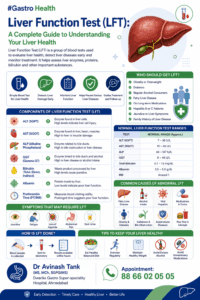
Liver Function Test (LFT): A Complete Guide to Understanding Your Liver Health
References
- PubMed
- National Institute of Diabetes and Digestive and Kidney Diseases (NIDDK)
- American Liver Foundation
- World Health Organization (WHO)
- Obesity Doctor India
- Centers for Disease Control and Prevention (CDC) – Viral Hepatitis