

Reading Time: 7 minutes
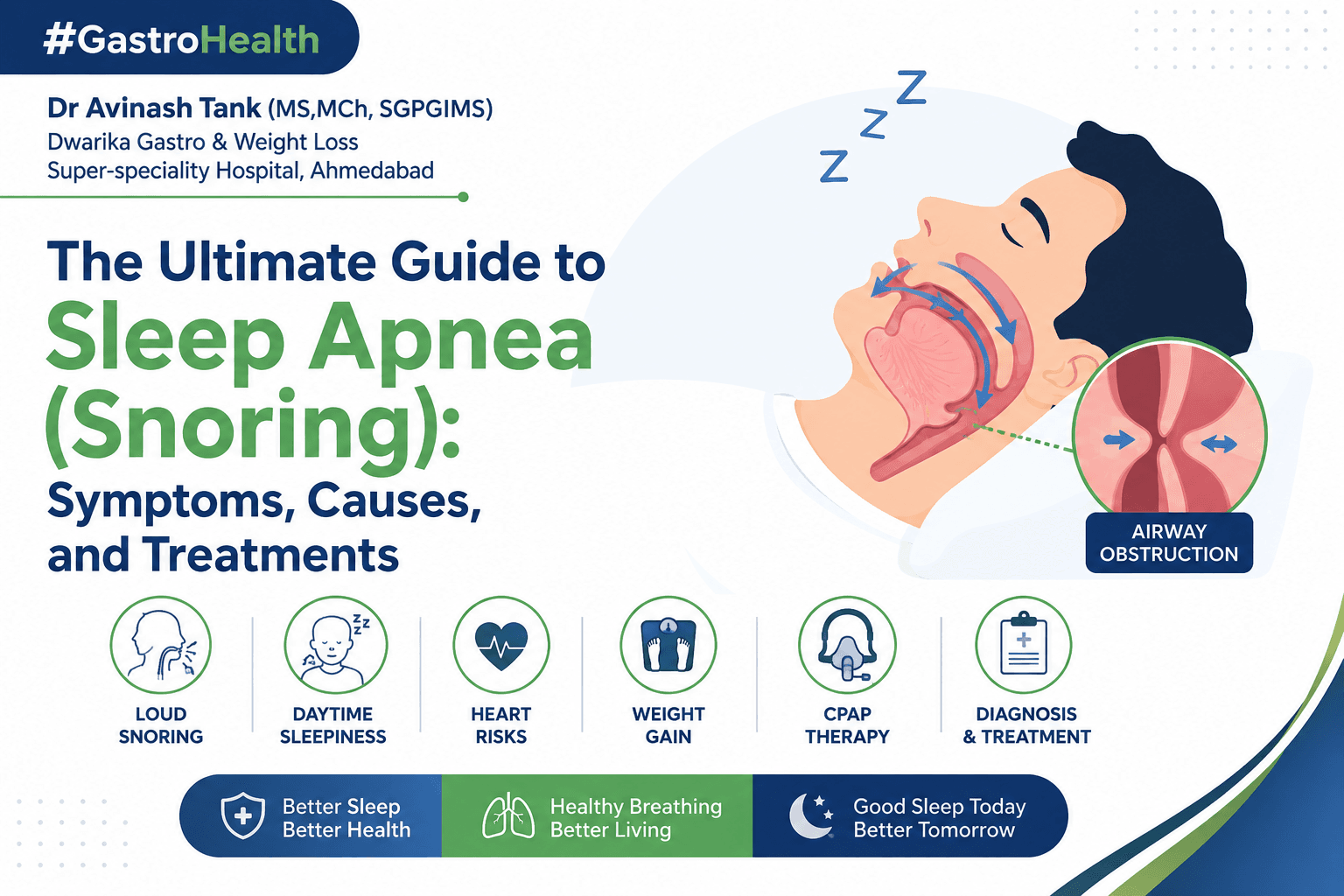
The Ultimate Guide to Sleep Apnea (Snoring): Symptoms, Causes, and Treatments
The Ultimate Guide to Sleep Apnea (Snoring): Symptoms, Causes, and Treatments
Sleep is essential for physical recovery, mental health, metabolism, and overall well-being. However, millions of people suffer from poor-quality sleep without realizing the underlying reason. One of the most commonly ignored yet serious sleep disorders is sleep apnea, often associated with loud snoring.
Many people believe snoring is normal or harmless. In reality, loud habitual snoring may indicate obstructive sleep apnea (OSA), a condition where breathing repeatedly stops during sleep. Untreated sleep apnea can affect the heart, brain, liver, weight, blood pressure, diabetes control, and quality of life.
This comprehensive guide explains everything patients and families need to know about sleep apnea, including symptoms, causes, diagnosis, complications, prevention, treatment options, and recovery strategies.
⸻
What Is Sleep Apnea?
Understanding the Sleep Disorder
Sleep apnea (Snoring) is a condition in which breathing repeatedly stops and starts during sleep. These interruptions reduce oxygen supply to the body and disturb normal sleep cycles.
The most common type is Obstructive Sleep Apnea (OSA), where the airway becomes partially or completely blocked during sleep.
A person with sleep apnea may stop breathing:
- For a few seconds to over a minute
- Multiple times every hour
- Sometimes hundreds of times per night
These breathing pauses often cause sudden awakening, choking, or gasping during sleep.
⸻
Types of Sleep Apnea
Obstructive Sleep Apnea (OSA)
This is the most common form.
It occurs when throat muscles relax excessively during sleep, narrowing the airway.
Common reasons include:
- Obesity
- Fat deposition around the neck
- Large tongue
- Enlarged tonsils
- Nasal blockage
⸻
Central Sleep Apnea
This occurs when the brain fails to send proper signals to breathing muscles.
It may occur in:
- Stroke patients
- Heart failure patients
- Neurological disorders
⸻
Mixed Sleep Apnea
A combination of obstructive and central sleep apnea.
⸻
What Causes Snoring?
Snoring happens when airflow becomes partially blocked during sleep. Vibrations in throat tissues create the snoring sound.
Not every person who snores has sleep apnea, but loud chronic snoring is a major warning sign.
Common Causes of Snoring
Obesity
Extra fat around the neck narrows the airway.
Alcohol Consumption
Alcohol relaxes throat muscles and worsens airway collapse.
Smoking
Smoking causes inflammation and swelling in airway tissues.
Nasal Congestion
Blocked nasal passages increase resistance to airflow.
Sleeping on the Back
This position allows the tongue to fall backward.
Aging
Muscle tone decreases with age, increasing airway collapse risk.
⸻
Risk Factors for Sleep Apnea
Several medical and lifestyle factors increase the risk of sleep apnea.
Obesity and Excess Weight
Obesity is the strongest risk factor.
Fat accumulation around:
- Neck
- Tongue
- Chest wall
can obstruct normal breathing during sleep.
People with:
- BMI above 30
- Thick neck circumference
- Large waistline
are at higher risk.
⸻
Male Gender
Men are more commonly affected than women.
⸻
Increasing Age
Risk rises significantly after age 40.
⸻
Family History
Genetics can influence airway anatomy and obesity tendency.
⸻
Smoking and Alcohol
Both worsen airway inflammation and muscle relaxation.
⸻
Nasal Problems
Conditions like:
- Sinusitis
- Allergies
- Deviated nasal septum
- Nasal polyps
can worsen snoring and sleep apnea.
⸻
Symptoms of Sleep Apnea
Many patients remain unaware of their symptoms until family members notice breathing abnormalities during sleep.
Night-Time Symptoms
Loud Snoring
One of the most common symptoms.
Pauses in Breathing
Often observed by spouses or family members.
Choking or Gasping During Sleep
Sudden awakenings due to oxygen deprivation.
Restless Sleep
Frequent movement and disturbed sleep pattern.
Dry Mouth in Morning
Due to mouth breathing.
Frequent Night-Time Urination
Interrupted sleep increases bathroom visits.
⸻
Day-Time Symptoms
Excessive Daytime Sleepiness
Patients may feel sleepy while:
- Working
- Driving
- Watching television
Morning Headaches
Caused by poor oxygen supply overnight.
Poor Concentration
Reduced mental alertness affects productivity.
Memory Problems
Sleep deprivation affects brain function.
Mood Changes
Patients may experience:
- Irritability
- Anxiety
- Depression
⸻
Why Sleep Apnea Is Dangerous
Untreated sleep apnea affects multiple organs and systems.
Many complications develop silently over years.
⸻
Complications of Sleep Apnea
High Blood Pressure
Repeated oxygen drops activate stress hormones that increase blood pressure.
Sleep apnea is a major cause of resistant hypertension.
⸻
Heart Disease
Sleep apnea increases risk of:
- Heart attack
- Heart failure
- Irregular heartbeat
- Sudden cardiac death
⸻
Stroke
Reduced oxygen levels damage blood vessels and increase stroke risk.
⸻
Diabetes and Insulin Resistance
Poor sleep quality worsens glucose metabolism.
Sleep apnea is strongly linked with:
- Type 2 diabetes
- Obesity
- Metabolic syndrome
⸻
Weight Gain and Obesity
Sleep deprivation disrupts hunger hormones.
This leads to:
- Increased appetite
- Sugar cravings
- Slow metabolism
⸻
Fatty Liver Disease
Sleep apnea may worsen:
- Fatty liver
- Liver inflammation
- Liver fibrosis
⸻
Depression and Mental Health Problems
Poor sleep affects emotional well-being and mental performance.
⸻
Road Traffic Accidents
Daytime sleepiness significantly increases accident risk.
⸻
Sleep Apnea in Children
Children can also develop sleep apnea.
Common Causes
- Enlarged tonsils
- Adenoids
- Childhood obesity
- Facial structure abnormalities
Symptoms in Children
- Snoring
- Mouth breathing
- Hyperactivity
- Bedwetting
- Poor school performance
⸻
How Is Sleep Apnea Diagnosed?
Medical History and Physical Examination
The doctor evaluates:
- Snoring history
- Daytime sleepiness
- BMI and weight
- Neck circumference
- Blood pressure
- Airway anatomy
⸻
Sleep Study (Polysomnography)
This is the gold standard test for sleep apnea diagnosis.
It measures:
- Breathing pattern
- Oxygen levels
- Heart rate
- Brain activity
- Sleep stages
⸻
Home Sleep Study
Some patients may undergo portable sleep monitoring at home.
This is convenient and cost-effective.
⸻
What Is AHI (Apnea-Hypopnea Index)?
AHI measures breathing interruptions per hour.
Mild Sleep Apnea
5–15 episodes/hour
Moderate Sleep Apnea
15–30 episodes/hour
Severe Sleep Apnea
More than 30 episodes/hour
⸻
Treatment Options for Sleep Apnea
Treatment depends on:
- Severity
- Cause
- Obesity level
- Airway anatomy
⸻
Lifestyle Modification
Lifestyle correction is essential for all patients.
Weight Loss
Even modest weight reduction can significantly improve symptoms.
Recommended strategies:
- Healthy diet
- Regular exercise
- Medical obesity management
- Bariatric surgery in severe obesity
⸻
Sleep Position Therapy
Sleeping on the side helps reduce airway collapse.
⸻
Avoid Alcohol and Smoking
Especially before bedtime.
⸻
Maintain Regular Sleep Schedule
Improves sleep quality and hormone balance.
⸻
CPAP Therapy
What Is CPAP?
CPAP stands for Continuous Positive Airway Pressure.
It is considered the gold standard treatment for moderate to severe sleep apnea.
⸻
How CPAP Works
A machine delivers pressurized air through a mask to keep the airway open during sleep.
⸻
Benefits of CPAP Therapy
- Reduces snoring
- Improves oxygen levels
- Improves sleep quality
- Reduces daytime sleepiness
- Improves blood pressure control
⸻
Oral Appliance Therapy
Special dental devices help move the jaw forward to improve airflow.
Useful for:
- Mild sleep apnea
- Simple snoring
⸻
Surgical Treatment Options
Surgery may help selected patients.
Tonsil Surgery
For enlarged tonsils.
⸻
Nasal Surgery
Improves airflow in nasal obstruction.
⸻
Uvulopalatopharyngoplasty (UPPP)
Removes excess tissue from the throat.
⸻
Tongue Reduction Procedures
Helpful in selected airway abnormalities.
⸻
Bariatric Surgery
Very effective in obese patients with severe sleep apnea.
Weight reduction improves:
- Airway function
- Oxygenation
- Diabetes
- Blood pressure
⸻
Diet Tips for Sleep Apnea Patients
Healthy nutrition supports weight loss and better sleep quality.
Foods to Eat
High-Fiber Foods
- Vegetables
- Fruits
- Whole grains
Lean Protein
- Fish
- Eggs
- Lentils
- Chicken
Healthy Fats
- Nuts
- Seeds
- Olive oil
Hydration
Drink adequate water throughout the day.
⸻
Foods to Avoid
Processed Foods
Sugary Drinks
Excess Salt
Heavy Late-Night Meals
Alcohol Before Sleep
⸻
Lifestyle Tips to Improve Sleep Apnea
Exercise Regularly
At least 150 minutes weekly.
⸻
Maintain Healthy Weight
Weight loss significantly improves symptoms.
⸻
Sleep on Your Side
Prevents tongue collapse into the airway.
⸻
Improve Sleep Hygiene
- Avoid mobile use before bed
- Maintain fixed sleep timing
- Keep bedroom dark and quiet
⸻
Prevention of Sleep Apnea
Not all cases are preventable, but risk can be reduced.
Prevention Strategies
- Maintain healthy body weight
- Avoid smoking
- Limit alcohol
- Exercise regularly
- Treat nasal allergies early
- Maintain good sleep habits
⸻
Recovery and Follow-Up
Sleep apnea requires long-term monitoring.
Recovery After Treatment
Patients often notice:
- Better sleep
- Improved energy
- Better concentration
- Reduced headaches
- Reduced snoring
⸻
Importance of Follow-Up
Regular follow-up helps:
- Adjust CPAP settings
- Monitor weight
- Evaluate symptom improvement
- Prevent complications
⸻
When Should You Consult a Doctor?
Seek medical advice if you have:
- Loud snoring
- Breathing pauses during sleep
- Daytime sleepiness
- Morning headaches
- Obesity with snoring
- Uncontrolled blood pressure
Early diagnosis can prevent serious complications.
⸻
Frequently Asked Questions (FAQs)
Is snoring always a sign of sleep apnea?
No. However, loud persistent snoring with daytime sleepiness may indicate sleep apnea.
⸻
Can sleep apnea be cured?
Some patients improve completely with weight loss and lifestyle correction. Others may require long-term CPAP therapy.
⸻
Is CPAP therapy safe?
Yes. CPAP is safe and highly effective when properly used.
⸻
Does obesity increase sleep apnea risk?
Yes. Obesity is one of the strongest risk factors.
⸻
Can children develop sleep apnea?
Yes. Enlarged tonsils and childhood obesity are common causes.
⸻
Is sleep apnea dangerous?
Untreated sleep apnea increases risk of heart disease, stroke, diabetes, and accidents.
⸻
⸻
Suggested Internal Linking Topics
- Obesity and Weight Loss Surgery
- GERD and Acid Reflux
- Fatty Liver Diseaseon
- Diabetes and Obesity
- Benefits of Bariatric Surgery
- Hypertension and Obesity
- Lifestyle Modification for Weight Loss
- Importance of Sleep for Metabolic Health
⸻
Suggested External Links
- World Health Organization (WHO)
- National Institutes of Health (NIH)
- Mayo Clinic Sleep Apnea Guide
- Cleveland Clinic Sleep Apnea Resource
- PubMed Medical Research Database
- Obesity Doctor India
⸻
Medical References
- American Academy of Sleep Medicine Guidelines
- National Institutes of Health (NIH) Sleep Disorders Information
- Mayo Clinic — Obstructive Sleep Apnea Overview
- Cleveland Clinic Sleep Apnea Resources
- PubMed Research Articles on Obstructive Sleep Apnea
- WHO Reports on Obesity and Sleep Disorders
- American Heart Association Research on Sleep Apnea and Cardiovascular Risk
⸻
Conclusion
Sleep apnea is much more than simple snoring. It is a serious medical condition that can silently affect the heart, brain, metabolism, liver, blood pressure, and overall quality of life. Loud snoring, breathing pauses during sleep, obesity, excessive daytime sleepiness, and poor concentration should never be ignored.
The good news is that sleep apnea is treatable. Early diagnosis, weight management, CPAP therapy, lifestyle correction, and appropriate medical care can dramatically improve sleep quality and reduce long-term health risks.
If you or your loved ones experience chronic snoring or symptoms suggestive of sleep apnea, seek medical evaluation early. Timely treatment can improve energy levels, heart health, mental well-being, and overall longevity.
⸻
Book Appointment (CTA)
Book Appointment by Call or WhatsApp on +91 88 66 02 05 05
Dr Avinash Tank (MS, MCh, SGPGIMS)
Dwarika Gastro Super-speciality Hospital, Ahmedabad