

Reading Time: 4 minutes
World Menstrual Hygiene Day 2026. Breaking the Silence Around Period Health
Introduction
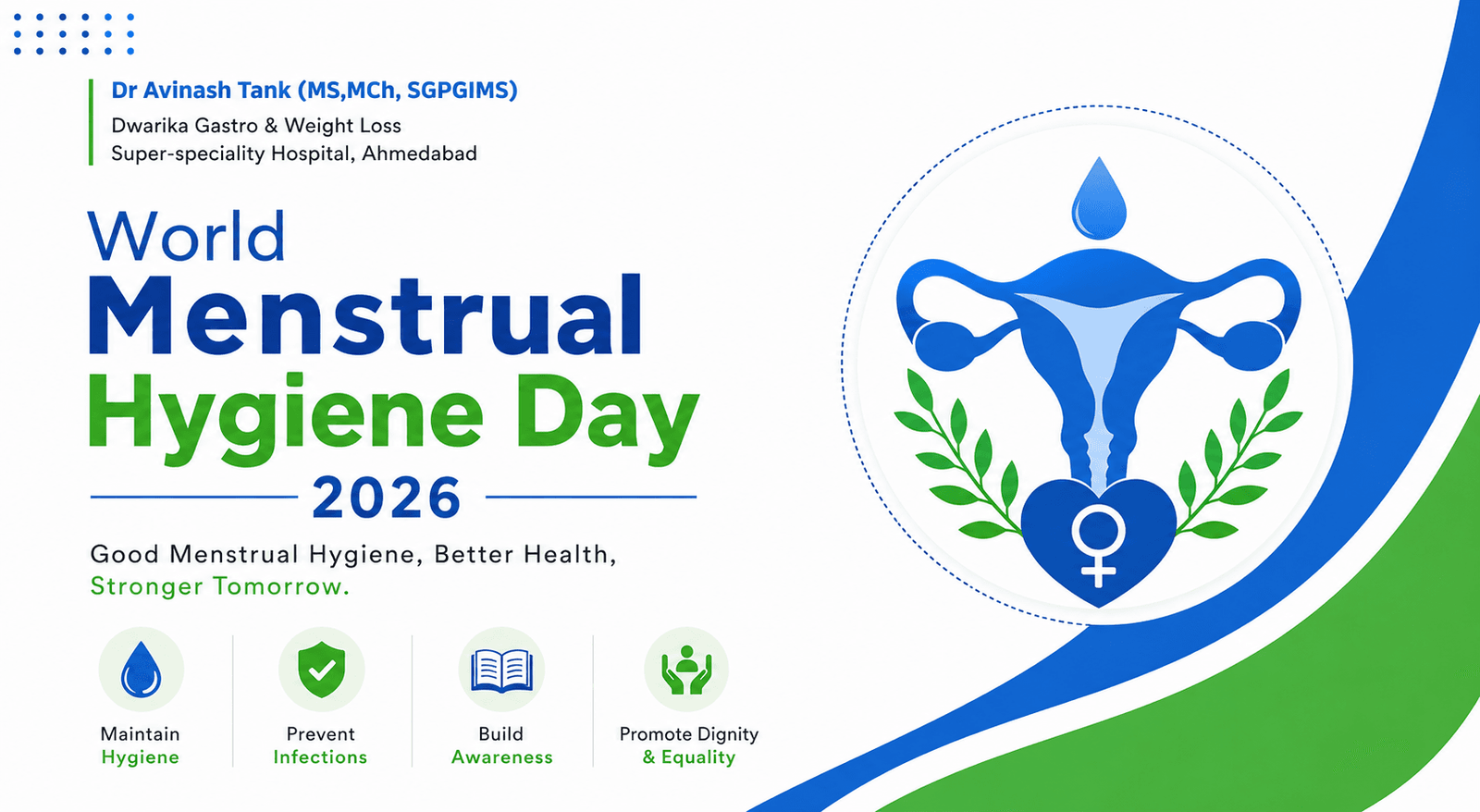
Every year on May 28, the world observes World Menstrual Hygiene Day to raise awareness about the importance of menstrual health and hygiene.
Despite being a natural biological process, menstruation continues to be surrounded by myths, stigma, embarrassment, and lack of awareness in many parts of society.
Millions of girls and women still struggle with inadequate access to sanitary products, clean toilets, safe water, and proper education regarding menstrual health.
Poor menstrual hygiene can lead to infections, school absenteeism, reduced confidence, and even long-term health complications.
World Menstrual Hygiene Day aims to normalize conversations about periods and ensure that every woman and girl can manage menstruation safely, hygienically, and with dignity.
Why is World Menstrual Hygiene Day Celebrated on May 28?
The date 28/5 carries symbolic importance:
- The average menstrual cycle lasts approximately 28 days
- The average duration of menstruation is around 5 days
This day was initiated by the organization WASH United in 2014 and has since become a global movement promoting menstrual equity and awareness.
What is Menstrual Hygiene?
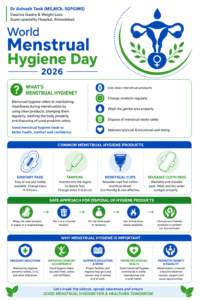
Menstrual hygiene refers to maintaining cleanliness during menstruation by:
- Using clean menstrual products
- Changing sanitary products regularly
- Washing the genital area properly
- Disposing menstrual waste safely
- Maintaining overall physical and emotional well-being during periods
Good menstrual hygiene is essential not only for comfort but also for preventing infections and maintaining reproductive health.
Common Menstrual Hygiene Products
Today, women have multiple safe options available for menstrual care.
1. Sanitary Pads
Disposable sanitary pads are the most commonly used menstrual products.
Advantages
- Easy to use
- Widely available
- Suitable for beginners
Disadvantages
- Environmental waste
- Can cause rashes if not changed regularly
2. Tampons
Tampons are absorbent products inserted into the vagina.
Advantages
- Comfortable during sports and swimming
- Less visible under clothing
Precautions
- Must be changed every 4–6 hours
- Prolonged use can rarely cause Toxic Shock Syndrome (TSS)
3. Menstrual Cups
Menstrual cups are reusable silicone cups inserted into the vagina to collect menstrual blood.
Advantages
- Eco-friendly
- Cost-effective in the long term
- Reusable for years
Challenges
- Requires proper cleaning
- Learning curve for first-time users
4. Reusable Cloth Pads
These are washable cloth-based menstrual products.
Benefits
- Environment friendly
- Economical
Important Note
They must be washed and dried properly under sunlight to prevent bacterial growth.
Importance of Menstrual Hygiene
Maintaining proper menstrual hygiene is extremely important for women’s health.
Prevents Infections
Poor hygiene can lead to:
- Urinary tract infections (UTIs)
- Vaginal infections
- Skin irritation
- Fungal infections
Improves Comfort and Confidence
Good menstrual practices help women remain:
- Comfortable
- Active
- Confident
- Productive during periods
Promotes School and Workplace Participation
Many girls skip school due to:
- Lack of sanitary products
- Absence of clean toilets
- Social embarrassment
Improving menstrual hygiene facilities helps increase education and workplace participation among women.
Common Myths About Menstruation
Even today, several misconceptions exist regarding periods.
Myth 1: Menstruating Women are “Impure”
Menstruation is a completely natural biological process and has nothing to do with impurity.
Myth 2: Girls Should Avoid Exercise During Periods
Light exercise and walking can actually help reduce:
- Cramps
- Mood swings
- Bloating
Myth 3: Period Blood is Dirty Blood
Menstrual blood is not “dirty.” It consists of blood and uterine lining shed naturally from the body.
Myth 4: Menstrual Pain is Always Normal
Mild discomfort is common, but severe pain may indicate conditions like:
- Endometriosis
- PCOS (PMOS)
- Fibroids
- Pelvic infections
Women experiencing excessive pain should consult a healthcare professional.
Signs of Poor Menstrual Hygiene
Women should seek medical attention if they experience:
- Persistent itching
- Foul-smelling discharge
- Skin rashes
- Burning sensation
- Fever during menstruation
- Severe pelvic pain
Ignoring these symptoms may lead to worsening infections.
Tips for Good Menstrual Hygiene
Change Pads Regularly
Sanitary pads should ideally be changed every 4–6 hours.
Wash Hands Before and After
Always wash hands before and after changing menstrual products to reduce infection risk.
Clean the Genital Area Properly
Use clean water and mild soap externally. Avoid excessive use of scented intimate products.
Stay Hydrated
Drinking adequate water helps reduce bloating and fatigue.
Maintain a Healthy Diet
Iron-rich foods such as:
- Green leafy vegetables
- Dates
- Pomegranate
- Beans
- Nuts
help compensate for blood loss during menstruation.
Dispose Products Safely
Used sanitary products should be wrapped properly before disposal to maintain hygiene and protect the environment.
Menstrual Hygiene and Mental Health
Periods can affect emotional well-being due to hormonal fluctuations.
Women may experience:
- Mood swings
- Anxiety
- Irritability
- Fatigue
Supportive conversations, proper education, and reducing stigma are essential for emotional health during menstruation.
Menstrual Hygiene Challenges in India
Despite progress, many girls and women in India still face:
- Lack of awareness
- Limited access to sanitary products
- Poor sanitation facilities
- Social taboos
- Financial barriers
In rural areas, some women continue using unsafe materials like:
- Old cloth
- Ash
- Sand
- Newspaper
These practices significantly increase infection risk.
Role of Families and Society
Improving menstrual health requires collective effort.
Parents Should:
- Educate girls before menarche
- Encourage open discussions
- Avoid shame-based language
Schools Should:
- Provide menstrual education
- Ensure clean toilets
- Offer sanitary pad availability
Society Should:
- Normalize conversations about periods
- End discriminatory practices
- Support menstrual health awareness campaigns
Sustainable Menstrual Hygiene
Eco-friendly menstrual practices are gaining importance.
Sustainable options include:
- Menstrual cups
- Reusable cloth pads
- Biodegradable sanitary pads
These alternatives reduce environmental pollution caused by disposable products.
When to Consult a Doctor
Women should seek medical advice if they experience:
- Extremely heavy bleeding
- Irregular cycles
- Severe menstrual pain
- Bleeding between periods
- Absence of periods
- Unusual vaginal discharge
Early diagnosis can help identify underlying gynecological conditions.
Conclusion
World Menstrual Hygiene Day is more than just a health awareness campaign—it is a movement toward dignity, equality, education, and empowerment.
Menstruation should never be a source of shame or discrimination. By spreading awareness, encouraging open conversations, and improving access to menstrual hygiene products, society can help millions of women and girls live healthier and more confident lives.
Let us work together to break the silence around periods and promote menstrual health for every woman, everywhere.
About the Author
Dr. Avinash Tank (MS, MCh – SGPGIMS)
Dwarika Gastro & Weight Loss Super-speciality Hospital, Ahmedabad
Committed to promoting preventive healthcare awareness and improving community health education.