

Reading Time: 20 minutes
Amaltas (Cassia Fistula): Complete Guide to Health Benefit
Highest SEO Potential Topics (Write First)
- Amaltas Benefits for Health
- How to Use Amaltas for Constipation
- Amaltas Side Effects and Precautions
- Nutritional Value of Amaltas
- Amaltas for Weight Loss
- Amaltas for Liver Health
- Amazing Facts About Amaltas
- Health Benefits of Amaltas Fruit Pulp
- Amaltas in Ayurveda
- Amaltas vs Isabgol
1. Amaltas Benefits for Health: Evidence-Based Health Advantages of Cassia Fistula
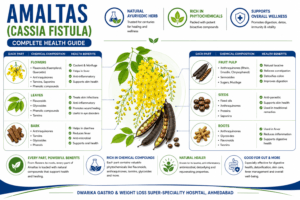
Amaltas (Cassia fistula), also known as the Golden Shower Tree or Aragvadha in Ayurveda, is one of the most respected medicinal plants in traditional Indian medicine. Famous for its beautiful golden-yellow flowers, Amaltas has been used for centuries to support digestive health, detoxification, skin wellness, and overall well-being. Modern scientific research has identified numerous bioactive compounds in Amaltas that help explain many of its traditional uses.
The fruit pulp, flowers, leaves, bark, and roots of the plant contain antioxidants, flavonoids, anthraquinones, tannins, glycosides, and phenolic compounds that contribute to its therapeutic effects.
1. Supports Healthy Bowel Movements
The most well-known benefit of Amaltas is its ability to relieve occasional constipation. The fruit pulp contains naturally occurring anthraquinones that stimulate bowel activity and help soften stools.
Unlike harsh stimulant laxatives, Amaltas is traditionally regarded as a gentler alternative when used in recommended quantities. It may help reduce straining during bowel movements and improve overall digestive comfort.
2. Promotes Digestive Health
A healthy digestive system is essential for overall wellness. Amaltas has traditionally been used to support digestive function by encouraging proper elimination of waste products from the body.
People experiencing occasional bloating, sluggish digestion, or feelings of heaviness may find digestive support through the appropriate use of Amaltas. However, it should complement healthy eating habits rather than replace them.
3. Rich Source of Antioxidants
Oxidative stress occurs when harmful free radicals damage cells and tissues. Amaltas contains several antioxidant compounds, including flavonoids and phenolic substances, which help neutralize these free radicals.
Antioxidants play an important role in protecting cells from premature aging and may contribute to long-term health maintenance.
4. May Support Liver Function
Traditional Ayurvedic texts describe Amaltas as a useful herb for cleansing and detoxification. Experimental studies suggest that some compounds present in Amaltas may help protect liver cells from oxidative stress.
Although more human clinical research is needed, Amaltas continues to be used in traditional systems of medicine as a supportive herb for liver wellness.
5. Anti-Inflammatory Properties
Inflammation contributes to many chronic health conditions. Research has demonstrated that Amaltas contains compounds with anti-inflammatory activity.
These properties may help explain its traditional use in certain inflammatory skin conditions and digestive disorders.
6. Supports Skin Health
Ayurveda often links healthy skin with proper digestion and elimination. Traditional practitioners have used Amaltas for conditions involving itching, rashes, and skin irritation.
Its antioxidant and antimicrobial properties may contribute to skin-supportive effects, although medical evaluation remains important for persistent skin diseases.
7. Natural Cooling Effect
According to Ayurvedic principles, Amaltas possesses a cooling nature. For this reason, it is commonly used during summer months and in conditions associated with excess body heat.
Many traditional formulations containing Amaltas are intended to promote comfort during hot weather.
8. Potential Antimicrobial Activity
Scientific studies have demonstrated antimicrobial activity in extracts of various parts of the Amaltas plant. These findings suggest potential benefits in controlling certain microorganisms, although further clinical studies are required.
9. May Support Metabolic Health
Preliminary research indicates that Amaltas may have beneficial effects on glucose metabolism and oxidative stress. While these findings are promising, it should never replace prescribed treatment for diabetes or other metabolic disorders.
Conclusion
Amaltas is far more than a beautiful flowering tree. Its traditional use in Ayurveda and growing scientific evidence suggest benefits for digestive health, bowel regularity, antioxidant protection, skin wellness, and overall health support. However, like any medicinal herb, it should be used responsibly and in recommended doses. The greatest benefits are achieved when Amaltas is combined with a balanced diet, adequate hydration, regular physical activity, and healthy lifestyle habits.
2. How to Use Amaltas for Constipation: Complete Evidence-Based Guide
Constipation is one of the most common digestive complaints worldwide. It can cause infrequent bowel movements, hard stools, excessive straining, abdominal discomfort, bloating, and a feeling of incomplete evacuation. In Ayurveda, Amaltas (Cassia fistula), known as Aragvadha, has been used for centuries as a natural remedy to support healthy bowel movements.
Among all parts of the plant, the fruit pulp is considered the most valuable for relieving constipation. Traditional Ayurvedic texts describe it as a gentle laxative that helps clear the bowels without causing excessive irritation when used appropriately.
Why Amaltas Helps Relieve Constipation
The fruit pulp of Amaltas contains naturally occurring compounds called anthraquinones, including rhein and related derivatives. These compounds help stimulate bowel movement and increase the movement of stool through the intestines.
Additionally, the pulp contains natural sugars and fiber-like components that help soften stools and facilitate easier passage.
As a result, Amaltas may help:
- Improve bowel regularity
- Reduce straining during defecation
- Soften hard stools
- Support complete bowel evacuation
- Reduce feelings of abdominal heaviness
Who May Benefit from Amaltas?
Amaltas may be useful for people experiencing:
- Occasional constipation
- Travel-related constipation
- Sedentary lifestyle-related constipation
- Mild age-related bowel sluggishness
- Temporary constipation due to dietary changes
However, chronic constipation should always be evaluated by a healthcare professional to identify underlying causes.
How to Use Amaltas Fruit Pulp
Traditional Method
Ingredients:
- 5–10 grams ripe Amaltas fruit pulp
- One glass of warm water
Method:
- Remove the pulp from a mature pod.
- Mix thoroughly in warm water.
- Consume after dinner or before bedtime.
Many individuals experience bowel movement improvement within the next morning.
Start with Small Quantities
A common mistake is taking excessive amounts.
For first-time users:
- Begin with 2–3 grams.
- Observe the response.
- Increase gradually if necessary.
This approach minimizes the risk of diarrhea and abdominal cramps.
How Often Should It Be Used?
Amaltas is best used:
- Occasionally when constipation occurs.
- For short periods of 1–3 days.
It should not become a substitute for healthy bowel habits.
Long-term daily use of any laxative, including herbal laxatives, should be avoided unless specifically advised by a healthcare professional.
Important Lifestyle Measures
No herbal remedy can replace healthy lifestyle habits.
For best results, combine Amaltas with:
Adequate Hydration
Drink sufficient water throughout the day. Inadequate hydration is a major cause of constipation.
High-Fiber Diet
Include:
- Fruits
- Vegetables
- Whole grains
- Salads
- Legumes
Physical Activity
Regular walking and exercise improve intestinal movement and bowel function.
Common Mistakes to Avoid
Taking Excessive Quantities
More is not always better.
Excessive intake may cause:
- Diarrhea
- Abdominal cramps
- Dehydration
- Electrolyte imbalance
Using It Daily for Months
Persistent dependence on laxatives may interfere with normal bowel function.
Ignoring Warning Signs
Seek medical attention if constipation is associated with:
- Blood in stool
- Unexplained weight loss
- Persistent abdominal pain
- Anemia
- Sudden change in bowel habits
Who Should Consult a Doctor Before Using Amaltas?
Medical advice is recommended for:
- Pregnant women
- Breastfeeding mothers
- Children
- Elderly individuals with multiple illnesses
- Patients with kidney disease
- Patients with inflammatory bowel disease
Conclusion
Amaltas remains one of Ayurveda’s most trusted natural remedies for occasional constipation. When used in appropriate quantities, the fruit pulp can support healthy bowel movements, soften stools, and improve digestive comfort. However, the safest and most effective approach combines Amaltas with adequate hydration, a fiber-rich diet, regular physical activity, and proper medical evaluation when symptoms persist.
3. Amaltas Side Effects and Precautions: What Every User Should Know Before Taking Cassia Fistula
Amaltas (Cassia fistula), commonly known as the Golden Shower Tree, is widely recognized in Ayurveda for its digestive and laxative properties. It has been used safely for centuries when consumed in appropriate quantities. However, many people assume that because Amaltas is a natural herbal remedy, it can be used freely without limitations. This is a misconception.
Like all medicinal plants, Amaltas can cause side effects if consumed excessively, used improperly, or taken by individuals with certain medical conditions. Understanding these risks is essential for obtaining benefits while avoiding complications.
Why Side Effects Occur
Most side effects associated with Amaltas result from its natural laxative activity. The fruit pulp contains anthraquinone compounds that stimulate bowel movement and promote stool evacuation.
While this action helps relieve constipation, excessive stimulation of the intestines may produce unwanted effects.
The risk increases when:
- Large quantities are consumed
- Amaltas is used daily for prolonged periods
- It is combined with other laxatives
- Water intake is inadequate
Common Side Effects of Amaltas
1. Loose Stools
The most frequently reported side effect is loose stools.
This usually occurs when:
- The dosage is too high
- The user is particularly sensitive to laxatives
Reducing the dose often resolves the problem.
2. Diarrhea
Excessive intake may lead to diarrhea.
Symptoms may include:
- Frequent bowel movements
- Urgency
- Watery stools
Persistent diarrhea can result in dehydration and electrolyte imbalance.
Some individuals experience temporary abdominal discomfort or cramping.
This occurs because the intestinal muscles are stimulated to move stool through the bowel.
4. Bloating and Gas
A minority of users may develop:
- Mild bloating
- Increased gas formation
- Temporary abdominal fullness
These symptoms usually improve after discontinuing use.
5. Dehydration
Repeated loose motions can lead to excessive fluid loss.
Warning signs include:
- Dry mouth
- Excessive thirst
- Fatigue
- Dizziness
- Reduced urine output
Adequate water intake is essential when using Amaltas.
Long-Term Excessive Use
Although Amaltas is considered gentler than many stimulant laxatives, long-term excessive use should be avoided.
Potential concerns include:
- Dependence on laxatives for bowel movements
- Electrolyte disturbances
- Chronic diarrhea
- Reduced natural bowel function
For this reason, Amaltas should be used primarily for occasional constipation rather than as a permanent daily supplement.
Who Should Be Extra Careful?
Pregnant Women
Scientific data regarding safety during pregnancy remains limited.
Pregnant women should consult their healthcare provider before using Amaltas.
Breastfeeding Mothers
Medical guidance is recommended before use during lactation.
Children
Children may be more sensitive to laxative effects.
Use only under professional supervision.
Elderly Individuals
Older adults are more susceptible to dehydration and electrolyte imbalance.
Lower doses and medical supervision may be appropriate.
Patients with Gastrointestinal Disorders
Individuals with:
- Crohn’s disease
- Ulcerative colitis
- Chronic diarrhea
- Intestinal obstruction
should avoid self-medication with Amaltas.
Potential Drug Interactions
Amaltas may interact with:
Other Laxatives
Combining multiple laxatives can increase the risk of severe diarrhea.
Diuretics
The combination may increase fluid and electrolyte loss.
Diabetes Medications
Some experimental studies suggest possible effects on blood sugar regulation.
Patients taking diabetes medications should monitor glucose levels carefully and consult their physician.
How to Use Amaltas Safely
To minimize side effects:
✓ Start with a small dose
✓ Drink adequate water
✓ Avoid prolonged daily use
✓ Do not combine with other laxatives
✓ Follow professional guidance if you have chronic illnesses
✓ Stop use if significant diarrhea develops
When to Seek Medical Attention
Consult a healthcare professional immediately if you experience:
- Severe abdominal pain
- Persistent diarrhea
- Blood in stool
- Significant dehydration
- Allergic reactions
- Worsening digestive symptoms
Conclusion
Amaltas is generally considered a safe Ayurvedic herb when used responsibly. Most side effects occur because of excessive consumption rather than appropriate therapeutic use. Starting with small doses, maintaining good hydration, and avoiding long-term dependence can help maximize benefits while minimizing risks. Individuals who are pregnant, elderly, have chronic illnesses, or take regular medications should seek medical advice before incorporating Amaltas into their health routine.
4. Nutritional Value of Amaltas: Nutrients, Phytochemicals and Their Health Benefits
Amaltas (Cassia fistula), also known as the Golden Shower Tree, is primarily valued for its medicinal properties rather than as a conventional food source. Nevertheless, various parts of the plant—particularly the fruit pulp—contain important nutrients and bioactive compounds that contribute to its health-promoting effects.
Unlike many medicinal herbs that rely on a single active ingredient, Amaltas contains a diverse range of naturally occurring phytochemicals, antioxidants, minerals, and plant compounds. These components work together to support digestive health, antioxidant defense, and overall wellness.
Nutritional Components of Amaltas Fruit Pulp
The fruit pulp contains:
- Natural carbohydrates
- Dietary fiber
- Natural sugars
- Small amounts of protein
- Trace amounts of healthy plant compounds
- Essential minerals
Although Amaltas is not consumed in large quantities like fruits or vegetables, its nutritional content contributes to its medicinal value.
Dietary Fiber and Digestive Health
One of the most important components of Amaltas is its fiber content.
Dietary fiber helps:
- Support bowel regularity
- Improve stool consistency
- Promote healthy digestion
- Reduce constipation risk
Fiber also contributes to feelings of fullness and may indirectly support healthy eating habits.
The traditional use of Amaltas for constipation is partly related to its fiber content, combined with its natural laxative compounds.
Natural Sugars and Energy
The ripe fruit pulp contains natural sugars that provide a mild source of energy.
Unlike refined sugars, these sugars occur naturally within the plant matrix and are consumed in relatively small medicinal quantities.
These sugars may also contribute to the soft texture of the fruit pulp and its mild laxative action.
Important Minerals Found in Amaltas
Potassium
Potassium plays an important role in:
- Muscle function
- Nerve signaling
- Fluid balance
- Heart health
Adequate potassium intake supports normal physiological functions throughout the body.
Calcium
Calcium is essential for:
- Bone health
- Teeth strength
- Muscle contraction
- Nerve function
Although Amaltas is not a major dietary source of calcium, its presence contributes to the plant’s overall nutritional profile.
Magnesium
Magnesium participates in hundreds of biochemical reactions within the body.
It supports:
- Energy production
- Muscle relaxation
- Nerve function
- Bone metabolism
Iron
Iron is necessary for:
- Red blood cell production
- Oxygen transport
- Energy metabolism
Trace amounts of iron contribute to the nutritional value of Amaltas.
Phytochemicals: The Real Strength of Amaltas
The health benefits of Amaltas are largely attributed to its phytochemicals rather than its macronutrients.
Anthraquinones
These compounds include:
- Rhein
- Chrysophanol
- Emodin derivatives
Anthraquinones are primarily responsible for the laxative effects of Amaltas.
They stimulate intestinal movement and support bowel evacuation.
Flavonoids
Flavonoids are powerful antioxidant compounds.
Potential benefits include:
- Protection from oxidative stress
- Support for cardiovascular health
- Reduction of cellular damage
Phenolic Compounds
Phenolic substances help neutralize free radicals and contribute to antioxidant activity.
These compounds may support healthy aging and overall wellness.
Tannins
Tannins possess:
- Antioxidant properties
- Antimicrobial activity
- Traditional wound-healing applications
Glycosides
Glycosides contribute to several pharmacological actions observed in medicinal plants.
Saponins
Research suggests that saponins may have:
- Immune-supportive properties
- Antioxidant effects
- Potential metabolic benefits
Antioxidant Capacity of Amaltas
Modern research has shown that Amaltas contains multiple antioxidant compounds capable of reducing oxidative stress.
Oxidative stress has been linked to:
- Aging
- Cardiovascular disease
- Metabolic disorders
- Chronic inflammation
By helping neutralize free radicals, antioxidants contribute to long-term cellular health.
Why Nutritional Value Matters
While Amaltas should not be viewed as a major source of calories, protein, or vitamins, its combination of fiber, minerals, antioxidants, and phytochemicals makes it a valuable medicinal plant.
The nutritional and phytochemical profile of Amaltas helps explain its traditional use in supporting digestive health, bowel regularity, antioxidant protection, and general wellness.
Conclusion
The nutritional value of Amaltas extends far beyond basic nutrients. Its true strength lies in its unique combination of dietary fiber, essential minerals, anthraquinones, flavonoids, phenolic compounds, tannins, and other bioactive substances. Together, these compounds contribute to the digestive, antioxidant, and health-supportive properties that have made Amaltas an important medicinal plant in Ayurveda for centuries.
5. Amaltas for Weight Loss: Can Cassia Fistula Really Help You Lose Weight? Science, Myths and Facts
With increasing awareness about obesity and metabolic health, many people search for natural remedies that may support weight loss. Amaltas (Cassia fistula), a well-known Ayurvedic medicinal plant, is often promoted as a natural detoxifier and digestive aid. This has led to the common belief that Amaltas can directly help reduce body weight.
But does science support this claim?
The answer is both yes and no. Amaltas may support certain factors associated with weight management, but it is not a fat-burning herb and should not be viewed as a miracle weight-loss solution.
The Biggest Myth About Amaltas and Weight Loss
Many people notice a temporary reduction in body weight after taking laxatives, including Amaltas.
This weight loss is usually due to:
- Elimination of stool from the intestines
- Temporary loss of water
- Reduced abdominal bloating
It is important to understand that this is not fat loss.
True weight loss occurs when body fat decreases through a combination of:
- Calorie control
- Healthy nutrition
- Physical activity
- Adequate sleep
- Sustainable lifestyle changes
How Amaltas May Indirectly Support Weight Management
1. Improves Bowel Regularity
Constipation can cause:
- Abdominal discomfort
- Bloating
- Feeling of heaviness
The fruit pulp of Amaltas helps promote bowel movements and improve digestive comfort.
Many individuals feel lighter and less bloated after relieving constipation.
2. Supports Digestive Health
Good digestion plays an important role in overall health.
Amaltas has traditionally been used to:
- Support intestinal function
- Promote regular elimination
- Improve digestive comfort
A healthy digestive system may help individuals maintain healthier eating habits.
3. May Encourage Better Dietary Choices
People suffering from chronic constipation often consume inadequate amounts of:
- Fruits
- Vegetables
- Water
- Fiber
When Amaltas is used as part of a broader digestive health program, individuals are often encouraged to improve their overall nutrition, which can support weight management.
4. Rich in Antioxidant Compounds
Amaltas contains flavonoids, phenolic compounds, and other antioxidants.
These compounds help reduce oxidative stress, which has been associated with obesity and metabolic disorders.
Although antioxidants do not directly cause weight loss, they may support overall metabolic health.
What Research Suggests
Experimental studies have investigated the antioxidant, anti-inflammatory, and metabolic effects of compounds found in Amaltas.
Some findings suggest potential benefits related to:
- Glucose metabolism
- Oxidative stress reduction
- Metabolic regulation
However, there is currently insufficient evidence to conclude that Amaltas directly causes significant weight reduction in humans.
More clinical studies are needed before such claims can be made.
Can Amaltas Reduce Belly Fat?
No scientific evidence currently demonstrates that Amaltas specifically reduces:
- Belly fat
- Visceral fat
- Waist circumference
Claims that Amaltas melts abdominal fat should be viewed with caution.
Sustainable reduction of belly fat requires:
- Calorie deficit
- Regular exercise
- Resistance training
- Improved dietary quality
Safe Use of Amaltas During a Weight Loss Program
If constipation is interfering with your weight-loss efforts, occasional use of Amaltas may be helpful.
General approach:
- Use only when needed
- Stay well hydrated
- Follow a high-fiber diet
- Avoid excessive intake
Remember that Amaltas should support a healthy lifestyle—not replace it.
Common Mistakes
Using Amaltas Daily for Weight Loss
Daily use may lead to:
- Diarrhea
- Electrolyte imbalance
- Dehydration
Assuming Bowel Emptying Equals Fat Loss
A flatter abdomen after a bowel movement does not mean body fat has been reduced.
Ignoring Diet and Exercise
No herbal remedy can compensate for poor lifestyle habits.
The Best Weight-Loss Strategy
For sustainable results, focus on:
✓ High-protein nutrition
✓ Adequate fiber intake
✓ Regular physical activity
✓ Good sleep
✓ Stress management
✓ Medical evaluation when necessary
Amaltas can play a supportive role in digestive health but should never be considered the primary weight-loss treatment.
Conclusion
Amaltas is not a fat-burning herb, nor is it a shortcut to weight loss. Its main contribution is supporting digestive health, reducing constipation-related bloating, and promoting bowel regularity. These benefits may help some individuals feel lighter and more comfortable during a weight-loss journey. However, meaningful fat loss still depends on healthy eating, physical activity, and long-term lifestyle changes. Used responsibly, Amaltas can be a useful supportive herb within a comprehensive weight-management program.
6. Amaltas for Liver Health: Can Cassia Fistula Support a Healthy Liver? Evidence, Benefits and Precautions
The liver is one of the most important organs in the human body. It plays a central role in digestion, metabolism, detoxification, hormone regulation, nutrient storage, and immune function. With the increasing prevalence of fatty liver disease, obesity, diabetes, and unhealthy dietary habits, many people are exploring natural approaches to support liver health.
Amaltas (Cassia fistula), known as Aragvadha in Ayurveda, has long been used in traditional medicine for its cleansing and detoxifying properties. While it is best known for relieving constipation, Ayurvedic practitioners have also used Amaltas to support healthy liver function and digestive wellness.
The Connection Between Digestion and Liver Health
Ayurveda considers the digestive system and liver closely interconnected. Poor digestion, constipation, and accumulation of metabolic waste are believed to place additional stress on the body’s detoxification mechanisms.
Because Amaltas promotes bowel regularity and healthy elimination, it has traditionally been viewed as a herb that indirectly supports liver wellness.
Improved bowel movements may help reduce the reabsorption of waste products and contribute to better digestive function.
Bioactive Compounds in Amaltas
Researchers have identified several phytochemicals in Amaltas that may contribute to liver-supportive effects.
These include:
- Flavonoids
- Phenolic compounds
- Anthraquinones
- Tannins
- Glycosides
- Antioxidants
Many of these compounds possess antioxidant and anti-inflammatory properties, which are important for maintaining liver health.
Antioxidant Protection and the Liver
The liver is constantly exposed to substances that can generate oxidative stress.
Oxidative stress occurs when harmful free radicals overwhelm the body’s antioxidant defenses.
This process has been linked to:
- Fatty liver disease
- Liver inflammation
- Cellular injury
- Metabolic disorders
The antioxidant compounds present in Amaltas may help neutralize free radicals and reduce oxidative damage to liver cells.
Although this does not mean Amaltas can cure liver disease, antioxidant support is considered beneficial for overall liver health.
Potential Hepatoprotective Effects
Several experimental studies have investigated the hepatoprotective (liver-protective) properties of Amaltas extracts.
Research suggests that certain compounds found in the plant may:
- Reduce oxidative stress
- Support liver cell integrity
- Improve markers of liver injury in experimental models
These findings are encouraging but should be interpreted carefully because most evidence comes from laboratory and animal studies rather than large human clinical trials.
Can Amaltas Help Fatty Liver?
Non-alcoholic fatty liver disease (NAFLD) is commonly associated with:
- Obesity
- Diabetes
- Insulin resistance
- High cholesterol
- Sedentary lifestyle
At present, there is insufficient evidence to recommend Amaltas as a treatment for fatty liver disease.
However, its role in supporting:
- Digestive health
- Antioxidant defense
- Bowel regularity
may complement broader lifestyle measures used to improve liver health.
Lifestyle Factors Matter More
No herb can replace the proven foundations of liver care.
The most effective strategies for maintaining liver health include:
Healthy Body Weight
Excess body fat significantly increases fatty liver risk.
Regular Exercise
Physical activity improves insulin sensitivity and liver metabolism.
Balanced Nutrition
A diet rich in:
- Vegetables
- Fruits
- Whole grains
- Lean proteins
supports healthy liver function.
Limiting Alcohol
Excessive alcohol consumption can cause significant liver damage.
Safe Use of Amaltas for Liver Wellness
For individuals using Amaltas primarily to support digestive health and general wellness:
- Use recommended quantities only.
- Avoid prolonged excessive consumption.
- Maintain adequate hydration.
- Follow a healthy diet.
Amaltas should be viewed as a supportive herb rather than a treatment for liver disease.
When Medical Evaluation is Essential
Seek medical advice if you have:
- Fatty liver disease
- Hepatitis
- Cirrhosis
- Abnormal liver function tests
- Persistent abdominal symptoms
Herbal remedies should never replace proper diagnosis and evidence-based medical care.
Conclusion
Amaltas has a long history of use in Ayurveda as a cleansing and digestive-supportive herb. Its antioxidant, anti-inflammatory, and potential hepatoprotective properties suggest a possible role in supporting overall liver wellness. While current scientific evidence is promising, Amaltas should not be considered a cure or primary treatment for liver disease. The greatest liver benefits are achieved when Amaltas is combined with healthy nutrition, regular exercise, weight management, and appropriate medical supervision.
7. Amazing Facts About Amaltas: 10 Fascinating Scientific, Ayurvedic and Historical Facts About Cassia Fistula
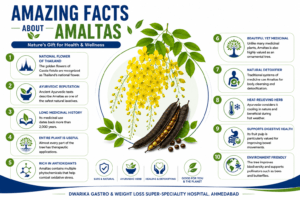
Amaltas (Cassia fistula), popularly known as the Golden Shower Tree, is one of the most beautiful and medicinally important trees found in India and many tropical countries. Every summer, its spectacular yellow flower clusters transform roadsides, parks, and gardens into golden landscapes. Beyond its ornamental beauty, Amaltas has a remarkable history in Ayurveda, traditional medicine, environmental conservation, and modern scientific research.
Here are ten amazing facts about Amaltas that make it one of nature’s most fascinating medicinal trees.
1. Amaltas is the National Flower of Thailand
One of the most interesting facts about Amaltas is that its brilliant yellow flowers are officially recognized as the national flower of Thailand.
The golden color symbolizes:
- Prosperity
- Royalty
- Good fortune
- Unity
Every year, its blooming season creates breathtaking golden landscapes across the country.
2. Ayurveda Calls It “Aragvadha”
In Ayurveda, Amaltas is known as Aragvadha.
The Sanskrit word means:
“Disease Remover” or “Destroyer of Illness.”
This name reflects the high regard ancient Ayurvedic physicians had for the plant and its medicinal applications.
3. More Than 2,000 Years of Medicinal Use
Amaltas has been mentioned in classical Ayurvedic texts for over two millennia.
Ancient physicians used it for:
- Constipation
- Skin disorders
- Fever
- Digestive problems
- Detoxification therapies
Its continued use today highlights the enduring value of traditional medicinal knowledge.
4. Almost Every Part of the Tree is Medicinal
Unlike many medicinal plants that rely on a single useful component, nearly every part of Amaltas has therapeutic applications.
These include:
- Fruit pulp
- Flowers
- Leaves
- Bark
- Roots
- Seeds
Each part contains unique phytochemicals and medicinal properties.
5. The Fruit Pulp is Ayurveda’s Famous Natural Laxative
The fruit pulp is perhaps the most widely used medicinal part of Amaltas.
It contains naturally occurring anthraquinones that help:
- Promote bowel movements
- Relieve occasional constipation
- Support digestive health
When used appropriately, it is generally considered gentler than many synthetic laxatives.
6. Rich in Antioxidants
Scientific studies have identified several antioxidant compounds in Amaltas.
These include:
- Flavonoids
- Phenolic compounds
- Tannins
Antioxidants help protect cells from oxidative stress, which is associated with aging and many chronic diseases.
7. A Tree That Supports Biodiversity
Amaltas is not only beneficial for humans but also for the environment.
Its flowers attract:
- Bees
- Butterflies
- Pollinating insects
By supporting pollinators, the tree contributes to ecological balance and biodiversity.
8. Naturally Adapted to Hot Climates
Amaltas thrives in high temperatures and dry conditions.
Its ability to tolerate heat makes it particularly valuable in tropical and subtropical regions.
This resilience partly explains why Ayurveda considers it a cooling herb despite growing in hot environments.
9. Modern Research Supports Several Traditional Uses
Researchers have investigated Amaltas for its:
- Antioxidant activity
- Anti-inflammatory effects
- Antimicrobial properties
- Hepatoprotective potential
Although further human studies are needed, many traditional uses are now being explored scientifically.
10. One of the Most Beautiful Medicinal Trees in the World
Many medicinal plants are valued solely for their therapeutic properties.
Amaltas is unique because it combines:
- Ornamental beauty
- Ecological value
- Traditional medicinal significance
- Scientific interest
Its cascading golden flowers make it one of the most visually striking medicinal trees found anywhere in the world.
Why These Facts Matter
Understanding the history, ecology, and medicinal significance of Amaltas helps us appreciate why it remains an important plant in Ayurveda and modern herbal medicine. It is not merely a flowering tree—it is a remarkable example of how nature can provide beauty, environmental benefits, and potential health-supportive properties in a single species.
Conclusion
From being Thailand’s national flower to earning the Ayurvedic title of “Disease Remover,” Amaltas has an extraordinary story. Its rich medicinal heritage, antioxidant content, environmental importance, and stunning golden blossoms make it one of the most fascinating medicinal trees known to mankind. As scientific research continues to explore its therapeutic potential, Amaltas remains a shining symbol of the connection between traditional wisdom and modern health science.
8. Amaltas in Ayurveda: Traditional Uses, Ayurvedic Properties, Classical References and Modern Relevance
Amaltas (Cassia fistula), known in Ayurveda as Aragvadha, occupies a special place among medicinal plants described in ancient Ayurvedic literature. The Sanskrit word Aragvadha translates to “Disease Remover”, reflecting the high regard ancient physicians had for this remarkable tree.
For thousands of years, Amaltas has been used in Ayurveda to support digestive health, bowel regularity, detoxification, skin wellness, and overall balance within the body. Its continued use in modern Ayurvedic practice demonstrates the enduring value of traditional medical knowledge.
Meaning of Aragvadha
The name Aragvadha is derived from two Sanskrit words:
- Ari = Disease
- Vadha = Destroyer
Thus, Aragvadha literally means:
“One that destroys diseases.”
This title indicates the broad therapeutic applications attributed to the plant in classical Ayurvedic medicine.
Ayurvedic Classification of Amaltas
According to Ayurvedic principles, every medicinal plant possesses specific qualities that influence its therapeutic actions.
Rasa (Taste)
Amaltas is predominantly:
- Madhura (Sweet)
The sweet taste is generally associated with nourishment and cooling effects.
Guna (Qualities)
Its qualities are described as:
- Guru (Heavy)
- Mridu (Soft)
These properties contribute to its gentle laxative action.
Virya (Potency)
Amaltas possesses:
- Sheeta Virya (Cooling Potency)
This cooling nature explains its traditional use in conditions associated with excess heat within the body.
Vipaka (Post-Digestive Effect)
It is believed to have:
- Madhura Vipaka (Sweet Post-Digestive Effect)
This supports nourishment and balance after digestion.
Classical Ayurvedic Uses
Ancient Ayurvedic texts describe Amaltas for various health conditions.
Constipation
The fruit pulp remains one of Ayurveda’s best-known natural laxatives.
It is traditionally used to:
- Soften stools
- Improve bowel movements
- Reduce straining
Skin Disorders
Ayurvedic physicians have historically used various parts of the plant in skin conditions involving:
- Itching
- Rashes
- Inflammatory skin problems
Digestive Health
Amaltas has been employed to support:
- Healthy digestion
- Proper elimination
- Gastrointestinal comfort
Fever and Heat-Related Conditions
Its cooling properties make it useful in certain conditions associated with excessive body heat.
Importance in Panchakarma
Panchakarma refers to Ayurveda’s detoxification and purification therapies.
Because of its mild cleansing action, Amaltas has traditionally been included in certain cleansing protocols designed to support elimination and internal purification.
Its ability to promote bowel evacuation makes it particularly valuable in these practices.
Parts Used in Ayurveda
Different parts of the plant are utilized for different purposes.
Fruit Pulp
Most commonly used part.
Applications include:
- Constipation
- Digestive support
- Detoxification
Flowers
Traditionally used in:
- Cooling formulations
- Seasonal wellness preparations
Leaves
Applied externally and internally for selected conditions.
Bark
Used in specific classical formulations.
Roots and Seeds
Used less frequently and generally under professional guidance.
Why Ayurveda Values Amaltas
Several characteristics make Amaltas particularly valuable:
Gentle Action
Compared with many stronger herbal purgatives, Amaltas is considered relatively gentle when used correctly.
Cooling Nature
It is especially useful in individuals experiencing excess heat-related symptoms according to Ayurvedic principles.
Broad Therapeutic Potential
Its effects extend beyond bowel regulation to support digestive and systemic wellness.
Modern Scientific Perspective
Modern research has identified numerous compounds in Amaltas, including:
- Anthraquinones
- Flavonoids
- Phenolic compounds
- Tannins
- Glycosides
Many of these compounds demonstrate:
- Antioxidant activity
- Anti-inflammatory effects
- Antimicrobial properties
These findings provide scientific support for several traditional uses described in Ayurvedic literature.
Relevance Today
Despite advances in modern medicine, digestive disorders remain common.
Many individuals continue to seek natural approaches for:
- Occasional constipation
- Digestive comfort
- Wellness support
Amaltas remains relevant because it combines centuries of traditional use with growing scientific interest.
Conclusion
Amaltas, or Aragvadha, represents one of Ayurveda’s most respected medicinal plants. Its cooling nature, gentle laxative action, and broad traditional applications have earned it a prominent place in classical Ayurvedic texts. Modern research continues to explore its medicinal potential, bridging ancient wisdom with contemporary scientific understanding. The enduring popularity of Amaltas highlights its importance as a valuable herb for digestive health and overall well-being.
9. Amaltas vs Isabgol: Which is Better for Constipation, Gut Health and Daily Use?
Constipation is one of the most common digestive complaints worldwide. Among natural remedies, Amaltas (Cassia fistula) and Isabgol (Psyllium Husk) are two of the most popular options. Both have been used for generations to support bowel health, but they work in very different ways.
Understanding their differences can help individuals choose the most suitable option for their digestive needs.
What is Amaltas?
Amaltas (Cassia fistula), known as Aragvadha in Ayurveda, is a medicinal tree whose fruit pulp is traditionally used as a natural laxative.
The fruit pulp contains:
- Anthraquinones
- Flavonoids
- Phenolic compounds
- Natural sugars
- Antioxidants
Its primary use is the relief of occasional constipation.
What is Isabgol?
Isabgol, also known as Psyllium Husk (Plantago ovata), is a soluble fiber obtained from the seeds of the psyllium plant.
It is widely used to:
- Improve bowel regularity
- Increase stool bulk
- Support digestive health
- Promote gut health
Unlike Amaltas, Isabgol primarily works through its fiber content.
How They Work
Amaltas
Amaltas acts as a mild stimulant laxative.
It works by:
- Stimulating bowel movement
- Increasing intestinal activity
- Softening stool passage
This makes it useful when immediate relief from constipation is needed.
Isabgol
Isabgol acts as a bulk-forming fiber.
It works by:
- Absorbing water
- Expanding within the intestines
- Increasing stool volume
- Promoting natural bowel movement
Its action is generally slower but more physiological.
Which is Better for Constipation?
For Occasional Constipation
Winner: Amaltas
Amaltas often provides quicker relief because it directly stimulates bowel movement.
It may be helpful when:
- Constipation is temporary
- Travel-related constipation occurs
- Dietary changes trigger constipation
For Chronic Constipation
Winner: Isabgol
Isabgol is usually preferred for long-term bowel management because it improves stool consistency without stimulating the intestines.
Many gastroenterologists recommend fiber supplementation as part of long-term constipation management.
Which is Better for Daily Use?
Amaltas
Not ideal for routine daily use.
Prolonged excessive use may increase the risk of:
- Loose stools
- Diarrhea
- Dependence on laxatives
Isabgol
Generally suitable for regular use when taken with adequate water.
Its fiber content supports normal bowel function without overstimulating the intestines.
For daily digestive support, Isabgol usually has the advantage.
Which is Better for Gut Health?
Amaltas
Benefits:
- Promotes bowel evacuation
- Relieves occasional constipation
- Supports digestive comfort
However, it contributes relatively little dietary fiber.
Isabgol
Benefits:
- Provides soluble fiber
- Supports healthy gut bacteria
- Improves stool consistency
- Promotes long-term digestive health
For overall gut health, Isabgol is generally considered superior.
Which Helps More with Bloating?
The answer depends on the cause.
Constipation-Related Bloating
Amaltas may help faster by clearing retained stool.
Poor Fiber Intake
Isabgol may provide greater long-term improvement.
Which is Better for Weight Management?
Neither product directly burns fat.
However:
Amaltas
May reduce constipation-related abdominal fullness.
Isabgol
May increase satiety and help control appetite because of its fiber content.
For weight-management programs, Isabgol often offers greater long-term benefits.
Side Effects Comparison
Amaltas
Possible side effects:
- Loose motions
- Diarrhea
- Abdominal cramps
- Dehydration if overused
Isabgol
Possible side effects:
- Bloating
- Gas
- Abdominal fullness
These effects are usually minimized with adequate water intake.
Can They Be Used Together?
In selected individuals, healthcare professionals may recommend both.
For example:
- Amaltas for short-term constipation relief
- Isabgol for long-term bowel maintenance
However, self-medicating with multiple bowel remedies is not always advisable.
Quick Comparison Table
| Feature | Amaltas | Isabgol |
| Main Action | Mild stimulant laxative | Bulk-forming fiber |
| Speed of Relief | Faster | Slower |
| Daily Use | Limited | Generally suitable |
| Fiber Content | Low | High |
| Gut Health Support | Moderate | Excellent |
| Long-Term Constipation | Less suitable | More suitable |
| Bloating Relief | Faster in constipation | Better long-term |
| Risk of Diarrhea | Higher | Lower |
Final Verdict
Both Amaltas and Isabgol have valuable roles in digestive health, but they serve different purposes.
Choose Amaltas when:
- You have occasional constipation.
- You need relatively quick relief.
- You want a traditional Ayurvedic option.
Choose Isabgol when:
- You require long-term bowel support.
- You want to improve dietary fiber intake.
- You are focusing on gut health and digestive wellness.
For most people, Isabgol is better suited for regular daily use, while Amaltas works best as an occasional natural remedy for constipation. Used appropriately, both can be effective tools for maintaining healthy bowel function and digestive comfort.