

Reading Time: 6 minutes
Amaltas for Constipation, Liver Health and Weight Management: Evidence-Based Guide
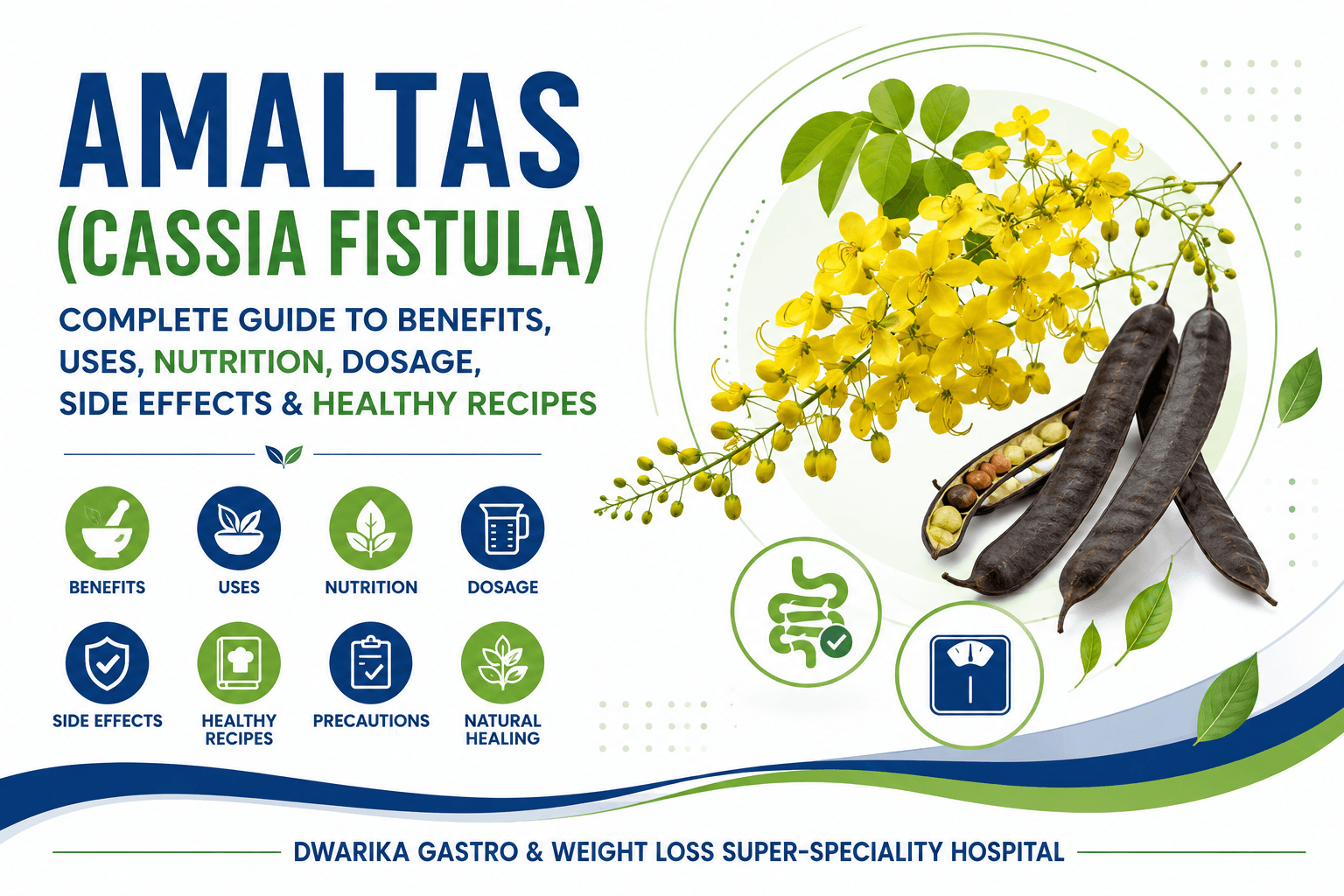
Amaltas (Cassia Fistula): Complete Guide to Benefits, Uses, Nutrition, Dosage, Side Effects & Healthy Recipes
For centuries, Ayurveda has used various parts of Amaltas—including its fruit pulp, bark, flowers, leaves, and roots—to manage constipation, skin diseases, fever, digestive disorders, and liver ailments. Modern scientific research has identified numerous bioactive compounds in Amaltas that contribute to its medicinal properties.
This comprehensive guide explores everything you need to know about Amaltas, including its nutritional profile, chemical composition, health benefits, dosage recommendations, recipes, precautions, and scientific evidence.
What is Amaltas?
Amaltas belongs to the family Fabaceae (Leguminosae). It is a medium-sized deciduous tree native to the Indian subcontinent and Southeast Asia.
Botanical Classification
- Kingdom: Plantae
- Family: Fabaceae
- Genus: Cassia
- Species: Cassia fistula
- Common Name: Amaltas
- English Name: Golden Shower Tree
- Sanskrit Name: Aragvadha
- Hindi Name: Amaltas
In Ayurveda, Aragvadha means “disease killer,” highlighting its significance in traditional medicine.
Amazing Facts About Amaltas
1. National Flower of Thailand
The golden flowers of Cassia fistula are recognized as Thailand’s national flower.
2. Ayurvedic Reputation
Ancient Ayurvedic texts describe Amaltas as one of the safest natural laxatives.
3. Long Medicinal History
Its medicinal use dates back more than 2,000 years.
4. Entire Plant is Useful
Almost every part of the tree has therapeutic applications.
5. Rich in Antioxidants
Amaltas contains multiple phytochemicals that help combat oxidative stress.
6. Beautiful Yet Medicinal
Unlike many medicinal plants, Amaltas is also highly valued as an ornamental tree.
7. Natural Detoxifier
Traditional systems of medicine use Amaltas for body cleansing and detoxification.
8. Heat-Relieving Herb
Ayurveda considers it cooling in nature and beneficial during hot weather.
9. Supports Digestive Health
Its fruit pulp is particularly valued for improving bowel movements.
10. Environment Friendly
The tree improves biodiversity and supports pollinators such as bees and butterflies.
Chemical Composition of Amaltas
The medicinal properties of Amaltas arise from its diverse phytochemical constituents.
Major Bioactive Compounds
Anthraquinones
- Rhein
- Emodin
- Chrysophanol
These compounds contribute to its laxative action.
Flavonoids
- Kaempferol
- Quercetin
Known for antioxidant and anti-inflammatory effects.
Phenolic Compounds
These compounds help neutralize harmful free radicals.
Tannins
Provide antimicrobial and wound-healing properties.
Glycosides
Support multiple pharmacological activities.
Saponins
Associated with immune-supportive and cholesterol-lowering effects.
Sugars
Fruit pulp contains natural sugars that contribute to energy production.
Essential Minerals
- Calcium
- Potassium
- Magnesium
- Iron
Nutritional Value of Amaltas
Although not commonly consumed as a staple food, Amaltas pulp contains several nutrients.
Approximate Nutritional Components
- Carbohydrates
- Natural sugars
- Dietary fiber
- Small amounts of protein
- Calcium
- Potassium
- Iron
- Magnesium
- Vitamin C
- Antioxidant compounds
Why Nutritional Value Matters
The fiber and antioxidant content make Amaltas particularly beneficial for digestive and metabolic health.
Parts Used in Amaltas
Different parts of the tree possess distinct medicinal properties.
Fruit Pulp
Most commonly used medicinal portion.
Uses:
- Constipation
- Detoxification
- Digestive disorders
Flowers
Used in:
- Fever
- Skin diseases
- Cooling formulations
Leaves
Applied for:
- Skin infections
- Inflammation
- Wound healing
Bark
Traditionally used for:
- Diarrhea
- Fever
- Inflammatory disorders
Roots
Used in selected Ayurvedic preparations.
Seeds
Used cautiously under professional guidance.
Health Benefits of Amaltas
1. Natural Relief from Constipation
The most recognized benefit of Amaltas is its gentle laxative action.
The fruit pulp contains anthraquinones that stimulate bowel movement and improve stool passage.
Benefits include:
- Softer stools
- Improved bowel regularity
- Reduced straining
- Better colon cleansing
Unlike harsh chemical laxatives, Amaltas generally acts more gently.
2. Supports Digestive Health
Amaltas promotes healthy digestion through:
- Improved gut motility
- Enhanced elimination of waste
- Reduction in bloating
- Better bowel function
Regular digestive cleansing may help improve overall gastrointestinal health.
3. Rich Source of Antioxidants
Antioxidants help neutralize free radicals that contribute to:
- Aging
- Chronic diseases
- Cellular damage
The flavonoids and phenolic compounds in Amaltas provide protective antioxidant activity.
4. May Support Liver Health
Traditional medicine frequently uses Amaltas for liver support.
Potential benefits include:
- Detoxification support
- Reduction in oxidative stress
- Improved liver function markers
More clinical research is still needed.
5. Anti-Inflammatory Properties
Research suggests that Amaltas contains compounds capable of reducing inflammation.
This may help in:
- Joint discomfort
- Skin inflammation
- Chronic inflammatory conditions
6. Supports Skin Health
Traditionally used for:
- Itching
- Eczema
- Minor skin infections
- Rashes
The antimicrobial and anti-inflammatory effects may contribute to these benefits.
7. May Help Regulate Blood Sugar
Preliminary studies indicate potential glucose-lowering effects.
Possible mechanisms include:
- Improved insulin sensitivity
- Reduced oxidative stress
- Better metabolic regulation
However, diabetic patients should not replace prescribed medication.
8. Potential Heart Health Benefits
Its antioxidant and fiber content may support cardiovascular health.
Possible effects include:
- Reduced oxidative damage
- Better cholesterol metabolism
- Improved vascular function
9. May Support Weight Management
Amaltas can indirectly support weight management by:
- Improving bowel regularity
- Reducing digestive sluggishness
- Supporting detoxification
- Increasing fiber intake
It should be considered part of a comprehensive healthy lifestyle.
10. Antimicrobial Activity
Research has shown activity against various microorganisms.
This property may contribute to:
- Better skin health
- Improved wound healing
- Reduced microbial burden
11. Cooling Effect During Summer
Ayurveda describes Amaltas as having a cooling nature.
It is often used during hot seasons to:
- Reduce body heat
- Improve comfort
- Support hydration-related wellness
12. Traditional Blood Purification Support
Traditional practitioners often recommend Amaltas for cleansing and purification purposes.
This historical use contributes to its popularity in seasonal detox programs.
How to Use Amaltas
1. Fruit Pulp
Most common method.
Steps:
- Remove pulp from mature pods.
- Mix with warm water.
- Consume as directed.
2. Herbal Decoction
Prepared from bark or leaves under professional supervision.
3. Powder Form
Available in Ayurvedic stores.
Can be mixed with:
- Warm water
- Honey
- Herbal formulations
4. Ayurvedic Formulations
Used in various classical Ayurvedic medicines.
Recommended Dose
Dosage varies depending on age, health status, and formulation.
Fruit Pulp
Adults:
- Approximately 5–10 grams daily
Powder
Adults:
- Approximately 1–3 grams daily
Decoction
Use according to Ayurvedic physician guidance.
Important Note
Always start with lower doses and increase gradually if needed.
Children, pregnant women, elderly individuals, and patients with chronic illnesses should seek medical advice before use.
Healthy Recipes Made from Amaltas
1. Amaltas Digestive Drink
Ingredients
- 5 grams Amaltas pulp
- 1 glass warm water
- Few drops lemon juice
Method
- Mix pulp in warm water.
- Stir thoroughly.
- Add lemon juice.
- Consume fresh.
Benefits:
- Supports digestion
- Promotes bowel regularity
2. Amaltas Herbal Smoothie
Ingredients
- Banana
- Yogurt
- Small amount of Amaltas pulp
- Cinnamon
Method
Blend all ingredients and consume immediately.
3. Cooling Summer Herbal Drink
Ingredients
- Amaltas pulp
- Water
- Mint leaves
- Rock sugar (optional)
Method
Blend and strain before drinking.
4. Ayurvedic Digestive Tonic
Ingredients
- Amaltas pulp
- Fennel seeds
- Warm water
Benefits
- Improves digestion
- Supports bowel movements
Precautions When Using Amaltas
Although generally safe when used appropriately, precautions are important.
Avoid Excessive Use
Overconsumption may cause:
- Diarrhea
- Abdominal cramps
- Electrolyte imbalance
Pregnancy and Breastfeeding
Consult a healthcare professional before use.
Children
Use only under medical supervision.
Chronic Illness
Patients with:
- Kidney disease
- Liver disease
- Severe gastrointestinal disorders
should seek professional advice.
Drug Interactions
Potential interactions may occur with:
- Laxatives
- Diuretics
- Antidiabetic medications
Consult your doctor if taking prescription medicines.
Side Effects of Amaltas
Most side effects are associated with excessive intake.
Common Side Effects
- Loose stools
- Diarrhea
- Stomach discomfort
- Abdominal cramps
- Flatulence
Rare Side Effects
- Allergic reactions
- Electrolyte disturbances
Stop use and seek medical advice if severe symptoms occur.
Frequently Asked Questions (FAQ)
Is Amaltas good for constipation?
Yes. The fruit pulp is widely recognized as a natural Ayurvedic laxative.
Can Amaltas be used daily?
Short-term daily use may be appropriate for some individuals, but prolonged use should be discussed with a healthcare professional.
Is Amaltas safe for children?
Only under the guidance of a qualified healthcare provider.
Does Amaltas help in weight loss?
Indirectly, by supporting digestion and bowel regularity. It is not a standalone weight-loss treatment.
Is Amaltas beneficial for diabetes?
Some preliminary studies suggest benefits, but it should not replace prescribed medications.
Which part of Amaltas is most commonly used?
The fruit pulp is the most widely used medicinal part.
Can pregnant women consume Amaltas?
Medical consultation is recommended before use.
Does Amaltas improve skin health?
Traditional medicine uses it for various skin conditions due to its anti-inflammatory and antimicrobial properties.
What is the best time to take Amaltas?
For constipation, it is commonly taken in the evening or before bedtime.
Can Amaltas cause diarrhea?
Yes, excessive consumption can result in loose stools and diarrhea.
Conclusion
Amaltas (Cassia fistula) is one of the most valuable medicinal trees in traditional Indian medicine. Its fruit pulp is particularly renowned for relieving constipation naturally, while its antioxidant, anti-inflammatory, antimicrobial, and digestive-supporting properties make it a versatile herbal remedy.
When used appropriately and in recommended doses, Amaltas can contribute to digestive wellness, skin health, liver support, and overall well-being. However, moderation and proper medical guidance remain essential, especially for children, pregnant women, and individuals with chronic illnesses.
As scientific research continues to explore its therapeutic potential, Amaltas remains a shining example of how traditional medicinal plants can contribute to modern health and wellness.
References
- Ayurvedic Pharmacopoeia of India.
- Indian Medicinal Plants – Kirtikar and Basu.
- Wealth of India – Raw Materials Series.
- World Health Organization (WHO) Monographs on Selected Medicinal Plants.
- Journal of Ethnopharmacology – Studies on Cassia fistula.
- International Journal of Pharmaceutical Sciences and Research.
- Pharmacognosy Reviews – Cassia fistula medicinal properties.
- Journal of Medicinal Plants Research.
- Ayurvedic Formulary of India.
- Traditional Knowledge Digital Library (TKDL).