


Reading Time: 6 minutes
Kayphal (Indian Bayberry): Complete Guide of Health Benefits, Uses, Nutrition, Chemical Composition, Side Effects, Dosage, Ayurvedic Importance & Scientific Evidence
Amazing Facts About Kayphal (Indian Bayberry)
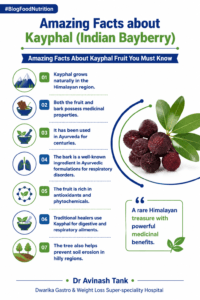
Kayphal, scientifically known as Myrica esculenta, is a remarkable medicinal tree native to the Himalayan region. It has been used for centuries in Ayurveda and traditional medicine for treating digestive, respiratory, and inflammatory disorders.
Amazing Facts About Kayphal Fruit You Must Know
- Kayphal is also known as Indian Bayberry and Katphala in Ayurveda.
- It naturally grows in the Himalayan forests at elevations of 900–2,100 meters.
- The fruit has a unique sweet-sour taste and is highly popular in Uttarakhand and Himachal Pradesh.
- The bark, leaves, fruits, and roots all possess medicinal properties.
- Kayphal is rich in antioxidants, flavonoids, and polyphenols.
- Traditional healers use it for cough, cold, diarrhea, fever, and throat infections.
Rare Himalayan Fruit with Powerful Medicinal Benefits
Due to its limited geographical distribution and seasonal availability, Kayphal is considered a rare Himalayan fruit. Despite being less known than amla or bael, it possesses impressive medicinal potential.
Why Kayphal is Called Nature’s Herbal Treasure
Ayurvedic texts describe Katphala as a valuable medicinal plant because multiple parts of the tree are useful therapeutically. Its diverse health-promoting compounds contribute to its reputation as a natural herbal treasure.
Common Names & Area of Cultivation in India
What is Kayphal?
Kayphal is an evergreen tree belonging to the family Myricaceae.
Common Names
- Sanskrit: Katphala
- Hindi: Kayphal, Kaiphal
- English: Indian Bayberry
- Botanical Name: Myrica esculenta Buch.-Ham. ex D. Don
Where Does Kayphal Grow in India?
The tree is predominantly found in:
- Uttarakhand
- Himachal Pradesh
- Jammu & Kashmir
- Sikkim
- Arunachal Pradesh
- Meghalaya
- Nagaland
Himalayan Indian Bayberry: Distribution and Cultivation
Kayphal thrives in cool mountainous climates and grows naturally in forest ecosystems. It requires well-drained soil and moderate rainfall.
Chemical Composition
Phytochemicals Present in Kayphal Fruit and Bark
Research has identified several bioactive compounds in Kayphal:
- Flavonoids
- Tannins
- Glycosides
- Phenolic compounds
- Terpenoids
- Alkaloids
- Saponins
Bioactive Compounds Responsible for Medicinal Benefits
The medicinal activities of Kayphal are primarily attributed to:
- Myricetin
- Quercetin
- Gallic acid
- Catechins
- Polyphenols
These compounds possess antioxidant and anti-inflammatory activities.
Antioxidants and Flavonoids in Indian Bayberry
The fruit and bark contain substantial antioxidant molecules that help neutralize harmful free radicals and reduce oxidative stress.
Nutritional Value
Nutritional Profile of Kayphal Fruit
Kayphal fruit contains:
- Dietary fiber
- Natural sugars
- Carbohydrates
- Small amounts of protein
- Essential minerals
Vitamins, Minerals and Antioxidants in Kayphal
Important nutrients include:
- Vitamin C
- Iron
- Potassium
- Calcium
- Magnesium
- Phosphorus
The fruit also provides antioxidant compounds that support overall health.
Is Kayphal a Superfruit? Nutritional Analysis
Although scientific nutritional data are limited, the combination of antioxidants, micronutrients, and phytochemicals makes Kayphal a promising functional food and potential superfruit.
Benefits on Health
Kayphal Benefits for Digestive Health
One of the most recognized Kayphal benefits is its positive effect on digestion.
Traditional uses include:
- Improving digestion
- Reducing bloating
- Managing indigestion
- Supporting gut health
The bark is particularly valued for gastrointestinal disorders.
Kayphal for Respiratory Disorders and Cough
How to Use Kayphal for Cough and Cold
Ayurveda recommends Katphala bark for:
- Cough
- Common cold
- Sore throat
- Bronchitis
- Excess mucus production
Its warming nature helps reduce Kapha-related respiratory symptoms.
Antioxidant and Anti-inflammatory Benefits of Indian Bayberry
The flavonoids and phenolic compounds found in Kayphal help:
- Reduce oxidative stress
- Lower inflammation
- Protect cells from damage
These actions may contribute to long-term health protection.
Kayphal for Gut Health and Diarrhea Management
The astringent tannins present in the bark have traditionally been used to:
- Reduce diarrhea
- Improve intestinal health
- Control excessive bowel movements
Immune-Boosting Properties of Kayphal
The antioxidant-rich fruit may help strengthen immune defenses and improve resistance against infections.
Kayphal Benefits for Oral and Dental Health
Traditional applications include:
- Gum strengthening
- Reducing oral inflammation
- Managing bad breath
- Supporting dental hygiene
Kayphal for Liver Health and Detoxification
Experimental studies suggest antioxidant compounds may help protect liver cells from oxidative damage.
Potential Benefits in Diabetes Management
Preliminary research indicates that some phytochemicals present in Myrica esculenta may support healthy glucose metabolism. However, more human studies are needed.
Kayphal in Ayurveda
According to Ayurveda, Katphala possesses:
Rasa (Taste)
- Katu (Pungent)
- Tikta (Bitter)
- Kashaya (Astringent)
Guna (Qualities)
- Laghu (Light)
- Tikshna (Sharp)
Virya (Potency)
- Ushna (Hot)
Dosha Effect
- Reduces Kapha
- Balances Vata when appropriately used
Health Benefits of Kayphal Fruit in Ayurveda
Ayurvedic practitioners traditionally use Kayphal for:
- Cough
- Cold
- Asthma
- Fever
- Diarrhea
- Loss of appetite
- Digestive disorders
FAQ
What Does Kayphal Taste Like?
Kayphal fruit has a unique sweet, tangy, and slightly astringent flavor.
Can Diabetic Patients Eat Kayphal?
In moderation, Kayphal may be consumed by diabetic individuals. However, blood sugar monitoring is advised.
Is Kayphal Safe During Pregnancy?
Scientific evidence regarding safety during pregnancy is limited. Pregnant women should consult healthcare professionals before use.
What Are the Traditional Uses of Kayphal?
Traditional uses include:
- Cough treatment
- Digestive support
- Fever management
- Oral health maintenance
- Respiratory care
Can Kayphal Help in Cough and Cold?
Yes. Ayurvedic literature frequently recommends Katphala bark formulations for cough, cold, and throat discomfort.
Precautions When Using Kayphal
Who Should Avoid Kayphal?
Extra caution is advised for:
- Pregnant women
- Breastfeeding mothers
- Young children
- Individuals with chronic illnesses
Drug Interactions and Safety Concerns
Limited research exists regarding interactions with:
- Diabetes medications
- Blood pressure medicines
- Anticoagulants
Medical supervision is recommended.
Precautions During Pregnancy and Breastfeeding
Due to insufficient clinical evidence, routine medicinal use should be avoided unless advised by a qualified healthcare practitioner.
Recommended Dose
Recommended Ayurvedic Dose of Kayphal Powder
Common Ayurvedic dosage:
- Powder (Churna): 1–3 grams daily
How Much Kayphal Can Be Consumed Daily?
Fresh fruit can generally be consumed in moderate amounts as part of a balanced diet.
Safe Dosage of Kayphal Bark and Fruit
The exact dose depends on:
- Age
- Health condition
- Formulation used
- Physician recommendation
How to Use Kayphal
How to Consume Fresh Kayphal Fruit
- Eat fresh ripe fruits
- Add to fruit salads
- Prepare traditional Himalayan snacks
How to Prepare Kayphal Powder
The bark is cleaned, dried, powdered, and stored in airtight containers.
Ayurvedic Formulations Containing Kayphal
Katphala is included in several classical Ayurvedic formulations used for respiratory and digestive disorders.
Kayphal Decoction and Herbal Tea Preparation
A decoction can be prepared by:
- Taking dried bark powder.
- Boiling it in water.
- Reducing the volume by half.
- Straining before consumption.
Parts Used
Kayphal Fruit Uses
The fruit is used for:
- Direct consumption
- Traditional beverages
- Chutneys
- Preserves
Medicinal Uses of Kayphal Bark
The bark is the most commonly used medicinal part and is traditionally employed for:
- Cough
- Cold
- Diarrhea
- Fever
- Digestive disorders
Leaves, Seeds and Roots of Indian Bayberry
These parts are occasionally used in traditional medicine for specific regional practices.
Which Part of Kayphal is Most Beneficial?
The bark is generally regarded as the most therapeutically valuable part because of its concentrated phytochemical content.
Healthy Recipes Made from Kayphal
Traditional Himalayan Kayphal Chutney Recipe
Ingredients:
- Fresh Kayphal fruit
- Mint leaves
- Green chili
- Rock salt
Blend all ingredients and serve fresh.
Kayphal Herbal Drink Recipe
Mix Kayphal pulp with:
- Water
- Honey
- Lemon juice
Serve chilled.
Kayphal Fruit Jam and Preserve
Cook fruit pulp with natural sweeteners until thickened and store hygienically.
Healthy Kayphal Smoothie Recipe
Blend:
- Kayphal pulp
- Yogurt
- Banana
- Honey
Enjoy as a nutritious beverage.
Kayphal Digestive Beverage
Mix fruit pulp with cumin powder, black salt, and water to create a digestive drink.
Side Effects
Possible Side Effects of Excessive Kayphal Consumption
Overconsumption may cause:
- Gastric irritation
- Acidity
- Stomach discomfort
- Digestive upset
Allergic Reactions and Safety Concerns
Rare individuals may experience:
- Skin rash
- Itching
- Gastrointestinal intolerance
When to Stop Using Kayphal
Discontinue use and seek medical advice if symptoms such as severe allergy, persistent gastrointestinal distress, or unusual reactions occur.
Scientific Evidence for Kayphal Health Benefits
Several laboratory and animal studies have demonstrated:
- Antioxidant activity
- Anti-inflammatory effects
- Antimicrobial properties
- Hepatoprotective potential
- Antidiarrheal activity
However, large-scale human clinical trials remain limited. Therefore, Kayphal should be viewed as a supportive traditional remedy rather than a replacement for evidence-based medical treatment.
Conclusion
Kayphal (Indian Bayberry) is a valuable Himalayan medicinal plant with a long history in Ayurveda.
Its fruit, bark, leaves, and roots contain bioactive compounds that contribute to digestive, respiratory, antioxidant, and anti-inflammatory benefits.
The growing body of scientific research on Myrica esculenta benefits supports many traditional claims, although further clinical studies are needed.
When used appropriately, Kayphal can be a nutritious addition to the diet and a useful component of traditional herbal healthcare.
References
- Ayurvedic Pharmacopoeia of India.
- Bhavaprakasha Nighantu – Katphala description.
- Dravyaguna Vigyan texts.
- Indian Journal of Traditional Knowledge.
- Journal of Ethnopharmacology.
- Pharmacognosy Reviews.
- Research publications on Myrica esculenta phytochemistry and pharmacological activities.
- Reviews on medicinal plants of the Himalayan region.
This article is optimized for the target keywords Kayphal benefits, Indian Bayberry benefits, Kayphal fruit uses, Kayphal medicinal uses, Kayphal in Ayurveda, Myrica esculenta benefits, Kayphal nutritional value, Kayphal chemical composition, and related long-tail search terms.