

Reading Time: 7 minutes
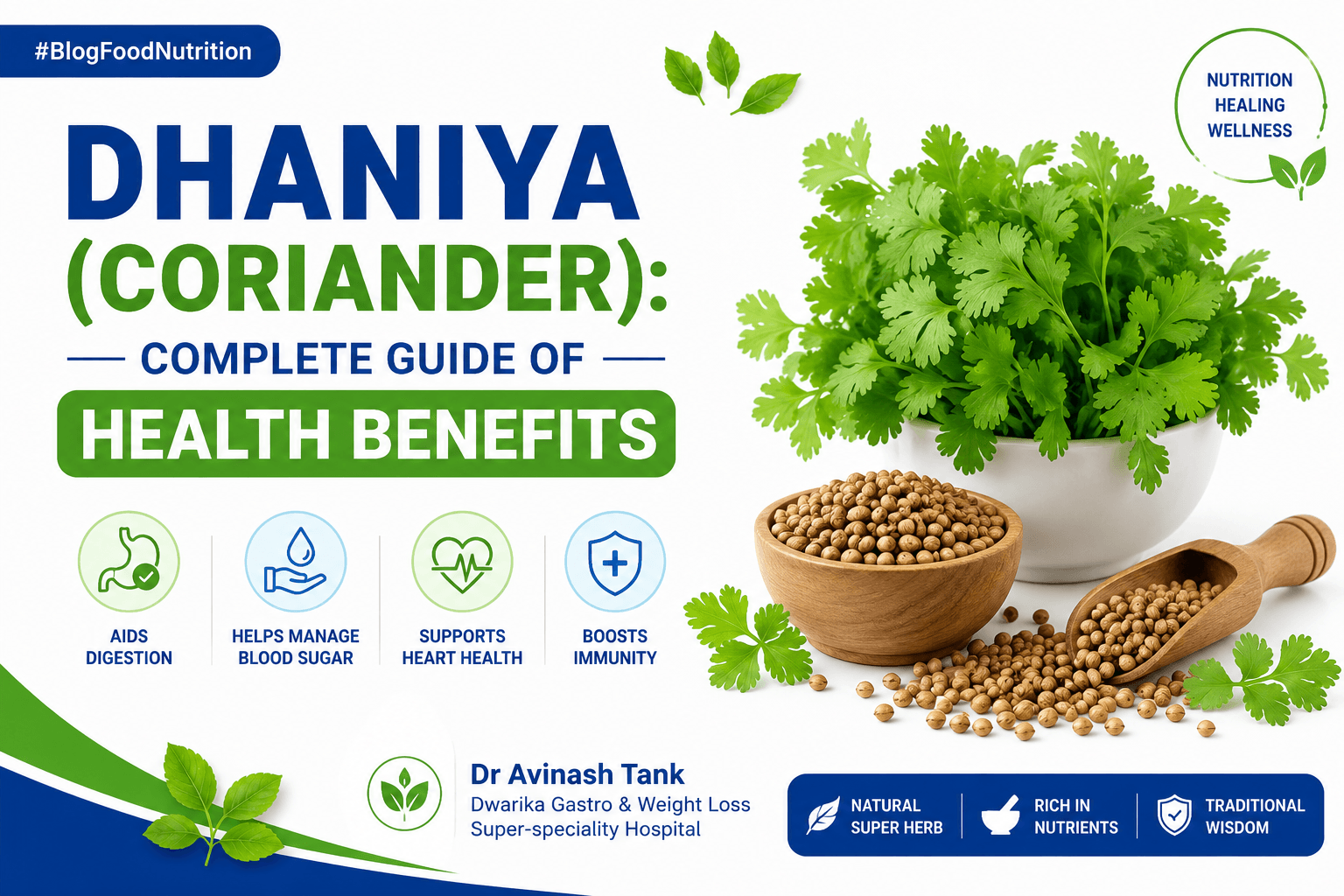
Dhaniya (Coriander): Complete Guide of Health Benefits, Uses, Dosage, Side Effects, Ayurvedic Importance & Scientific Evidence
Introduction
Dhaniya, commonly known as Coriander, is one of the most widely used culinary herbs and spices worldwide. Scientifically known as Coriandrum sativum, coriander belongs to the Apiaceae family, which also includes parsley, celery, and fennel. Every part of the coriander plant, including its leaves, seeds, roots, and essential oil, has culinary, medicinal, and nutritional value.
In India, coriander is known by different names such as Dhaniya (Hindi), Kothmir (Gujarati and Marathi), Malli (Tamil), and Kothimeera (Telugu). It is extensively cultivated across Rajasthan, Gujarat, Madhya Pradesh, Andhra Pradesh, and Karnataka.
For centuries, Ayurveda has recognized coriander as a cooling herb that supports digestion, detoxification, and overall health. Today, modern research is increasingly validating many traditional Coriandrum sativum uses.
This comprehensive guide explores coriander nutrition, coriander health benefits, coriander water benefits, Ayurvedic uses of dhaniya, recommended dosage, side effects, and the latest scientific evidence supporting its medicinal properties.
⸻
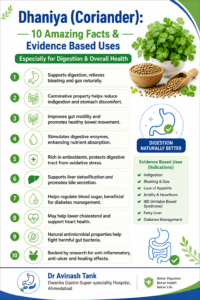
Amazing Facts About Dhaniya (Coriander)
History of Coriander in Ayurveda
Coriander has been used in Ayurvedic medicine for more than 3,000 years. Ancient Ayurvedic texts describe it as a digestive, carminative, diuretic, and cooling herb.
Interesting Facts About Coriander Seeds
* Coriander seeds were found in Egyptian tombs.
* It is one of the oldest cultivated spices.
* The seeds contain aromatic essential oils.
* Coriander is used in both sweet and savory dishes.
* It is considered a “super herb” due to its medicinal versatility.
Traditional Uses of Coriander in India
Traditionally, coriander has been used for:
* Improving digestion
* Reducing acidity
* Managing urinary problems
* Supporting blood sugar control
* Enhancing appetite
⸻
Common Names & Cultivation
Coriandrum sativum Botanical Information
* Botanical Name: Coriandrum sativum
* Family: Apiaceae
* Plant Type: Annual herb
* Edible Parts: Leaves, seeds, roots
Major Coriander-Producing States in India
India is among the world’s largest producers of coriander.
Major producing states include:
* Rajasthan
* Gujarat
* Madhya Pradesh
* Andhra Pradesh
* Karnataka
How Coriander is Grown in India
Coriander grows best in cool climates and well-drained soil. It is generally sown during winter and harvested within 90–120 days.
⸻
Chemical Composition of Coriander
The remarkable coriander benefits come from its rich phytochemical profile.
Active Compounds in Coriander
Major bioactive compounds include:
* Linalool
* Geraniol
* Camphor
* Borneol
* Terpinene
Phytochemicals Present in Coriander
* Flavonoids
* Polyphenols
* Tannins
* Coumarins
* Phenolic acids
Linalool Content in Coriander Seeds
Linalool constitutes a significant portion of coriander seed essential oil and contributes to its antimicrobial and anti-inflammatory effects.
Antioxidants in Coriander Leaves
Fresh coriander leaves contain:
* Quercetin
* Rutin
* Vitamin C
* Beta-carotene
These antioxidants help neutralize free radicals and reduce oxidative stress.
⸻
Nutritional Value of Coriander
Coriander Nutrition Facts
Fresh coriander leaves are low in calories and rich in nutrients.
Nutritional Value of Fresh Coriander Leaves (100 g)
* Calories: 23 kcal
* Protein: 2.1 g
* Carbohydrates: 3.7 g
* Fiber: 2.8 g
* Fat: 0.5 g
Vitamins and Minerals in Coriander
Coriander Leaves Nutrition
Coriander leaves are rich in:
* Vitamin A
* Vitamin C
* Vitamin K
* Folate
* Potassium
* Calcium
* Magnesium
Coriander Seeds Nutrition Profile
Coriander seeds contain:
* Dietary fiber
* Essential oils
* Iron
* Manganese
* Calcium
The excellent dhaniya nutritional value makes it a healthy addition to daily meals.
⸻
Health Benefits of Coriander
Coriander Benefits for Digestion
Among the most recognized coriander medicinal uses is digestive support.
Coriander may:
* Improve appetite
* Reduce bloating
* Relieve gas
* Ease indigestion
* Support gut health
Coriander for Weight Loss
Many people search for how to use coriander seeds for weight loss.
Potential mechanisms include:
* Improved digestion
* Better blood sugar regulation
* Enhanced hydration through coriander water
* Low-calorie nutritional support
Coriander Benefits for Diabetes
One of the most researched coriander benefits is blood sugar regulation.
Studies suggest coriander may:
* Improve insulin activity
* Enhance glucose utilization
* Reduce fasting blood sugar levels
Is Coriander Good for Diabetes Patients?
Coriander may be beneficial as part of a healthy diet. However, diabetic patients should continue prescribed treatment and monitor blood glucose regularly.
Coriander Benefits for Heart Health
Research suggests coriander may:
* Lower LDL cholesterol
* Improve HDL cholesterol
* Support healthy blood pressure
* Reduce oxidative stress
Coriander Benefits for Immunity
The antioxidant and vitamin-rich profile of coriander helps support immune function and overall wellness.
Coriander for Cholesterol Control
Animal and human studies indicate coriander may help regulate lipid metabolism and cholesterol levels.
Coriander Benefits for Skin
Coriander contains compounds with antioxidant and antimicrobial properties that may contribute to healthy skin.
Coriander Benefits for Kidney Health
Traditionally, coriander is used as a mild diuretic, supporting urinary elimination and hydration.
Coriander for Liver Detoxification
Some studies suggest coriander may protect liver cells against oxidative stress and toxin exposure.
Coriander Anti-inflammatory Properties
Linalool and polyphenols contribute to coriander’s anti-inflammatory effects.
⸻
Coriander for Specific Diseases
Coriander for Diabetes Management
Regular use of coriander may help support blood sugar management when combined with a healthy lifestyle.
Coriander for High Blood Pressure
Its potassium content and mild diuretic effect may support healthy blood pressure regulation.
Coriander for Fatty Liver Disease
The antioxidant compounds may help reduce oxidative damage associated with fatty liver.
Coriander for PCOS
Although research is limited, coriander’s metabolic benefits may support women with PCOS.
Coriander for Acidity and Bloating
Ayurveda commonly recommends coriander for:
* Hyperacidity
* Indigestion
* Gastric discomfort
Coriander for Urinary Tract Health
Traditionally used as a cooling herb, coriander may support urinary comfort and hydration.
Coriander for Arthritis
Its anti-inflammatory compounds may assist in reducing joint discomfort.
⸻
Coriander Water Benefits
Benefits of Drinking Coriander Water Daily
Coriander water is prepared by soaking coriander seeds overnight.
Potential coriander water benefits include:
* Improved digestion
* Better hydration
* Reduced bloating
* Blood sugar support
* Antioxidant intake
How to Make Coriander Water
1. Soak 1 tablespoon coriander seeds in a glass of water overnight.
2. Strain in the morning.
3. Drink on an empty stomach.
⸻
How to Use Coriander
Best Ways to Consume Coriander
* Fresh leaves
* Coriander powder
* Whole seeds
* Coriander tea
* Coriander water
How to Use Coriander Seeds Medicinally
* Soaked seed water
* Herbal tea
* Spice powder
* Ayurvedic formulations
Coriander Tea Benefits and Recipe
Ingredients
* 1 teaspoon coriander seeds
* 1 cup water
Method
Boil for 5–10 minutes, strain, and consume warm.
Benefits may include:
* Better digestion
* Reduced bloating
* Relaxation
Coriander Powder Uses
* Curry seasoning
* Spice blends
* Digestive preparations
* Herbal remedies
⸻
Parts Used in Coriander
Uses of Coriander Leaves
* Garnishing
* Salads
* Chutneys
* Juices
Uses of Coriander Seeds
* Spice mixtures
* Digestive remedies
* Coriander water
Medicinal Uses of Coriander Roots
Roots are used in some traditional Asian and Ayurvedic preparations.
Coriander Essential Oil Benefits
The essential oil is used in aromatherapy and natural wellness products.
Whole Coriander Plant Uses
Nearly every part of the plant offers culinary and medicinal value.
⸻
Healthy Recipes Made from Coriander
Coriander Chutney Recipe
Ingredients:
* Fresh coriander leaves
* Mint
* Green chili
* Lemon juice
Blend and serve.
Coriander Detox Water Recipe
Soak coriander seeds overnight and consume in the morning.
Coriander Tea Recipe
Boil coriander seeds in water and strain.
Coriander Soup Recipe
Add fresh coriander leaves to vegetable soup for enhanced flavor and nutrition.
Healthy Coriander Salad Recipe
Combine:
* Coriander leaves
* Cucumber
* Tomato
* Lemon juice
A refreshing and nutritious salad.
⸻
Precautions When Using Coriander
Who Should Avoid Coriander?
People with:
* Known coriander allergy
* Severe low blood pressure
* Frequent hypoglycemia
should use caution.
Coriander Allergy Symptoms
Possible symptoms include:
* Skin rash
* Itching
* Swelling
* Breathing difficulty
Seek medical attention if severe reactions occur.
Drug Interactions with Coriander
Coriander may enhance the effects of:
* Diabetes medications
* Blood pressure medications
Consult a healthcare professional if taking prescription medicines.
Coriander Precautions for Diabetics
Because coriander may lower blood sugar, diabetic patients should monitor glucose levels carefully.
⸻
Recommended Dose of Coriander
Daily Recommended Intake of Coriander
Typical dietary use is considered safe.
How Much Coriander Water to Drink Daily?
1 glass (200–250 ml) daily is commonly used.
Safe Dosage of Coriander Seeds
Approximately 3–5 grams per day is often used in traditional medicine.
Ayurvedic Dosage of Coriander
Ayurvedic practitioners may recommend varying doses depending on individual constitution and health conditions.
Coriander Supplementation Guidelines
Follow manufacturer instructions and consult healthcare professionals when using supplements.
⸻
Side Effects of Coriander
Side Effects of Coriander Seeds
Although generally safe, excessive intake may cause:
* Digestive discomfort
* Loose stools
* Allergic reactions
Excess Coriander Consumption Risks
Very high intake may contribute to:
* Excessive lowering of blood sugar
* Excessive lowering of blood pressure
* Gastrointestinal upset
Can Coriander Cause Low Blood Sugar?
Yes, coriander may enhance glucose-lowering effects, especially when combined with diabetes medications.
Coriander Side Effects During Pregnancy
Normal culinary use is generally considered safe. Medicinal doses should be used only under professional guidance.
⸻
Frequently Asked Questions (FAQ)
Can Coriander Lower Blood Sugar?
Research suggests coriander may support blood sugar regulation, but it should not replace prescribed medications.
Is Coriander Good for Weight Loss?
Coriander may support weight management through digestive and metabolic benefits.
Can Coriander Water Be Consumed Daily?
Yes, moderate daily consumption is generally considered safe for most healthy individuals.
Which Is Better: Coriander Leaves or Seeds?
Both offer unique benefits. Leaves provide vitamins and antioxidants, while seeds contain concentrated essential oils and phytochemicals.
Is Coriander Safe During Pregnancy?
Culinary use is generally safe. Consult a healthcare provider before using medicinal quantities.
⸻
Scientific Research and References
Numerous studies have investigated coriander medicinal uses and biological activities.
Research has demonstrated:
* Antioxidant properties
* Anti-inflammatory activity
* Antimicrobial effects
* Potential glucose-lowering actions
* Lipid-lowering effects
* Hepatoprotective properties
Key references include publications from:
1. National Institutes of Health (NIH)
2. Journal of Ethnopharmacology
3. Food Chemistry
4. Phytotherapy Research
5. Journal of Medicinal Food
6. Indian Journal of Traditional Knowledge
7. World Health Organization Monographs on Medicinal Plants
⸻
Conclusion
Dhaniya (Coriandrum sativum), commonly known as coriander, is far more than a kitchen herb. Rich in vitamins, minerals, antioxidants, and essential oils, it offers numerous coriander health benefits, including digestive support, heart health, cholesterol management, blood sugar regulation, immune support, and anti-inflammatory effects. Whether consumed as fresh coriander leaves, coriander seeds, coriander tea, coriander powder, or coriander water, this versatile herb can be a valuable addition to a healthy lifestyle.
While coriander is generally safe when used in food, individuals with allergies, diabetes, low blood pressure, or those taking medications should use medicinal quantities cautiously. As with any herbal remedy, moderation and professional guidance remain important. By incorporating dhaniya into a balanced diet, you can enjoy its nutritional value, Ayurvedic benefits, and scientifically supported wellness properties.