

Reading Time: 4 minutes
Gastric GIST (Gastrointestinal Stromal Tumor): Distal Gastrectomy Case Study.
Author: Dr. Avinash Tank, MCh (Surgical Gastroenterology)
Case Overview
This case demonstrates the successful surgical management of a large Gastrointestinal Stromal Tumor (GIST) arising from the stomach. The patient presented with upper abdominal symptoms and was found to have a sizeable gastric mass on imaging. Following comprehensive evaluation, the patient underwent surgical removal of the tumor along with the involved portion of the stomach (Distal Gastrectomy).
The accompanying images show:
- CECT Abdomen demonstrating the gastric tumor.
- Resected surgical specimen containing the tumor after surgery.
All patient-identifying information has been removed to maintain privacy and confidentiality.
What is a Gastric GIST?
Gastrointestinal Stromal Tumors (GISTs) are uncommon tumors arising from specialized cells within the wall of the gastrointestinal tract known as the Interstitial Cells of Cajal, which regulate gut motility.
Although GISTs can develop anywhere within the digestive tract, the stomach is the most common site.
GISTs vary considerably in behavior. Some remain small and indolent, whereas others can become large and potentially aggressive if left untreated.
Patient Presentation
The patient presented with:
- Upper abdominal discomfort
- Early fullness after meals
- Reduced appetite
- Progressive abdominal symptoms
Large gastric GISTs may also present with:
- Gastrointestinal bleeding
- Anemia
- Weight loss
- Abdominal lump
- Nausea and vomiting
Because these symptoms are often vague, diagnosis is frequently delayed until the tumor reaches a substantial size.
Diagnostic Evaluation
Initial clinical assessment suggested an upper gastrointestinal pathology.
The patient underwent:
- Clinical examination
- Upper GI evaluation
- Contrast-enhanced CT scan (CECT Abdomen)
The imaging revealed a large mass arising from the distal part of the stomach.
What Does the CT Scan Show?
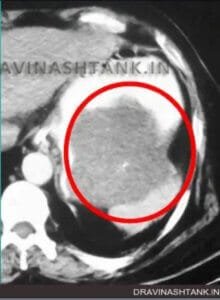
Figure 1: Contrast Enhanced CT Scan of Abdomen
The CT scan demonstrates a large, well-defined mass originating from the stomach.
Important observations include:
- Large exophytic gastric tumor
- Origin from the distal stomach
- Significant tumor bulk occupying the upper abdomen
- Compression of surrounding structures
- Features suggestive of a Gastrointestinal Stromal Tumor (GIST)
Cross-sectional imaging plays a crucial role in determining:
- Tumor size
- Tumor location
- Relationship with nearby organs
- Surgical planning
- Resectability
The red circle highlights the tumor identified on preoperative imaging.
Why Was Surgery Recommended?
The primary treatment for localized Gastric GIST is complete surgical removal.
In this case, surgery was advised because:
- The tumor was large.
- There was a risk of continued growth.
- Potential bleeding complications could occur.
- Histological confirmation and complete removal were required.
- Surgery offered the best chance of long-term disease control.
The objective of treatment was complete tumor removal with negative margins while avoiding tumor rupture.
Surgical Procedure Performed
Distal Gastrectomy for Gastric GIST
The patient underwent surgical removal of:
- The tumor-bearing distal stomach
- Surrounding tissues as required to achieve complete oncological clearance
The procedure was carefully planned to:
- Remove the tumor intact
- Prevent tumor spillage
- Preserve adequate stomach function
- Achieve complete resection
Surgical Findings
During surgery, a large gastric mass was identified arising from the distal stomach.
Key intraoperative observations included:
- Large tumor originating from the gastric wall
- Well-defined tumor margins
- No gross evidence of unresectable disease
- Successful complete removal of the tumor-bearing stomach segment
The specimen was subsequently sent for histopathological examination.
What Does the Surgical Specimen Show?
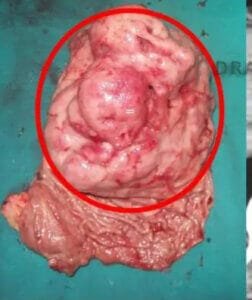
Figure 2: Resected Gastric GIST Specimen
The image demonstrates the surgically removed portion of the stomach containing the tumor.
The circled area highlights:
- The tumor mass
- Its relationship to the gastric wall
- The extent of involvement requiring resection
The specimen provides direct confirmation of the lesion identified on preoperative imaging.
Correlation between radiological findings and surgical pathology is an important component of modern gastrointestinal cancer surgery.
Histopathological Examination
Definitive diagnosis of GIST is established by histopathology and immunohistochemistry.
Typical markers include:
- KIT (CD117)
- DOG1
- CD34
Pathological evaluation determines:
- Tumor size
- Mitotic activity
- Risk category
- Need for additional treatment
These factors help guide long-term follow-up and prognosis.
Recovery and Follow-Up
The patient recovered satisfactorily following surgery.
Postoperative care included:
- Pain management
- Gradual diet progression
- Early mobilization
- Nutritional counselling
- Regular follow-up evaluations
Long-term surveillance is important because some GISTs carry a risk of recurrence depending on their size and pathological characteristics.
Learning Points From This Case
Key Clinical Pearls
✓ Gastric GIST is the most common mesenchymal tumor of the stomach.
✓ Symptoms are often vague and may delay diagnosis.
✓ CT scan plays a crucial role in diagnosis and surgical planning.
✓ Complete surgical removal remains the cornerstone of treatment.
✓ Avoiding tumor rupture during surgery is critically important.
✓ Histopathology and immunohistochemistry confirm the diagnosis.
✓ Early specialist evaluation improves outcomes.
✓ Multidisciplinary management is often beneficial in complex cases.
Frequently Asked Questions
Is Gastric GIST a cancer?
GISTs are tumors with variable biological behavior. Some behave in a benign fashion, while others possess malignant potential. Risk depends on tumor size, location, and mitotic activity.
Can Gastric GIST be cured?
Many localized Gastric GISTs can be successfully treated with complete surgical removal.
What symptoms should raise suspicion?
Persistent upper abdominal discomfort, gastrointestinal bleeding, unexplained anemia, abdominal swelling, and early satiety warrant medical evaluation.
Is chemotherapy required?
Traditional chemotherapy is generally ineffective for GIST. Certain patients may benefit from targeted therapies such as Imatinib based on tumor characteristics.
What is the prognosis after surgery?
Prognosis depends on tumor size, mitotic index, pathological risk classification, and completeness of resection.
Expert Commentary
Gastric GIST (Gastrointestinal Stromal Tumor): Distal Gastrectomy Case Study. This case highlights the importance of timely diagnosis and specialist surgical management of Gastric GISTs. Careful interpretation of imaging, meticulous surgical technique, and complete tumor removal are essential for achieving optimal outcomes.
Large gastric tumors can often be successfully managed when evaluated early and treated in experienced gastrointestinal surgical centers.
Related Topics
- Gastric Cancer Surgery
- Gastrointestinal Stromal Tumor (GIST)
- Stomach Tumors
- Upper GI Surgery
- GI Cancer Surgery
- Surgical Gastroenterology
- Advanced Laparoscopic GI Surgery
Disclaimer:
This case is presented for educational purposes. Patient-identifying information has been removed to protect privacy. Individual treatment decisions vary and should be made after consultation with a qualified healthcare professional.
Recommended URL:
https://dravinashtank.in/case-library/stomach-tumors/gastric-gist-distal-gastrectomy-case-study/