

Reading Time: 6 minutes
Til (Sesame Seeds): Complete Guide to Health Benefits, Nutrition, Uses, Dosage, Side Effects and FAQs
Introduction
Til, commonly known as Sesame Seeds, is one of the oldest oilseed crops cultivated by humans. Scientifically known as Sesamum indicum, sesame seeds have been used for thousands of years in traditional medicine, Ayurveda, cooking, and religious rituals.
In India, sesame seeds are popularly known as Til, Ellu, Nuvvulu, Teel, and Gingelly depending on the region and language. These tiny seeds are packed with healthy fats, protein, dietary fiber, vitamins, minerals, and powerful antioxidants.
Sesame seeds are widely consumed in the form of roasted seeds, sesame oil, til laddoo, chikki, tahini, and various traditional dishes. Modern nutritional research has further highlighted their role in heart health, digestive wellness, bone strength, diabetes management, and weight control.
This article provides a comprehensive review of sesame seeds, including their nutritional composition, medicinal properties, health benefits, recommended dosage, precautions, and scientific evidence.
Amazing Facts About Sesame Seeds
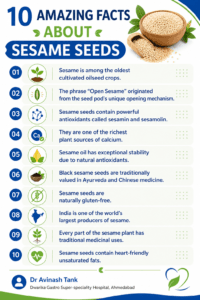
- Sesame is among the oldest cultivated oilseed crops.
- The phrase “Open Sesame” originated from the seed pod’s unique opening mechanism.
- Sesame seeds contain powerful antioxidants called sesamin and sesamolin.
- They are one of the richest plant sources of calcium.
- Sesame oil has exceptional stability due to natural antioxidants.
- Black sesame seeds are traditionally valued in Ayurveda and Chinese medicine.
- Sesame seeds are naturally gluten-free.
- India is one of the world’s largest producers of sesame.
- Every part of the sesame plant has traditional medicinal uses.
- Sesame seeds contain heart-friendly unsaturated fats.
Common Names of Sesame in India
| Language | Name |
| English | Sesame Seeds |
| Hindi | Til |
| Gujarati | Tal |
| Sanskrit | Tila |
| Tamil | Ellu |
| Telugu | Nuvvulu |
| Kannada | Ellu |
| Malayalam | Ellu |
| Marathi | Til |
| Bengali | Til |
Area of Cultivation in India
India is among the leading sesame-producing countries globally.
Major sesame-producing states include:
- Gujarat
- Rajasthan
- Uttar Pradesh
- Madhya Pradesh
- Maharashtra
- West Bengal
- Andhra Pradesh
- Telangana
- Tamil Nadu
- Karnataka
Sesame thrives in tropical and subtropical climates and is typically cultivated during both Kharif and summer seasons.
Chemical Composition of Sesame Seeds
Sesame seeds contain numerous biologically active compounds:
Lignans
- Sesamin
- Sesamolin
- Sesaminol
Phenolic Compounds
- Sesamol
- Ferulic acid
- Gallic acid
Healthy Fatty Acids
- Oleic acid
- Linoleic acid
- Palmitic acid
- Stearic acid
Phytosterols
- Beta-sitosterol
- Campesterol
- Stigmasterol
Vitamins
- Vitamin E
- B-complex vitamins
Minerals
- Calcium
- Iron
- Magnesium
- Zinc
- Phosphorus
- Copper
- Selenium
These compounds contribute significantly to sesame’s antioxidant, anti-inflammatory, and cardioprotective effects.
Nutritional Value of Sesame Seeds (Per 100 g)
| Nutrient | Amount |
| Energy | 573 kcal |
| Protein | 17.7 g |
| Total Fat | 49.7 g |
| Carbohydrates | 23.5 g |
| Dietary Fiber | 11.8 g |
| Calcium | 975 mg |
| Iron | 14.6 mg |
| Magnesium | 351 mg |
| Phosphorus | 629 mg |
| Potassium | 468 mg |
| Zinc | 7.8 mg |
| Copper | 4.1 mg |
| Manganese | 2.5 mg |
| Selenium | 34.4 mcg |
| Thiamine (B1) | 0.79 mg |
| Riboflavin (B2) | 0.25 mg |
| Niacin (B3) | 4.5 mg |
| Folate | 97 mcg |
| Vitamin E | 0.25 mg |
Values may vary slightly depending upon variety and growing conditions.
Health Benefits of Sesame Seeds
1. Supports Digestive Health
Sesame seeds are rich in dietary fiber, which helps:
- Improve bowel movements
- Prevent constipation
- Promote gut health
- Support beneficial intestinal bacteria
Regular consumption may contribute to better digestive function.
2. Promotes Heart Health
The healthy fats present in sesame include monounsaturated and polyunsaturated fatty acids.
Potential cardiovascular benefits include:
- Reduced LDL cholesterol
- Improved HDL cholesterol
- Better vascular function
- Reduced oxidative stress
Sesamin and phytosterols play a major role in these effects.
3. Helps Manage Cholesterol
Studies suggest sesame lignans may:
- Lower total cholesterol
- Reduce LDL cholesterol
- Improve lipid profile
This makes sesame a valuable dietary addition for individuals with dyslipidemia.
4. May Support Blood Sugar Control
The fiber, healthy fats, and bioactive compounds in sesame seeds may help:
- Slow glucose absorption
- Improve insulin sensitivity
- Reduce post-meal blood sugar spikes
Diabetic individuals may benefit when sesame is incorporated into a balanced diet.
5. Strengthens Bones
Sesame seeds are exceptionally rich in:
- Calcium
- Magnesium
- Phosphorus
- Zinc
These nutrients are essential for:
- Bone mineralization
- Bone density
- Prevention of osteoporosis
6. Supports Weight Management
Despite being calorie-dense, sesame seeds may aid weight control because they:
- Increase satiety
- Provide protein
- Supply dietary fiber
- Reduce hunger between meals
When consumed in moderation, they can be part of a healthy weight-loss plan.
7. Powerful Antioxidant Activity
Sesamin, sesamolin, and sesamol act as antioxidants that help combat:
- Oxidative stress
- Cellular damage
- Premature aging
This antioxidant activity may contribute to long-term disease prevention.
8. Anti-inflammatory Properties
Chronic inflammation is linked with numerous diseases.
Research suggests sesame compounds may help reduce inflammatory markers and support overall health.
9. Supports Healthy Skin
Healthy fats and antioxidants contribute to:
- Better skin hydration
- Improved skin elasticity
- Protection against oxidative damage
Sesame oil is widely used in traditional skincare.
10. May Promote Healthy Hair
Traditional medicine associates sesame with:
- Hair nourishment
- Improved scalp health
- Reduced hair dryness
Though evidence remains limited, sesame provides nutrients important for hair growth.
Sesame Seeds and Digestive Health
Digestive wellness is one of the most recognized traditional uses of sesame.
Benefits include:
Relief from Constipation
The combination of fiber and healthy oils helps soften stool and facilitate bowel movements.
Improved Gut Function
Dietary fiber promotes healthy intestinal transit.
Better Nutrient Absorption
Healthy fats aid absorption of fat-soluble vitamins.
Support for Gut Microbiota
Fiber serves as nourishment for beneficial intestinal bacteria.
Sesame Seeds in Ayurveda
Ayurveda describes sesame as:
- Guru (nourishing)
- Snigdha (unctuous)
- Balya (strength-promoting)
Traditional uses include:
- Enhancing vitality
- Supporting digestion
- Promoting reproductive health
- Strengthening bones
- Nourishing tissues
Sesame oil is widely used for Abhyanga (therapeutic massage).
Recommended Daily Dose
For most healthy adults:
Whole Sesame Seeds
15–30 grams daily
Sesame Powder
1–2 tablespoons daily
Sesame Oil
1–2 tablespoons daily
Consumption should be individualized based on age, medical conditions, and dietary requirements.
How to Use Sesame Seeds
1. Roasted Sesame Seeds
Sprinkle on salads, soups, and vegetables.
2. Til Laddoo
Traditional Indian winter delicacy.
3. Chikki
Combination of sesame and jaggery.
4. Tahini
Sesame paste widely used in Middle Eastern cuisine.
5. Smoothies
Can be blended into healthy drinks.
6. Yogurt Topping
Adds crunch and nutritional value.
7. Multigrain Flour Mixes
Improves protein and mineral content.
Parts Used
Various parts of the sesame plant have traditional uses:
Seeds
Most commonly used medicinally and nutritionally.
Oil
Used in cooking, massage, and Ayurveda.
Leaves
Occasionally used in traditional remedies.
Roots
Limited traditional medicinal applications.
Healthy Recipes Made from Sesame Seeds
Til-Gud Laddoo
Ingredients:
- Sesame seeds
- Jaggery
- Cardamom
Benefits:
- Energy-rich
- Calcium-rich
- Digestive support
Sesame Chutney
Ingredients:
- Roasted sesame
- Garlic
- Red chili
- Lemon
Benefits:
- Rich flavor
- Good source of healthy fats
Tahini Spread
Ingredients:
- Roasted sesame
- Olive oil
Benefits:
- Heart-healthy
- Protein-rich
Sesame Salad Sprinkle
A simple addition to salads that boosts nutrient density.
Precautions When Using Sesame Seeds
Although generally safe, certain precautions are advisable.
Allergy
Sesame allergy can be severe in susceptible individuals.
High Calorie Content
Excessive intake may contribute to weight gain.
Kidney Stone Patients
People requiring oxalate restriction should seek medical advice.
Blood Pressure Medications
Individuals taking medications should consume sesame in moderation and consult healthcare professionals.
Side Effects
Potential side effects may include:
- Allergic reactions
- Bloating
- Gas
- Abdominal discomfort
- Diarrhea when consumed excessively
Severe allergic reactions require immediate medical attention.
Frequently Asked Questions (FAQ)
Is it safe to eat sesame seeds daily?
Yes. Moderate daily consumption is generally safe and beneficial.
What is the best time to eat sesame seeds?
They can be consumed at any time, preferably with meals.
Can sesame seeds help constipation?
Yes. Their fiber and healthy oils may support regular bowel movements.
Are black sesame seeds healthier than white sesame seeds?
Both are nutritious. Black sesame often contains slightly higher antioxidant levels.
Can diabetic patients eat sesame seeds?
Yes, when consumed as part of a balanced diet.
Are sesame seeds good for weight loss?
In moderation, they may improve satiety and support weight management.
Can children eat sesame seeds?
Yes, provided there is no allergy.
Are sesame seeds safe during pregnancy?
Generally yes when consumed in normal dietary amounts.
Can sesame seeds improve calcium intake?
Yes. Sesame seeds are among the richest plant sources of calcium.
What is the recommended daily amount?
Approximately 15–30 grams per day for most adults.
Conclusion
Sesame seeds (Til) are nutritional powerhouses that provide healthy fats, protein, fiber, calcium, magnesium, iron, and powerful antioxidant compounds such as sesamin and sesamolin. Scientific evidence and traditional medicine both support their role in digestive health, cardiovascular wellness, bone strength, metabolic health, and overall well-being.
When consumed in moderation as part of a balanced diet, sesame seeds can be a valuable addition to everyday nutrition. Whether enjoyed as roasted seeds, sesame oil, laddoos, chutneys, or tahini, these tiny seeds offer remarkable health benefits backed by centuries of use and growing scientific research.
References
- USDA FoodData Central: Sesame Seeds Nutrition Data.
- National Institute of Nutrition (ICMR-NIN), India.
- Journal of Medicinal Food.
- Nutrition Reviews.
- International Journal of Food Sciences and Nutrition.
- Food Chemistry.
- Journal of Agricultural and Food Chemistry.
- Indian Journal of Traditional Knowledge.
- WHO Traditional Medicine Reports.
- Ayurveda Pharmacopoeia of India.