

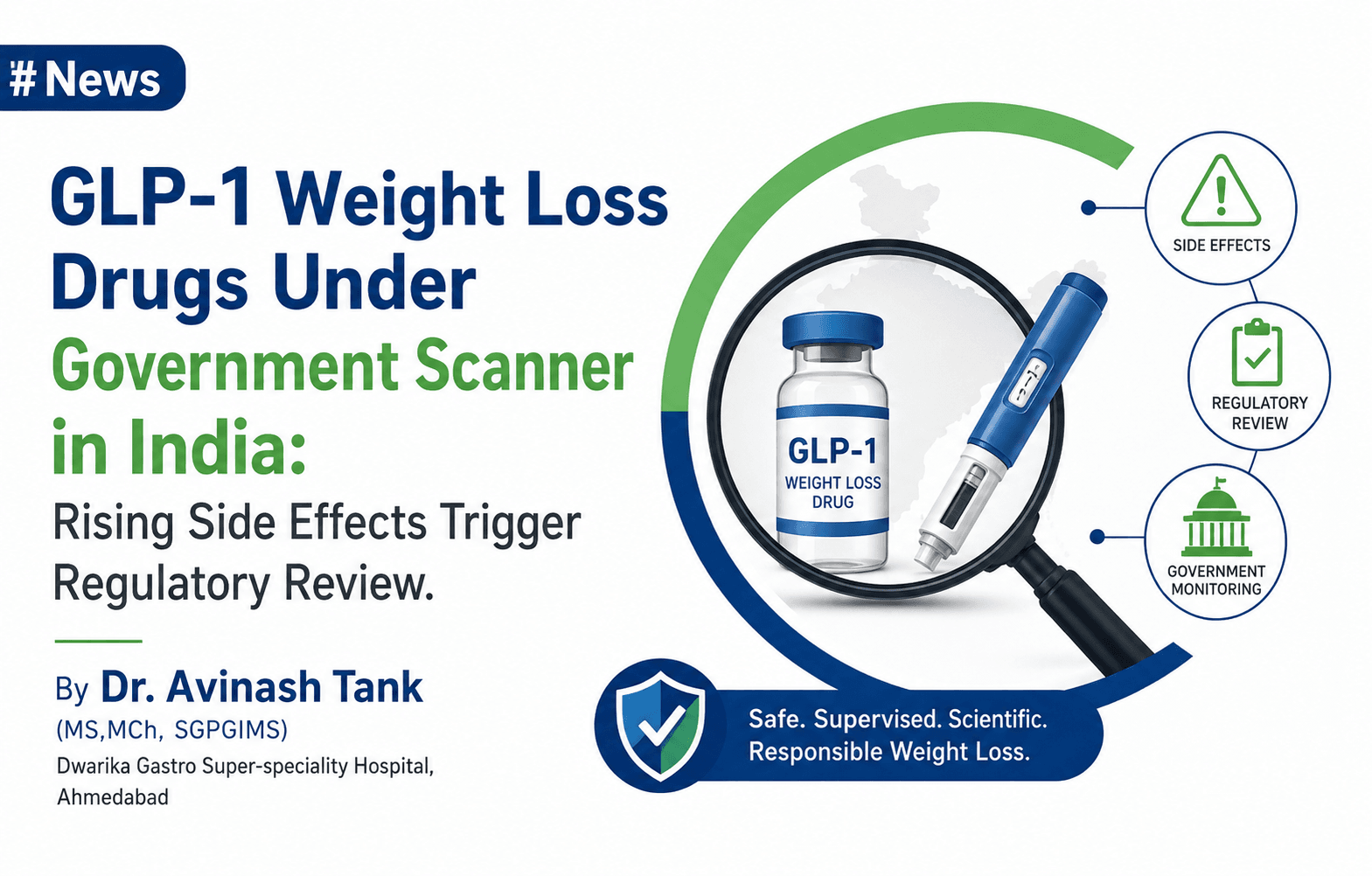
GLP-1 Weight Loss Drugs Under Government Scanner in India: Rising Side Effects Trigger Regulatory Review.
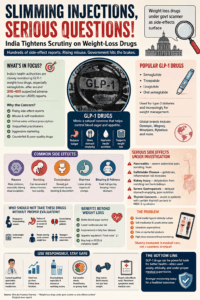
India’s rapidly growing use of GLP-1 weight-loss medications has now drawn the attention of health regulators after hundreds of suspected adverse drug reaction (ADR) reports linked to semaglutide and similar drugs surfaced across the country.
Authorities are reportedly evaluating side-effect patterns, prescription practices, and the increasing misuse of these powerful obesity medications.
The issue has become particularly important because GLP-1 receptor agonists are no longer being used only for diabetes treatment.
They are now increasingly prescribed for obesity management, metabolic syndrome, and rapid weight reduction. Their popularity has surged globally after celebrities, influencers, and social media users highlighted dramatic weight-loss results.
However, medical experts warn that these medications are not simple cosmetic slimming injections. They are potent metabolic drugs that require proper medical supervision, careful dose adjustment, and regular monitoring.
Why GLP-1 Drugs Are Becoming Popular
GLP-1 receptor agonists mimic a natural hormone in the body called glucagon-like peptide-1. These medications help regulate appetite, insulin secretion, and blood sugar control.
Their major benefits include:
- Reduced hunger
- Early satiety
- Slower stomach emptying
- Better blood sugar control
- Significant weight loss
Globally known drugs in this category include:
- Semaglutide
- Tirzepatide
- Liraglutide
- Oral semaglutide tablets
These medications gained massive attention after studies demonstrated substantial weight reduction in overweight and obese patients, especially those with diabetes and insulin resistance.
For many individuals struggling with obesity, GLP-1 drugs have become an important treatment option when diet and exercise alone fail to produce sufficient results.
Government Review Intensifies
According to reports, Indian health authorities have documented nearly 300–400 suspected adverse reaction cases potentially linked to semaglutide-containing medications since their introduction in India.
The Indian Pharmacopoeia Commission (IPC), which monitors drug safety and pharmacovigilance, is reportedly reviewing these cases through state-level monitoring centres. Officials are evaluating whether a direct relationship exists between the medication and the reported adverse events.
The review may eventually lead to:
- Stronger warning labels
- Tighter prescription controls
- Enhanced monitoring guidelines
- Better reporting systems
- Restrictions on unsupervised access
Authorities are also concerned about the increasing availability of these medications through online channels and wellness clinics without proper medical evaluation.
Commonly Reported Side Effects
Most side effects linked to GLP-1 medications involve the gastrointestinal system because these drugs slow stomach emptying and alter appetite regulation.
1. Nausea
Nausea is one of the most frequently reported symptoms, especially during the early weeks of treatment or after increasing the dose.
Many patients experience:
- Morning nausea
- Food aversion
- Reduced appetite
- Feeling full after small meals
2. Vomiting
Some individuals develop persistent vomiting, particularly if:
- The dose is increased too rapidly
- Heavy meals are consumed
- The body does not tolerate the medication well
Severe vomiting can lead to dehydration and weakness.
3. Constipation
Reduced gut movement may cause:
- Hard stools
- Difficulty passing stool
- Abdominal bloating
- Discomfort
Constipation has emerged as a common complaint among long-term users.
4. Diarrhea
While some patients develop constipation, others may experience:
- Loose stools
- Frequent bowel movements
- Abdominal cramps
5. Bloating and Gastric Fullness
Because GLP-1 drugs delay gastric emptying, patients often report:
- Burping
- Heavy stomach sensation
- Fullness after eating very little
- Gastric discomfort
Serious Adverse Events Under Evaluation
Though less common, some severe complications are also being investigated.
Pancreatitis
Inflammation of the pancreas remains one of the major concerns. Symptoms include:
- Severe upper abdominal pain
- Persistent vomiting
- Fever
Patients with a previous history of pancreatitis require careful evaluation before starting therapy.
Gallbladder Disease
Rapid weight loss itself increases the risk of gallstone formation. Some patients on GLP-1 therapy may develop:
- Gallstones
- Gallbladder inflammation
- Biliary pain
Kidney Injury
Dehydration caused by severe vomiting or diarrhea may affect kidney function, especially in:
- Elderly patients
- Diabetics
- Individuals with chronic kidney disease
Severe Delayed Gastric Emptying
In rare situations, stomach emptying becomes excessively slow, leading to:
- Persistent nausea
- Inability to tolerate food
- Nutritional deficiencies
- Repeated vomiting
Concern Over Misuse and Self-Medication
One of the biggest concerns among regulators and obesity specialists is the growing misuse of these medications.
Doctors report that some people are:
- Purchasing injections online
- Taking drugs without prescription
- Using higher doses for rapid weight loss
- Sharing medications with friends
- Seeking cosmetic rather than medical weight reduction
Social media trends and celebrity-driven weight-loss culture have significantly increased public demand for these medications.
Unfortunately, this has also encouraged:
- Counterfeit products
- Unsafe online sales
- Unqualified providers
- Inadequate patient monitoring
Medical experts stress that obesity treatment should not be reduced to a “quick-fix injection.”
Who Should Be Careful Before Using GLP-1 Drugs?
Not every overweight person is an ideal candidate for these medications.
Extra caution is required in:
- Pregnant women
- Breastfeeding mothers
- Patients with severe gastrointestinal disease
- Individuals with pancreatitis history
- Severe kidney disease patients
- Underweight individuals
- Teenagers without specialist supervision
Proper medical assessment is essential before starting treatment.
Obesity Is a Chronic Disease — Not a Cosmetic Issue
Experts emphasise that obesity is a serious metabolic disease associated with:
- Diabetes
- Fatty liver disease
- High blood pressure
- Heart disease
- Sleep apnea
- Joint problems
- Hormonal disorders
Therefore, treatment must involve long-term planning rather than short-term cosmetic goals.
GLP-1 medications work best when combined with:
- Dietary changes
- Physical activity
- Behavioural modification
- Sleep improvement
- Stress management
Patients who discontinue the medication without maintaining healthy lifestyle habits may regain lost weight.
Need for Responsible Prescribing
The current review highlights the importance of responsible obesity care in India.
Doctors prescribing these medications are increasingly encouraged to:
- Document BMI and obesity-related conditions
- Explain risks and benefits clearly
- Monitor side effects regularly
- Follow gradual dose escalation
- Educate patients about realistic expectations
Careful follow-up can reduce complications and improve treatment success.
The Future of Obesity Treatment in India
Despite the concerns, experts believe GLP-1 medications remain an important breakthrough in obesity and diabetes management.
For many patients struggling with severe obesity and metabolic disease, these medications may:
- Improve overall health
- Reduce diabetes risk
- Support long-term weight control
- Improve quality of life
However, their growing popularity also demands stronger regulation, better patient education, and ethical medical practices.
The ongoing government review is not necessarily a sign that these medicines are unsafe. Instead, it reflects the need to ensure that they are prescribed responsibly and used under proper medical supervision.
As India continues to face rising obesity and diabetes rates, the challenge will be balancing access to effective therapies with patient safety and scientific accountability.
Struggling With Weight Gain, Obesity, Fatty Liver or Diabetes?
At Dwarika Gastro Super-speciality Hospital, we provide scientific, evidence-based weight loss treatment tailored to your body, metabolism, and medical condition.
Our Comprehensive Obesity & Metabolic Care Includes:
- Detailed obesity evaluation
- BMI & body composition assessment
- Medical weight-loss treatment
- GLP-1 therapy guidance
- Fatty liver & diabetes management
- Bariatric surgery consultation
- Diet & lifestyle counselling
- Long-term weight maintenance planning
Supervised By:
Dr. Avinash Tank (MS, MCh)
Obesity, Bariatric & Gastro Surgeon
Ahmedabad
Don’t Chase Viral Weight-Loss Trends.
Choose Safe, Scientific & Medically Supervised Obesity Care.
Book your consultation today and begin your journey toward healthier, sustainable weight loss.
Suggested SEO Keywords
GLP-1 drugs India, semaglutide side effects, weight loss injection risks, obesity medicines India, Ozempic side effects, Wegovy India, semaglutide safety, weight loss drug government review, GLP-1 adverse reactions, obesity treatment India