

Reading Time: 3 minutes
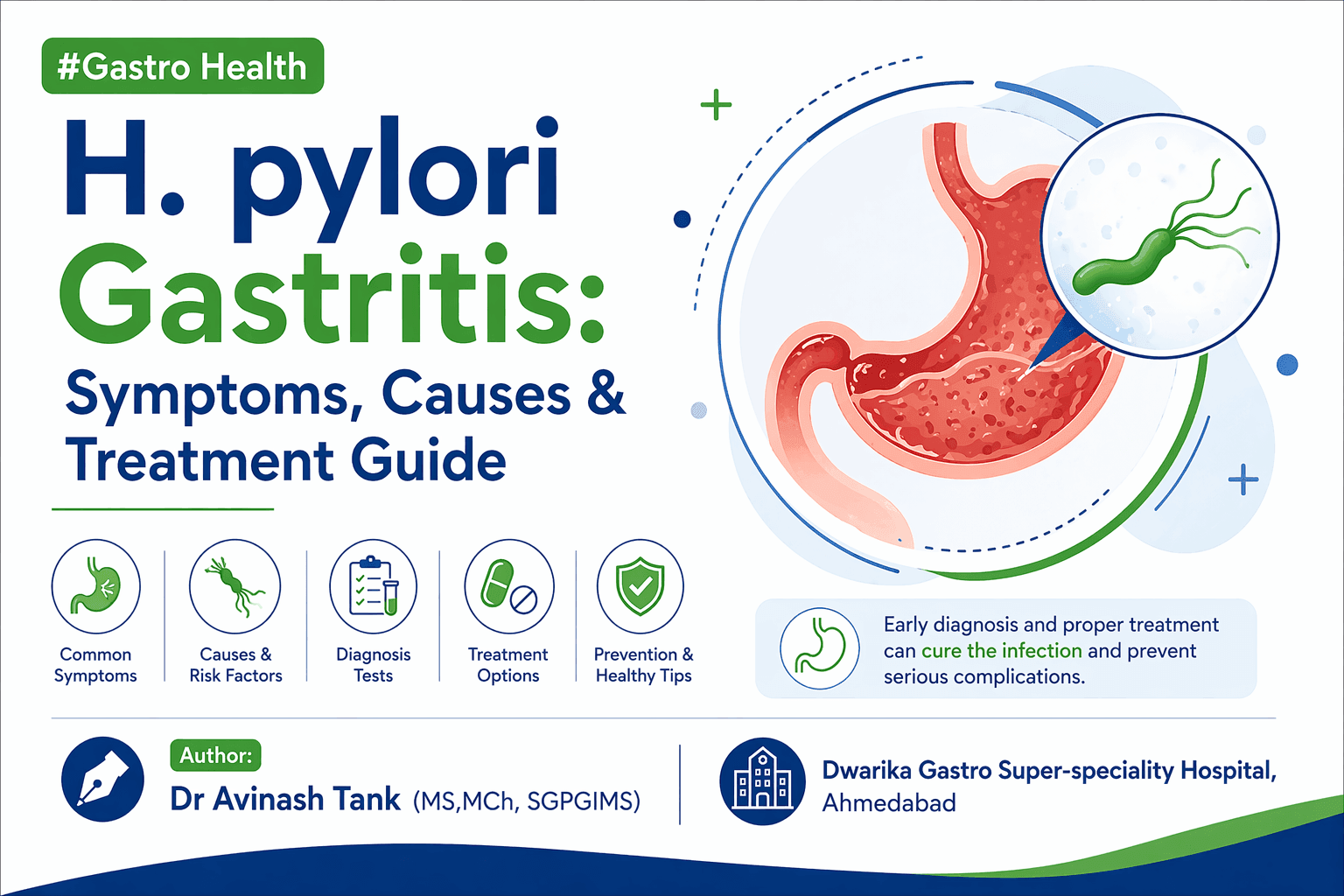
H. pylori Gastritis: Symptoms, Causes & Treatment Guide
Introduction
H. pylori gastritis is one of the most common gastrointestinal conditions worldwide and a leading cause of chronic stomach problems.
It is caused by infection with the bacterium Helicobacter pylori, which lives in the lining of the stomach and can lead to inflammation, ulcers, and even cancer if left untreated.
Many people carry this infection silently, but in some individuals, it leads to significant symptoms and complications. Understanding this condition is essential for early diagnosis and effective treatment.
What is H. pylori Gastritis?
H. pylori gastritis refers to inflammation of the stomach lining caused by H. pylori infection.
This bacterium is unique because it can survive in the acidic environment of the stomach by producing enzymes that neutralize acid, allowing it to damage the protective mucosal layer.
How Does H. pylori Infection Spread?
H. pylori infection is very common, especially in developing countries like India.
Modes of Transmission:
- Contaminated food and water
- Poor hygiene practices
- Person-to-person contact (saliva, utensils)
- Unclean living conditions
Risk Factors
You are at higher risk if you have:
- Poor sanitation
- Crowded living conditions
- Unsafe drinking water
- Family history of infection
- Long-term use of painkillers (NSAIDs)
Symptoms of H. pylori Gastritis
Many patients remain asymptomatic, but others may experience:
Common Symptoms:
- Burning or gnawing stomach pain
- Bloating
- Nausea or vomiting
- Loss of appetite
- Frequent burping
Warning Symptoms (Red Flags):
- Unexplained weight loss
- Blood in vomit
- Black stools
- Severe abdominal pain
- Persistent vomiting
Complications of Untreated H. pylori
If left untreated, H. pylori gastritis can lead to serious conditions:
1. Peptic Ulcer Disease
Infection damages the stomach lining, leading to ulcers.
2. Gastric Cancer
Chronic infection is a major risk factor for gastric cancer.
3. MALT Lymphoma
A rare type of cancer affecting stomach lymphoid tissue.
4. Chronic Gastritis
Long-standing inflammation causing digestive problems.
How is H. pylori Diagnosed?
Accurate diagnosis is essential for proper treatment.
1. Non-Invasive Tests:
- Urea breath test
- Stool antigen test
- Blood antibody test
2. Endoscopy-Based Tests:
- Upper GI endoscopy
- Biopsy for H. pylori detection
Endoscopy is especially important in patients with red flag symptoms.
Treatment of H. pylori Gastritis
Treatment aims to eradicate the bacteria and heal the stomach lining.
Standard Treatment (Triple Therapy):
- Proton pump inhibitor (PPI)
- Two antibiotics
Common medications include:
- Omeprazole
- Amoxicillin
- Clarithromycin
Duration:
- Usually 10–14 days
Alternative Regimens:
- Quadruple therapy (in resistant cases)
- Sequential therapy
Diet & Lifestyle Tips
Foods to Include:
- Fresh fruits and vegetables
- Probiotic-rich foods (curd, yogurt)
- High-fiber diet
Foods to Avoid:
- Spicy foods
- Alcohol
- Smoking
- Excess tea/coffee
Prevention Strategies
- Wash hands regularly
- Drink clean, filtered water
- Avoid sharing utensils
- Maintain food hygiene
- Treat infected family members if needed
When to Consult a Doctor
Seek medical advice if you experience:
- Persistent stomach pain
- Recurrent acidity
- Unexplained weight loss
- Vomiting or black stools
Early treatment prevents complications like ulcers and cancer.
Prognosis
With proper treatment, H. pylori infection is completely curable in most patients. However, reinfection can occur if hygiene is not maintained.
Conclusion
H. pylori Gastritis: Symptoms, Causes & Treatment Guide. H. pylori gastritis is a common yet potentially serious condition. While many people remain symptom-free, others may develop significant digestive problems and complications.
Timely diagnosis and appropriate antibiotic therapy can effectively cure the infection and prevent long-term damage. If you have persistent gastric symptoms, do not ignore them—early evaluation can make a crucial difference.
Call to Action
If you are experiencing symptoms of gastritis or unexplained weight loss, consult a gastro specialist for proper evaluation and treatment.
Book your appointment with Dr. Avinash Tank now at Dwarika Gastro Super-speciality Hospital, Ahmedabad.
📞 Call or WhatsApp: +91 88 66 02 05 05