

Reading Time: 8 minutes
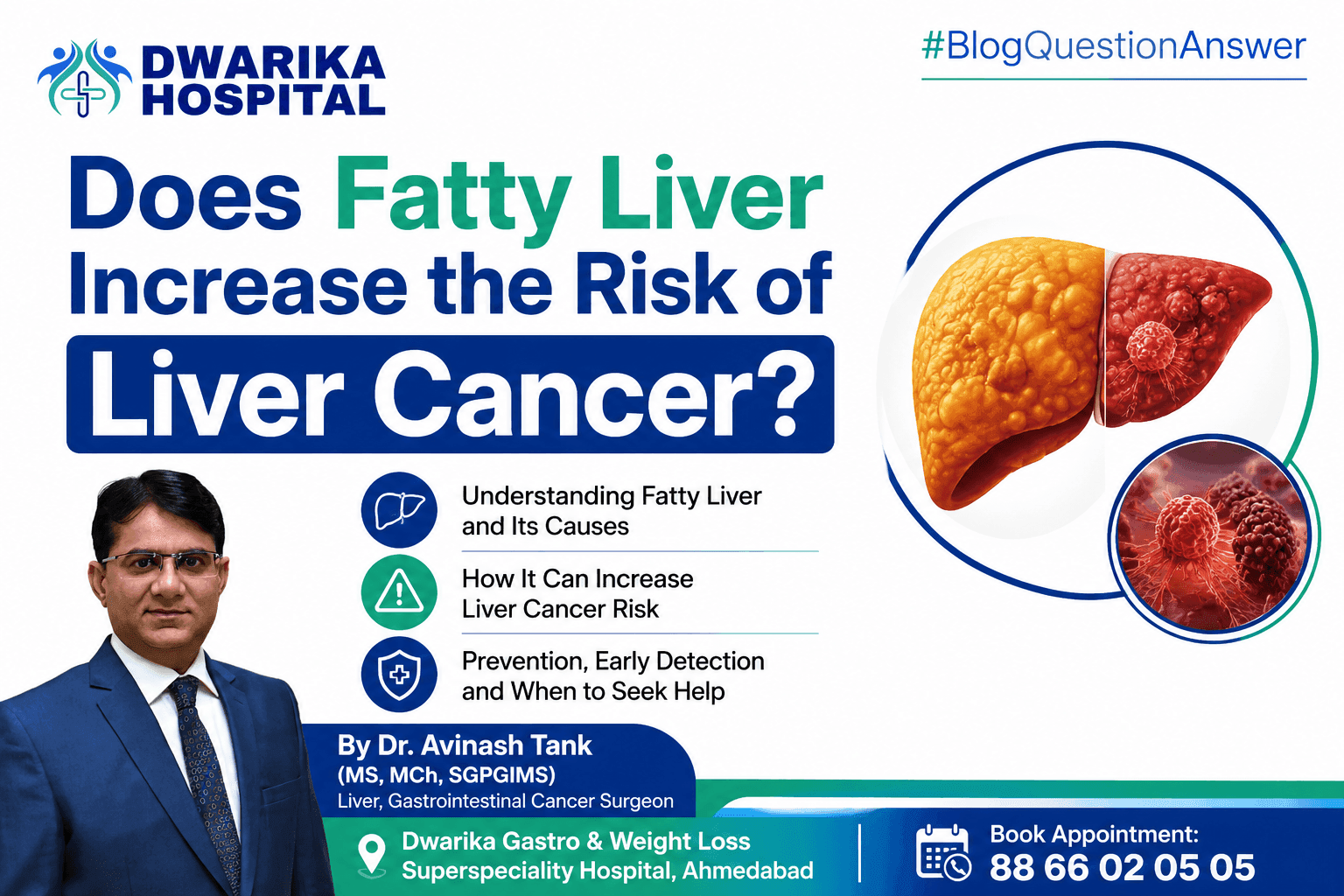
Does Fatty Liver Increase the Risk of Liver Cancer?
FEATURED SNIPPET ANSWER
Yes, fatty liver disease can increase the risk of liver cancer, particularly when it progresses to fibrosis or cirrhosis. While most people with mild fatty liver do not develop cancer, the risk is higher in those with obesity, diabetes, or long-term liver damage. Early treatment and lifestyle changes can help reduce this risk.
WHY PATIENTS ASK THIS QUESTION
Many patients become worried after an ultrasound report mentions “fatty liver.” A common fear is:
“Does this mean I am going to get liver cancer?”
This concern is understandable because awareness about liver cancer has increased significantly in recent years.
Patients often have several questions:
- Is fatty liver a serious disease?
- Can fatty liver become cirrhosis?
- Does every fatty liver patient develop cancer?
- Can fatty liver be reversed?
- How can I protect myself from liver cancer?
Unfortunately, there are also many misconceptions. Some people believe fatty liver is harmless, while others assume it inevitably leads to cancer. The truth lies somewhere in between.
Understanding the relationship between fatty liver disease and liver cancer can help patients take timely action and reduce long-term health risks.
THE SHORT ANSWER
Does Fatty Liver Increase the Risk of Liver Cancer?
Yes.
Scientific evidence shows that fatty liver disease can increase the risk of developing liver cancer.
However, the risk varies considerably among individuals.
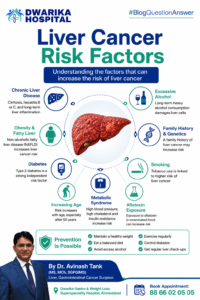
People with the following conditions have a higher risk:
- Advanced liver fibrosis
- Cirrhosis
- Type 2 diabetes
- Obesity
- Metabolic syndrome
- Long-standing fatty liver disease
- Older age
Most people with mild fatty liver will never develop liver cancer.
The goal is to identify high-risk patients early and prevent disease progression before irreversible liver damage occurs.
UNDERSTANDING THE BACKGROUND
What Is Fatty Liver Disease?
Fatty liver disease occurs when excess fat accumulates inside liver cells.
Normally, the liver contains very little fat. When fat begins to accumulate excessively, it can lead to inflammation and liver injury.
Today, fatty liver disease is commonly classified as:
MASLD
(Metabolic Dysfunction-Associated Steatotic Liver Disease — learn more: internal link to MASLD overview)
Associated with:
- Obesity
- Diabetes
- High cholesterol
- Insulin resistance
- Metabolic syndrome
Alcohol-Related Fatty Liver Disease
Associated with excessive alcohol consumption.
What Is Liver Cancer?
Liver cancer occurs when abnormal liver cells grow uncontrollably.
The most common primary liver cancer is:
Hepatocellular Carcinoma (HCC)
Approximately 80–90% of primary liver cancers belong to this category.
Historically, liver cancer was mainly associated with:
- Hepatitis B
- Hepatitis C
- Cirrhosis
However, fatty liver disease is now emerging as a major contributor worldwide.
Why Does Fatty Liver Matter?
Fat accumulation can trigger:
- Chronic inflammation
- Cellular injury
- Fibrosis (scarring)
- Cirrhosis
- Liver cancer
This progression often occurs silently over many years.
Many patients feel completely healthy while significant liver damage develops.
DETAILED ANSWER
How Does Fatty Liver Increase Liver Cancer Risk?
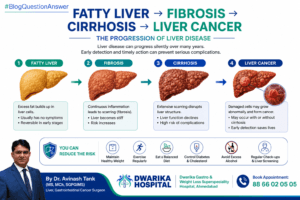
The relationship is not immediate.
Cancer usually develops through a stepwise process.
Disease Progression Pathway
Healthy Liver
↓
Fatty Liver
↓
Inflammation (Steatohepatitis)
↓
Fibrosis
↓
Cirrhosis
↓
Liver Cancer
Each stage increases the likelihood of malignant transformation.
What Happens Inside the Liver?
Persistent fat accumulation causes:
Oxidative Stress
Excess fat generates harmful molecules that damage liver cells.
Chronic Inflammation
Inflammatory chemicals continuously injure liver tissue.
DNA Damage
Repeated injury can alter cellular DNA and increase cancer risk.
Abnormal Cell Growth
Damaged cells may eventually become cancerous.
Can Liver Cancer Occur Without Cirrhosis?
Yes.
This is one of the most important discoveries in recent years.
Unlike many traditional causes of liver cancer, fatty liver-related liver cancer can occasionally develop even without established cirrhosis.
Although the risk is much higher in cirrhotic patients, non-cirrhotic patients with MASLD may still develop hepatocellular carcinoma.
This is why appropriate monitoring is important in selected high-risk individuals.
Who Is at Highest Risk?
Risk Factor Table
| Risk Factor | Impact on Cancer Risk |
| Cirrhosis | Very High |
| Advanced Fibrosis | High |
| Type 2 Diabetes | High |
| Severe Obesity | High |
| Metabolic Syndrome | Moderate to High |
| Older Age | Moderate |
| Smoking | Moderate |
| Family History of Liver Cancer | Moderate |
| Chronic Hepatitis B | High |
| Chronic Hepatitis C | High |
Signs That Fatty Liver May Be Progressing
Most fatty liver patients have no symptoms.
However, progression may be suggested by:
- Persistent fatigue
- Unexplained weight loss
- Loss of appetite
- Right upper abdominal discomfort
- Enlarged liver
- Abnormal liver tests
Advanced disease may cause:
- Jaundice
- Abdominal swelling
- Leg swelling
- Internal bleeding
- Confusion
These symptoms require prompt medical evaluation.
Does Every Fatty Liver Patient Need Cancer Screening?
No.
Routine liver cancer surveillance is usually recommended for patients with:
- Cirrhosis
- Advanced fibrosis
- Selected high-risk individuals
Typical surveillance may include:
- Liver ultrasound
- Alpha-fetoprotein (AFP) blood test
- Specialist follow-up (see: internal link to liver cancer screening guide)
Your doctor determines whether surveillance is appropriate based on individual risk factors.
Can Fatty Liver Be Reversed?
In many cases, yes.
Especially in early stages.
Effective measures include:
- Weight reduction
- Regular physical activity
- Diabetes control
- Healthy diet
- Avoiding excess alcohol
- Treating associated metabolic conditions
Early intervention may significantly reduce future liver cancer risk.
When to See a Doctor
You should seek medical advice if you experience:
- Persistent fatigue or unexplained weakness
- Unintentional weight loss or loss of appetite
- Yellowing of the skin or eyes (jaundice)
- Abdominal swelling or persistent discomfort in the upper right abdomen
- Swelling in the legs or ankles
- A known diagnosis of fatty liver along with diabetes, obesity, or metabolic syndrome
- A family history of liver disease or liver cancer
- Abnormal liver test results on routine blood work
Early evaluation can help detect complications and guide appropriate monitoring or treatment.
WHAT CURRENT EVIDENCE SHOWS
What Do Medical Guidelines Say?
Major liver societies and cancer organizations now recognize fatty liver disease as an important risk factor for liver cancer.
Research over the past decade has shown that:
- MASLD is becoming one of the leading causes of liver cancer worldwide.
- Rising obesity and diabetes rates are contributing to increased liver cancer incidence.
- Patients with advanced fibrosis and cirrhosis have the highest risk.
- Early identification of high-risk patients can improve outcomes through surveillance and timely treatment.
What Studies Have Found
Several large studies have demonstrated:
Obesity Increases Liver Cancer Risk
People with obesity have a significantly higher risk of developing hepatocellular carcinoma compared with individuals of normal weight.
Diabetes Is an Independent Risk Factor
Type 2 diabetes increases liver cancer risk even in the absence of viral hepatitis.
Fibrosis Predicts Future Cancer
The degree of liver scarring is one of the strongest predictors of future liver cancer development.
Weight Loss May Reduce Risk
Studies suggest that sustained weight reduction and metabolic control can improve liver health and may reduce long-term cancer risk.
Scientific Consensus
The current scientific consensus is:
✓ Fatty liver disease can increase liver cancer risk.
✓ Risk rises substantially when fibrosis or cirrhosis develops.
✓ Not every patient with fatty liver develops cancer.
✓ Early intervention is the most effective prevention strategy.
COMMON MYTHS AND FACTS
Myth 1
Myth:
Fatty liver is harmless.
Fact:
Although many people remain stable, fatty liver can progress to inflammation, fibrosis, cirrhosis and liver cancer in some patients.
Myth 2
Myth:
Only alcohol causes fatty liver disease.
Fact:
Most fatty liver cases today are related to obesity, diabetes and metabolic syndrome rather than alcohol.
Myth 3
Myth:
Everyone with fatty liver will develop liver cancer.
Fact:
Most patients never develop liver cancer. The highest risk occurs in patients with advanced fibrosis or cirrhosis.
Myth 4
Myth:
If liver tests are normal, fatty liver cannot be serious.
Fact:
Some patients with significant liver fibrosis may still have near-normal liver enzyme levels.
Myth 5
Myth:
Liver cancer always causes symptoms early.
Fact:
Early liver cancer often causes no symptoms at all, which is why surveillance is important in selected high-risk patients.
Myth 6
Myth:
Fatty liver cannot be reversed.
Fact:
Early-stage fatty liver frequently improves with weight loss, exercise and metabolic control.
EXPERT INSIGHT BY DR AVINASH TANK
Dr Avinash Tank’s Perspective
One of the biggest challenges in liver disease is that fatty liver often develops silently. Many patients feel completely healthy and discover the condition only during a routine health check-up or ultrasound examination.
In clinical practice, the most important issue is not merely identifying fatty liver but determining whether liver inflammation or fibrosis has already developed. Patients with obesity, diabetes, metabolic syndrome, or a family history of liver disease deserve particular attention.
Fortunately, most patients have an opportunity to reverse fatty liver before serious complications occur. Lifestyle modification, weight management and appropriate medical monitoring can significantly reduce future risks.
Patients should seek specialist evaluation if they have persistent abnormal liver tests, evidence of liver fibrosis, cirrhosis, or multiple metabolic risk factors. Early action often makes a substantial difference in long-term liver health.
KEY TAKEAWAYS
✓ Fatty liver disease can increase the risk of liver cancer.
✓ Most patients with simple fatty liver do not develop liver cancer.
✓ Advanced fibrosis and cirrhosis are major risk factors.
✓ Obesity and diabetes significantly increase risk.
✓ Liver cancer can occasionally occur even without cirrhosis.
✓ Early detection of liver disease improves outcomes.
✓ Weight loss can improve fatty liver disease.
✓ Regular exercise supports liver health.
✓ Appropriate surveillance helps detect liver cancer earlier.
✓ Discuss your individual risk with a liver specialist.
RELATED RESOURCES
Related Disease Hub
Liver Cancer Disease Hub
- Causes
- Symptoms
- Diagnosis
- Staging
- Treatment Options
Related Service Page
Liver Cancer Surgery
Learn when surgery may be appropriate and how surgical treatment is planned for selected patients.
Related Educational Articles
What Are the First Symptoms of Liver Cancer?
Understand the early warning signs that should not be ignored.
Can Liver Cancer Be Detected in a Blood Test?
Learn the role of AFP and other blood tests in liver cancer evaluation.
Can Liver Cancer Occur Without Cirrhosis?
Explore situations where liver cancer develops despite the absence of advanced scarring.
Is Liver Cancer Hereditary?
Understand the role of genetics and family history.
What Is the Survival Rate for Liver Cancer?
Learn how stage and treatment influence outcomes.
FREQUENTLY ASKED QUESTIONS
1. Does every fatty liver patient get liver cancer?
No. Most patients with fatty liver never develop liver cancer. The risk becomes significantly higher when fibrosis or cirrhosis develops.
2. Can fatty liver directly cause liver cancer?
Fatty liver usually increases cancer risk through chronic inflammation and progressive liver injury. Cancer typically develops after years of ongoing damage.
3. Is fatty liver worse if I have diabetes?
Yes. Diabetes is a major risk factor for progression of fatty liver disease and liver cancer.
4. Can liver cancer occur without cirrhosis?
Yes. Although less common, liver cancer can develop in some patients with fatty liver disease even before cirrhosis develops.
5. How can I know whether my fatty liver is serious?
Assessment may include blood tests, FibroScan, ultrasound, CT scan, MRI and specialist evaluation.
6. Can weight loss reduce liver cancer risk?
Evidence suggests that sustainable weight loss improves fatty liver disease and may lower future cancer risk.
7. How much weight should I lose?
Even a 5–10% reduction in body weight may significantly improve fatty liver disease in many patients.
8. Should all fatty liver patients undergo cancer screening?
No. Screening is generally recommended for patients with cirrhosis and selected high-risk individuals.
9. What foods should I avoid?
Excess sugar, sugary beverages, highly processed foods, trans fats and excessive alcohol should be limited.
10. Can exercise improve fatty liver?
Yes. Regular physical activity improves insulin sensitivity, reduces liver fat and supports overall liver health.
REFERENCES
Key Evidence Sources
- European Association for the Study of the Liver (EASL) Clinical Practice Guidelines.
- American Association for the Study of Liver Diseases (AASLD) Practice Guidance.
- NCCN Guidelines for Hepatobiliary Cancers.
- ASCO Clinical Practice Recommendations.
- World Health Organization (WHO) Cancer Factsheets.
Representative PubMed References
- Younossi ZM et al. Global epidemiology of NAFLD.
- Estes C et al. Modeling the epidemic of fatty liver disease.
- Anstee QM et al. Progression of NAFLD and liver cancer risk.
- Dyson J et al. Hepatocellular carcinoma in NAFLD.
- White DL et al. Obesity and liver cancer risk.
- Kanwal F et al. Surveillance and outcomes in HCC.
- Singal AG et al. Early detection of hepatocellular carcinoma.
FINAL CTA
Learn More About Liver Cancer
Explore our comprehensive Liver Cancer Knowledge Hub to understand symptoms, diagnosis, staging and treatment options.
Request Specialist Evaluation
If you have fatty liver disease, diabetes, obesity, liver fibrosis or concerns regarding liver cancer risk, seek specialist assessment for personalized guidance.
Contact
Dr Avinash Tank (MS, MCh, SGPGIMS)
Liver, Gastrointestinal & Obesity Surgeon
Dwarika Gastro & Weight Loss Superspeciality Hospital
Book Appointment:
88 66 02 05 05
For educational purposes only. Individual treatment decisions should always be based on consultation with a qualified healthcare professional.
Internal Linking Suggestions
- Digestive Cancer Knowledge Hub → This article
- Liver Cancer Disease Hub → This article
- Fatty Liver Disease Hub → This article
- Liver Cancer Surgery Service Page → This article
- “What Are the First Symptoms of Liver Cancer?” → Link here
- “Can Liver Cancer Occur Without Cirrhosis?” → Link here
- “Can Liver Cancer Be Detected in a Blood Test?” → Link here
Image Suggestions
- Fatty Liver → Fibrosis → Cirrhosis → Liver Cancer progression infographic
- Liver Cancer Risk Factors infographic
- Healthy Liver vs Fatty Liver comparison image
- Obesity–Diabetes–Fatty Liver–Cancer connection diagram
- Risk Stratification Chart for Fatty Liver Patients
- Prevention Infographic: 10 Ways to Protect Your Liver from Cancer